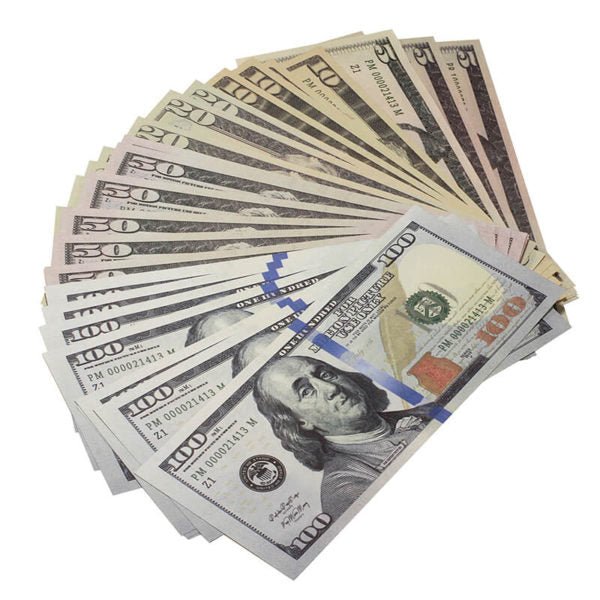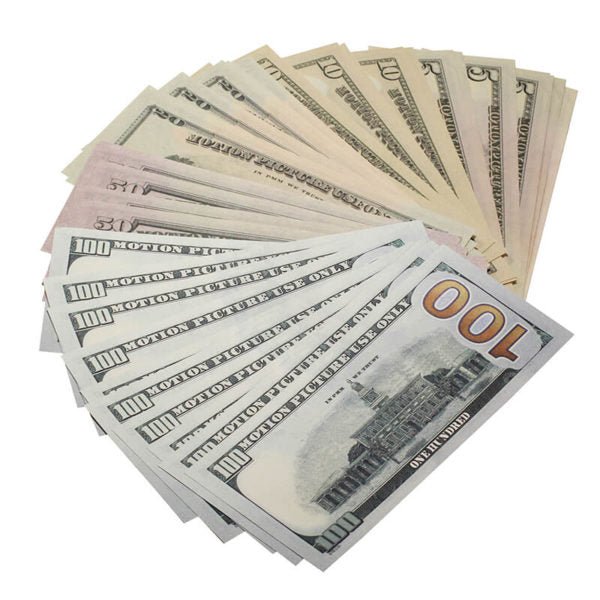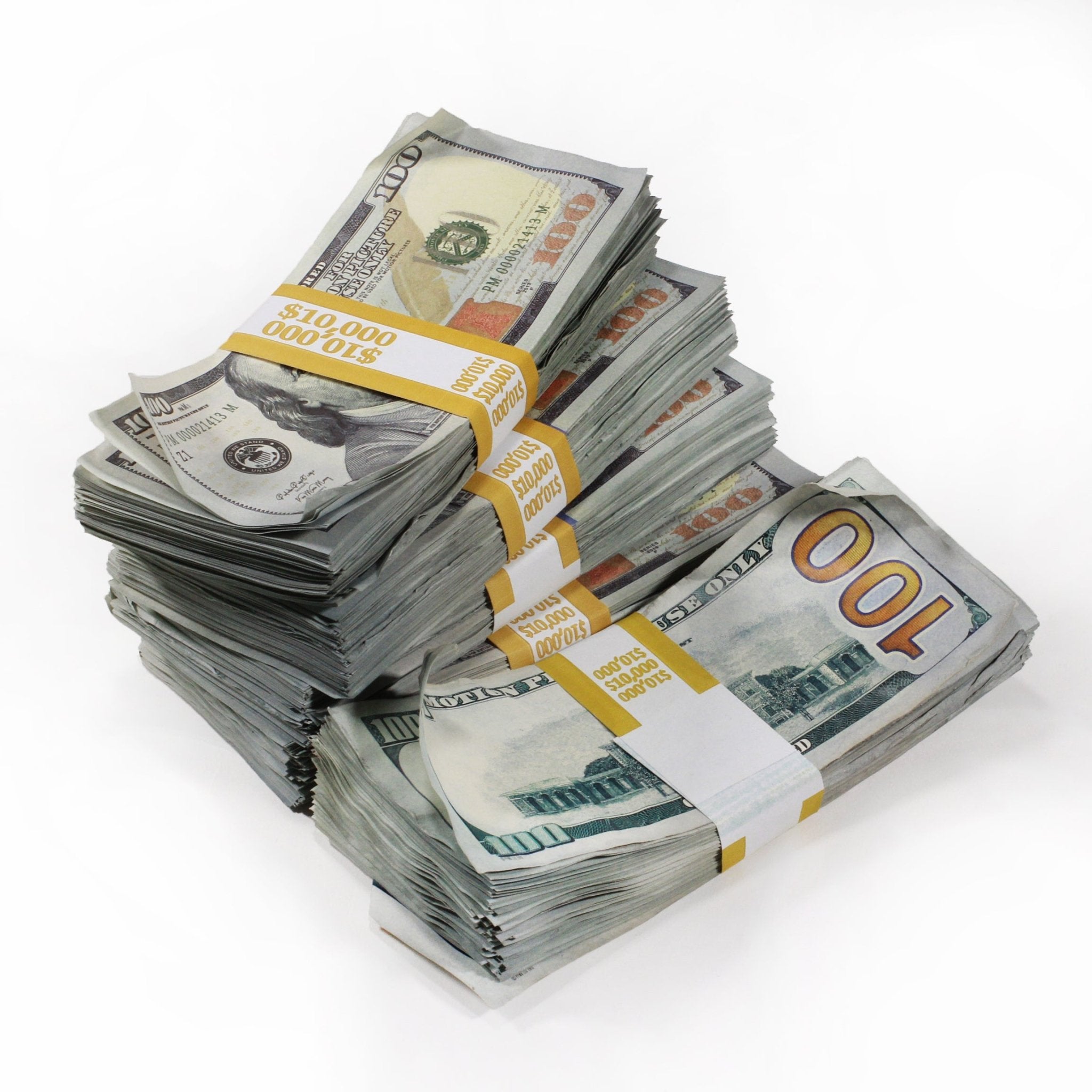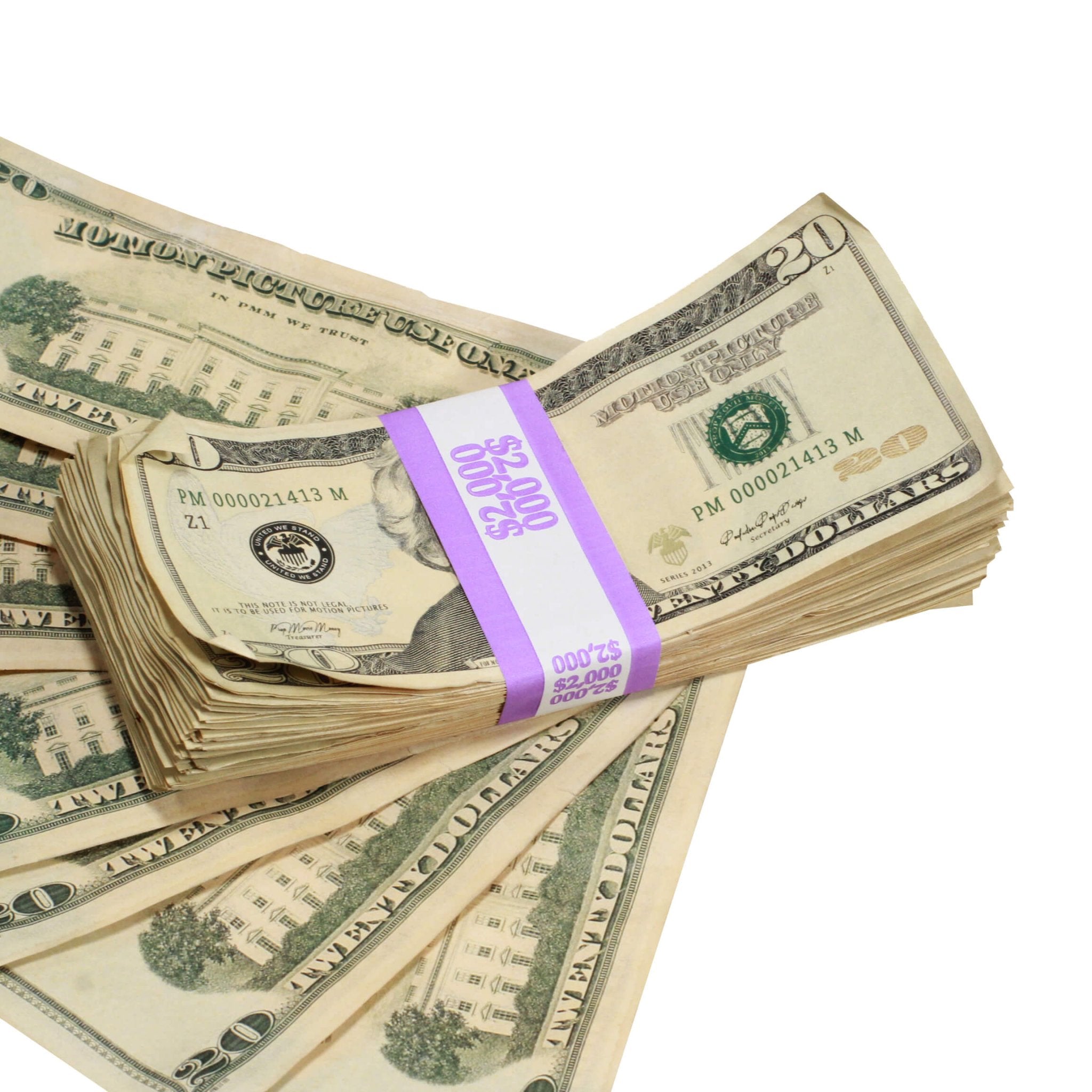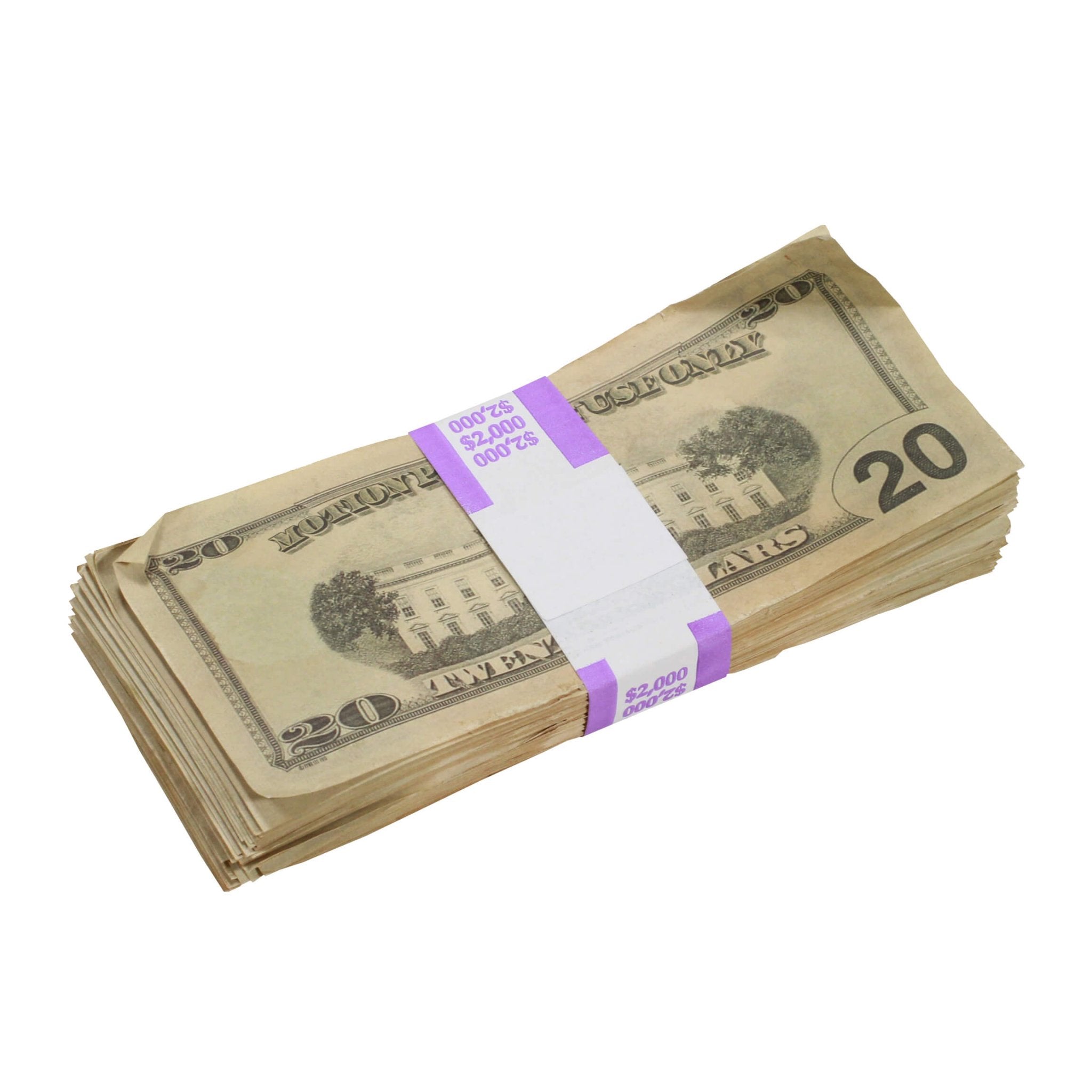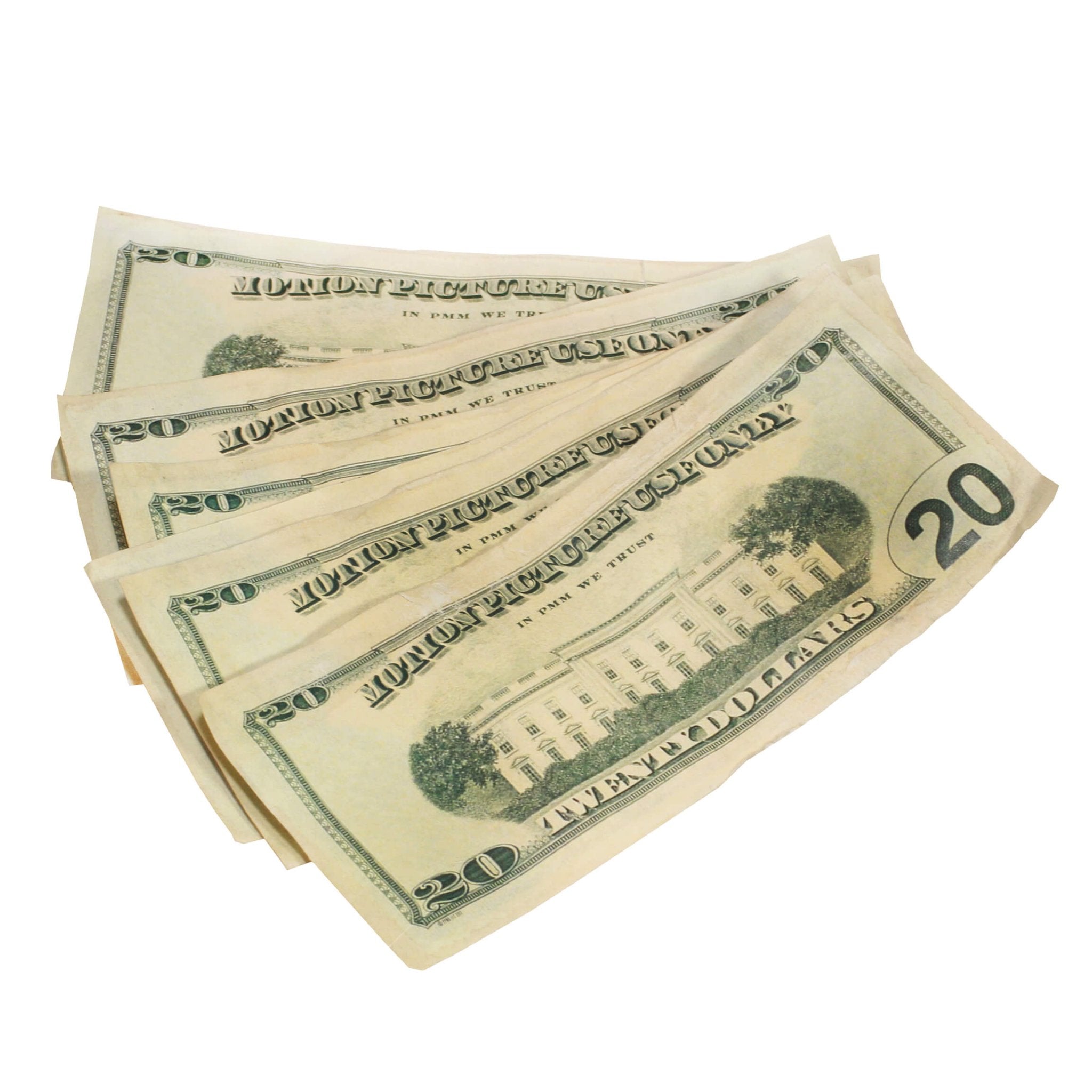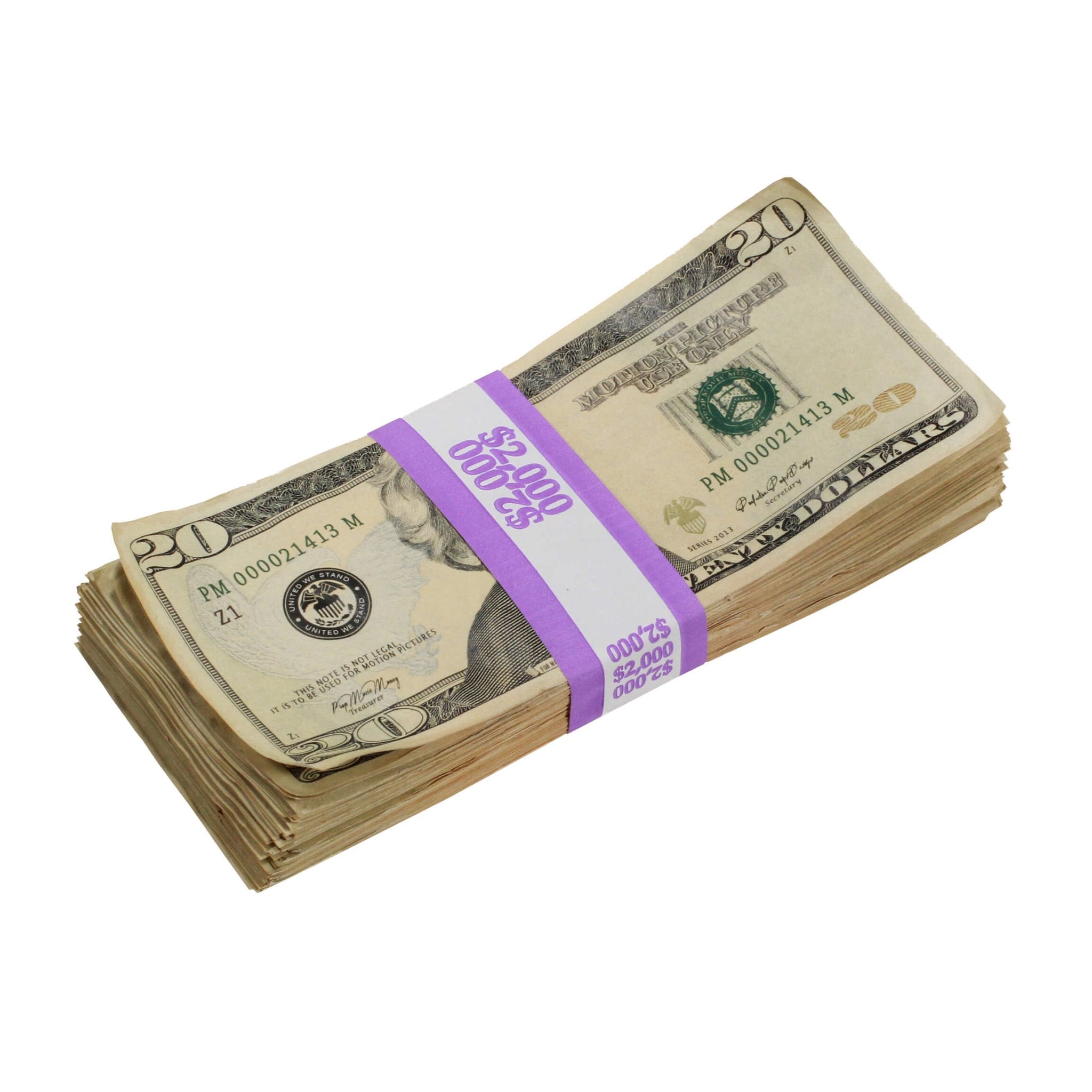

You've got the script. You've got the crew. You've got the location. But now your scene calls for a stack of cash — and someone on set just asked: Where do we get the money? Welcome to one of the most common (and surprisingly nuanced) questions in independent filmmaking. Whether you're shooting a heist thriller, a music video, or a YouTube skit, prop money is a staple of storytelling. But not all fake cash is created equal — and using the wrong kind can get your production shut down. This guide covers everything a first-time filmmaker needs to know about prop money.
What Is Prop Money?
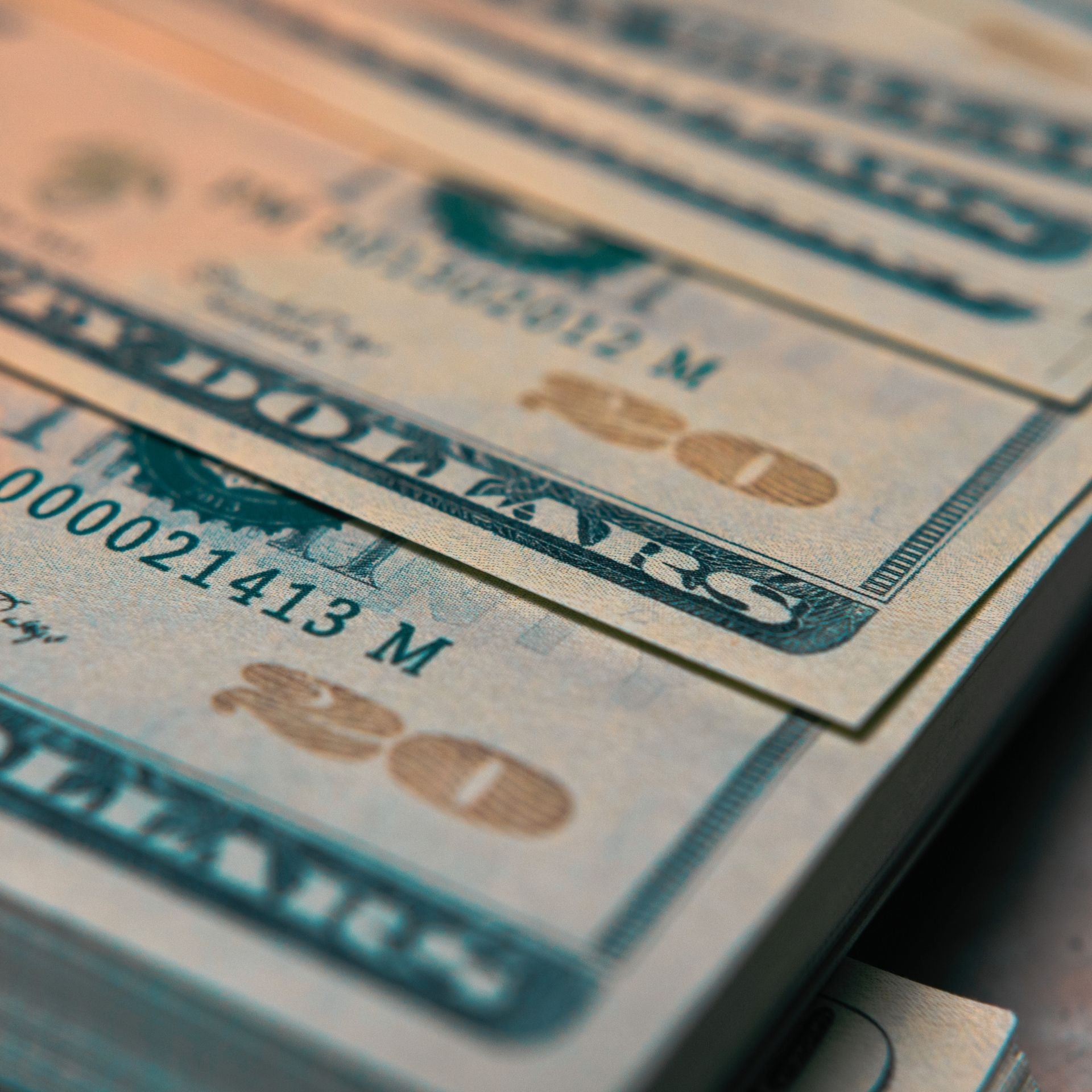
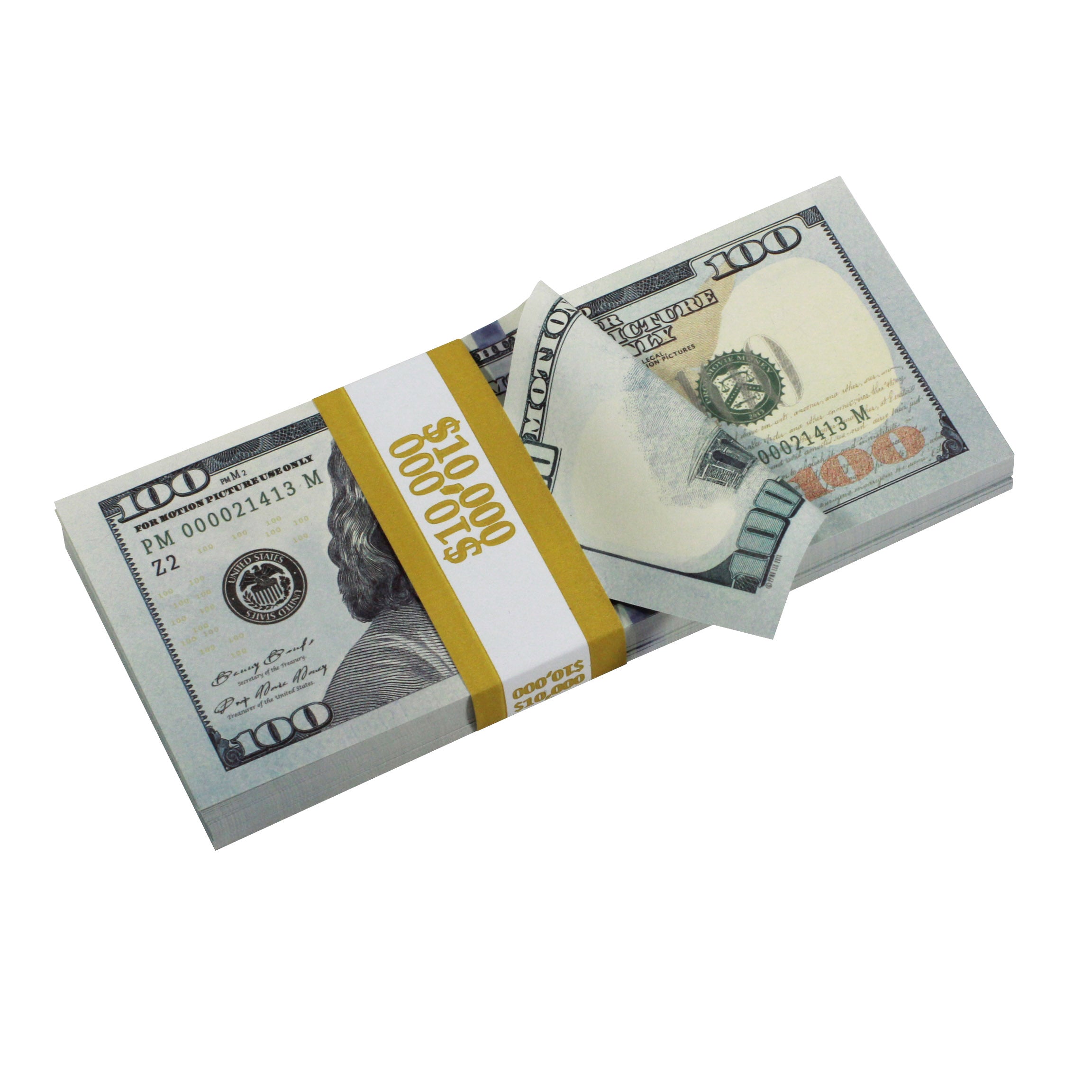
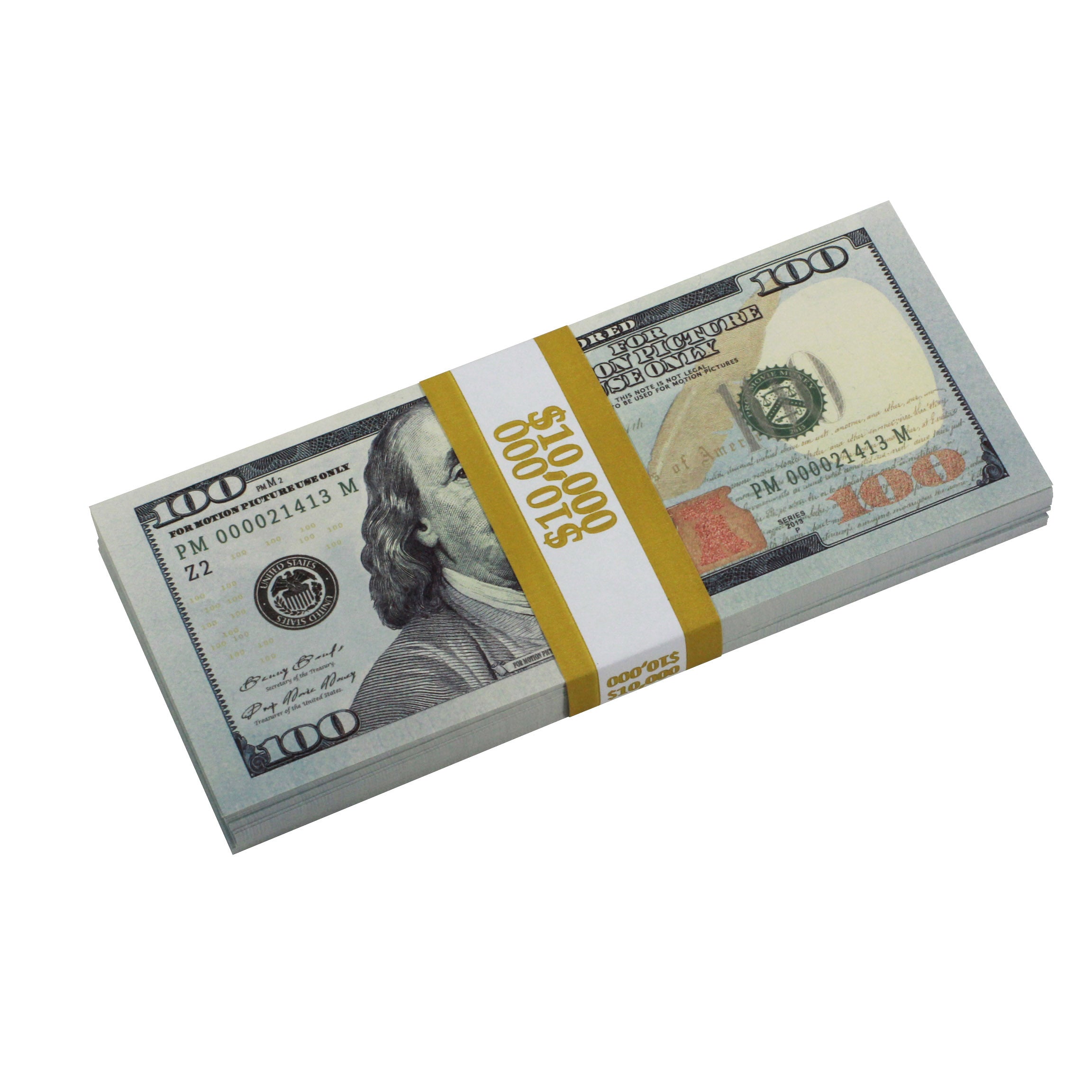
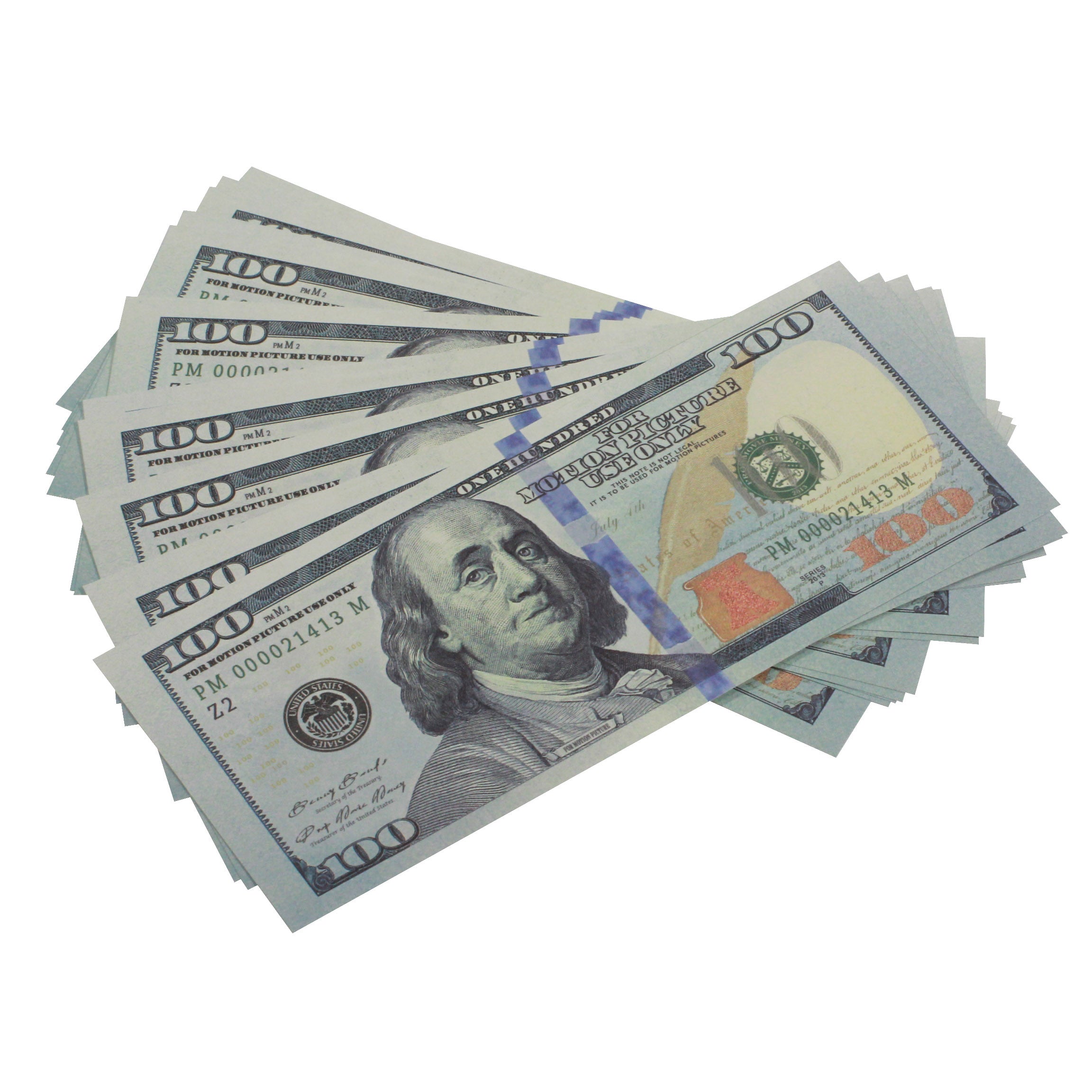
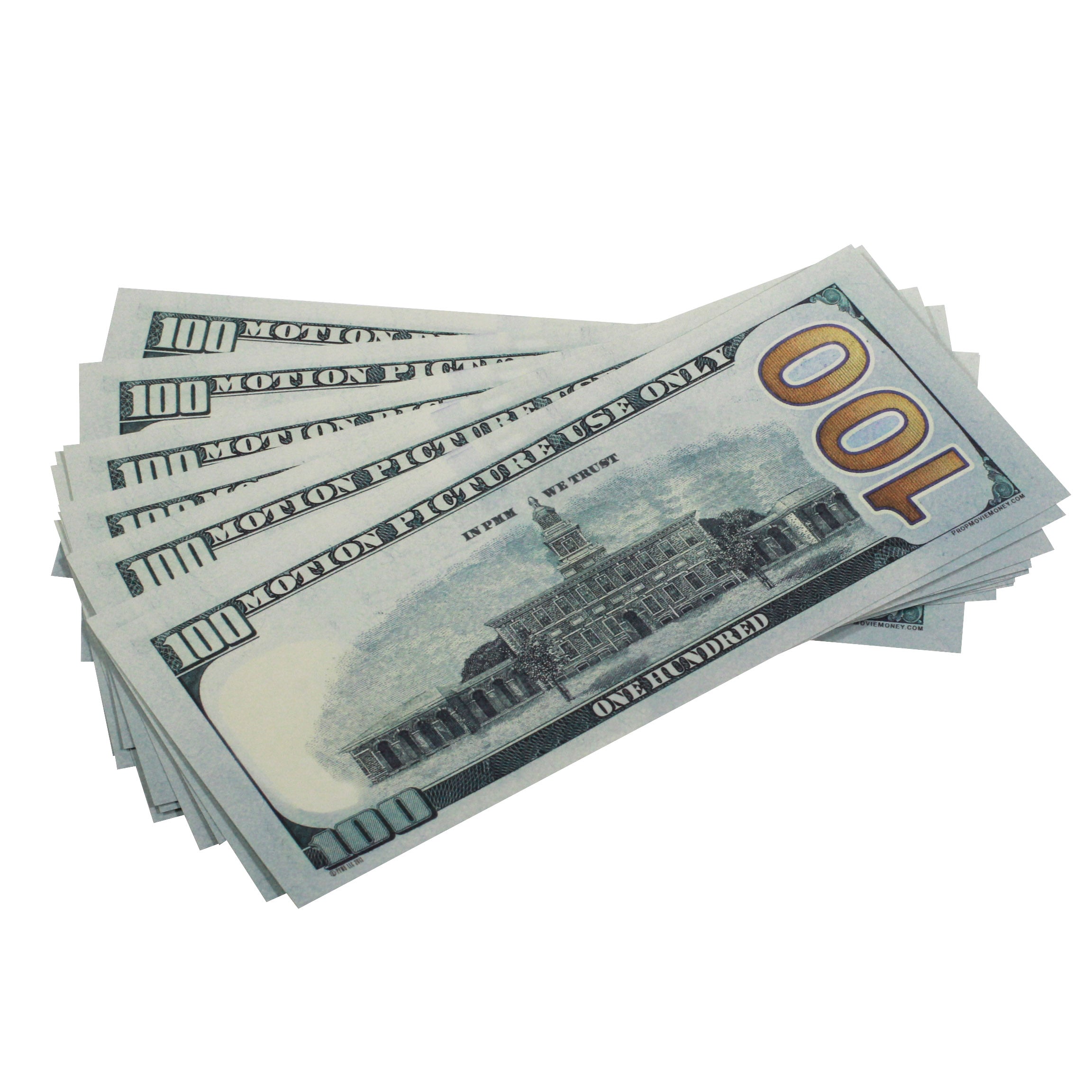
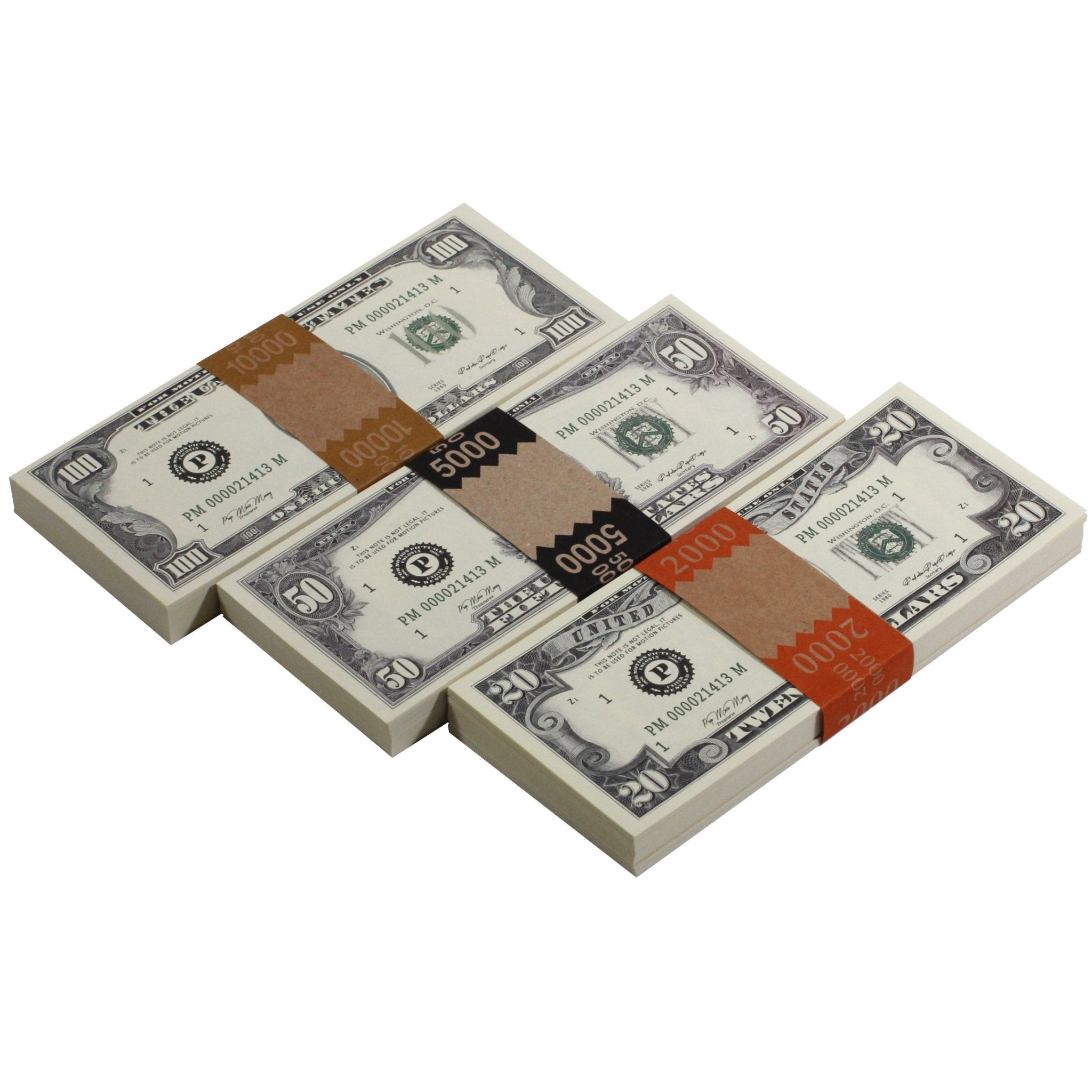
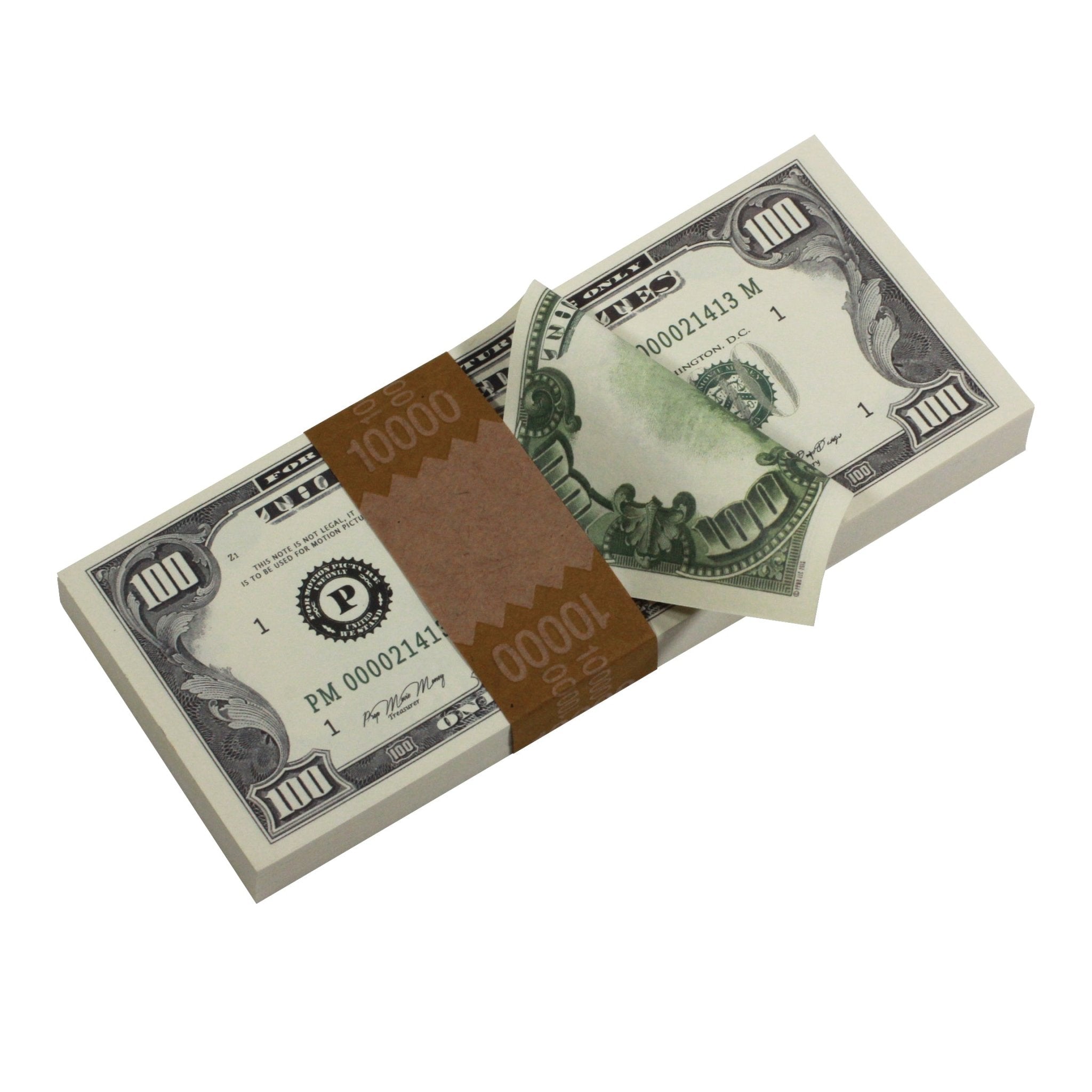
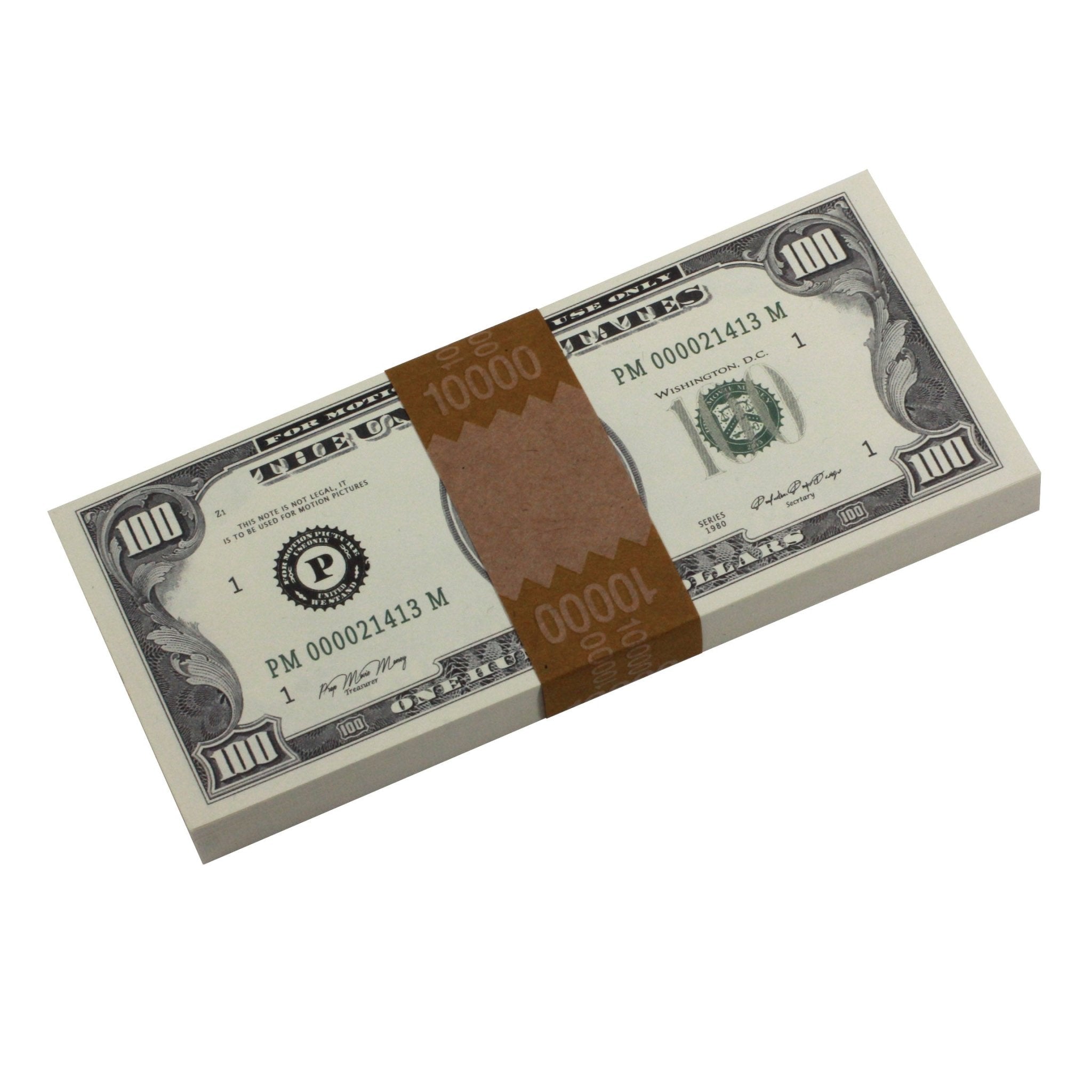
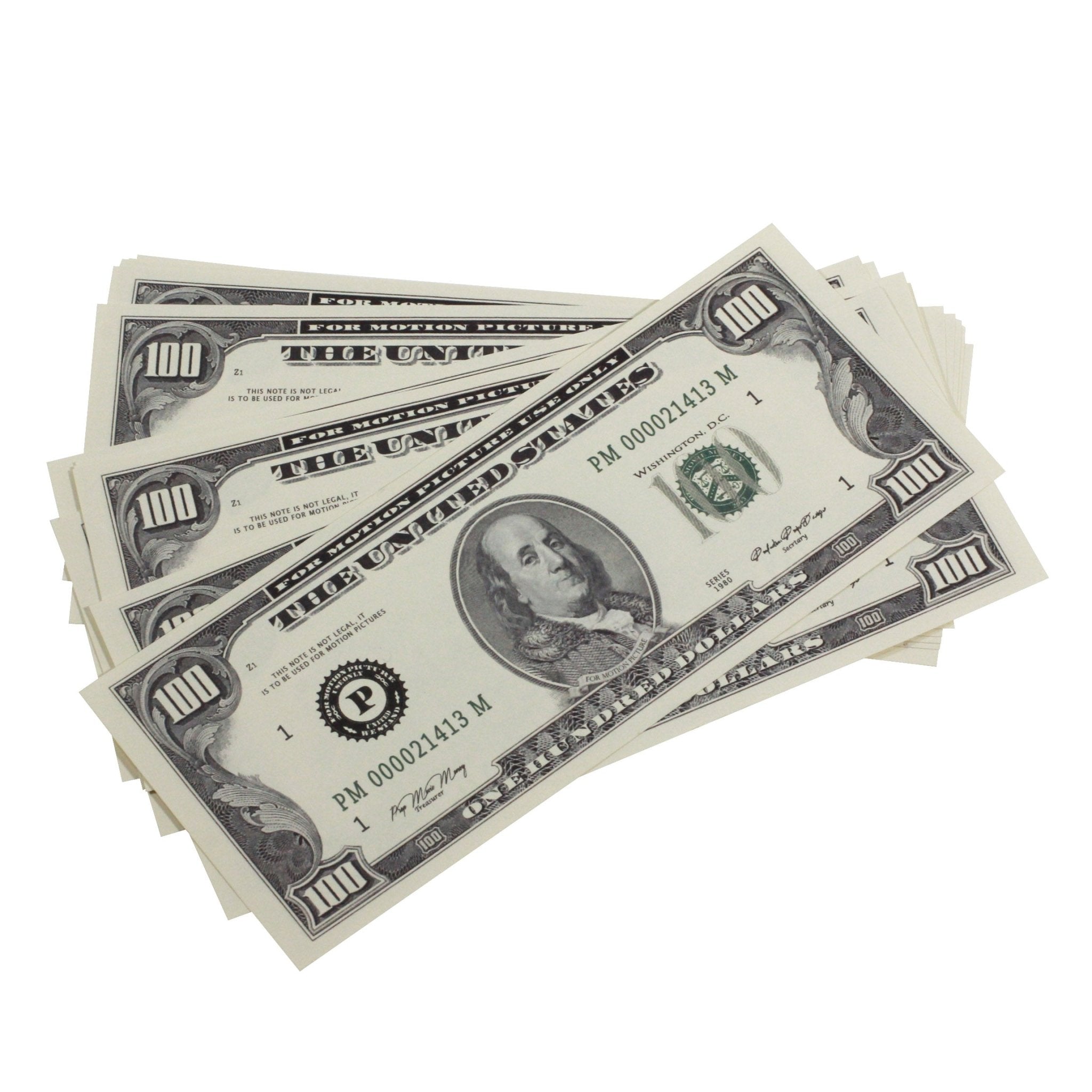
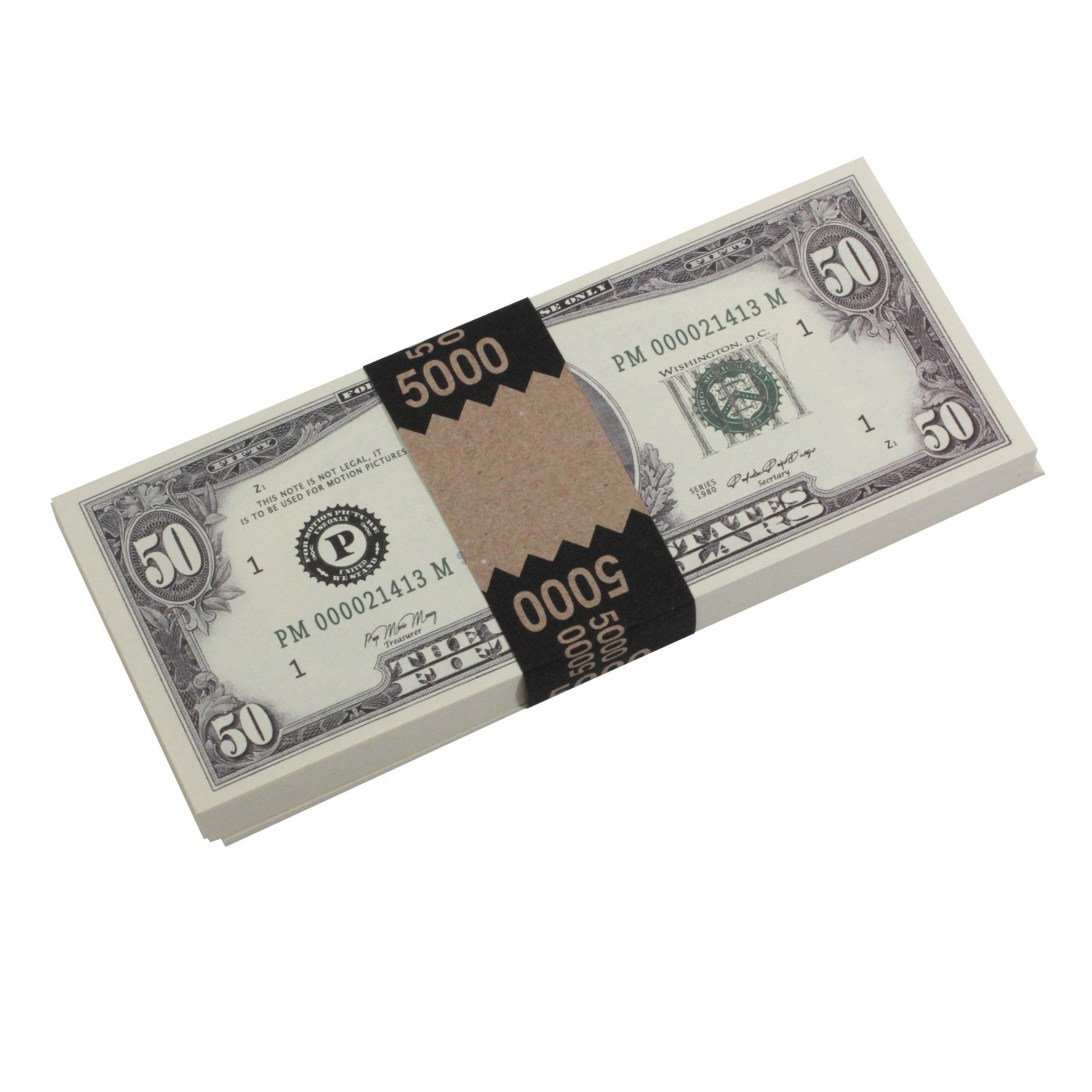
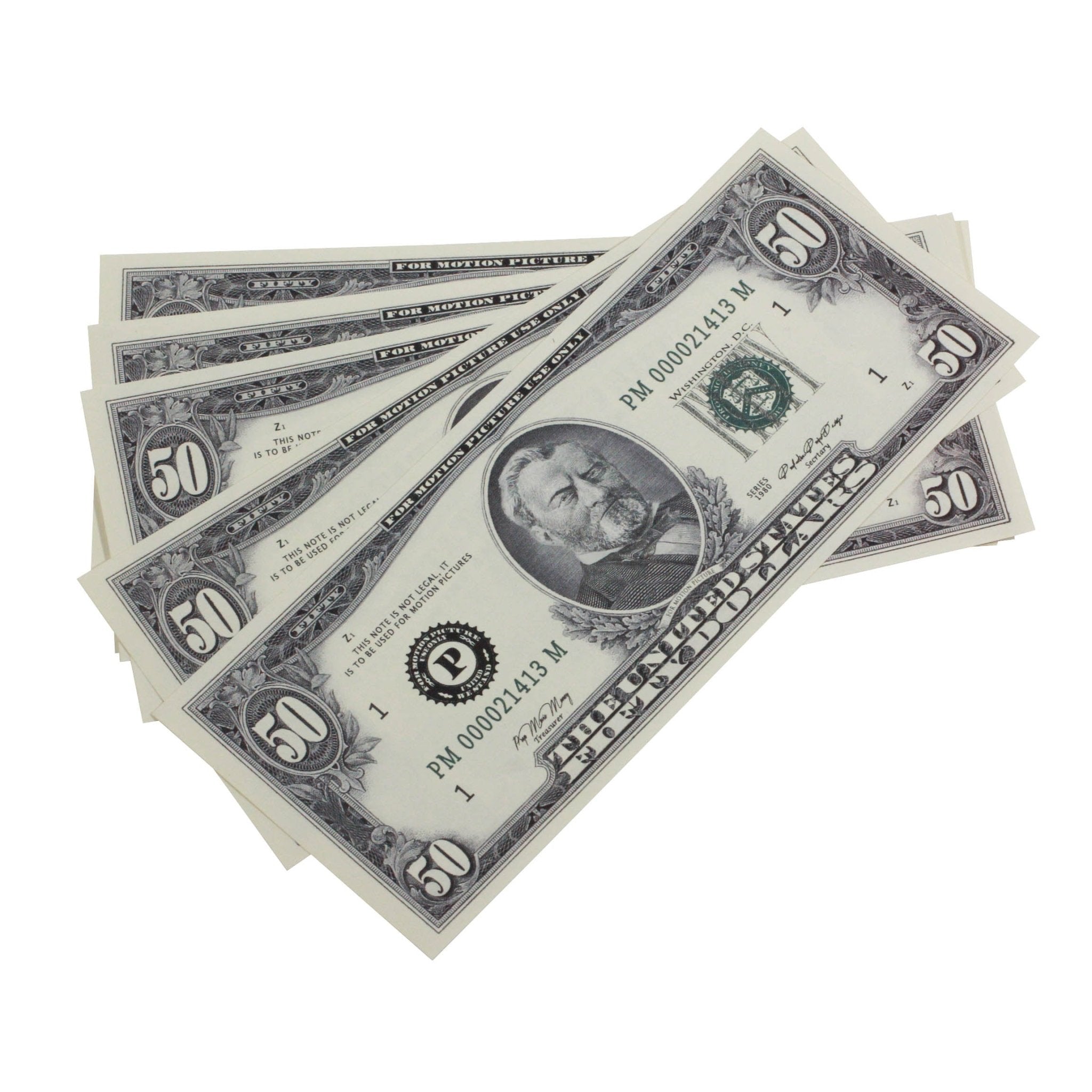
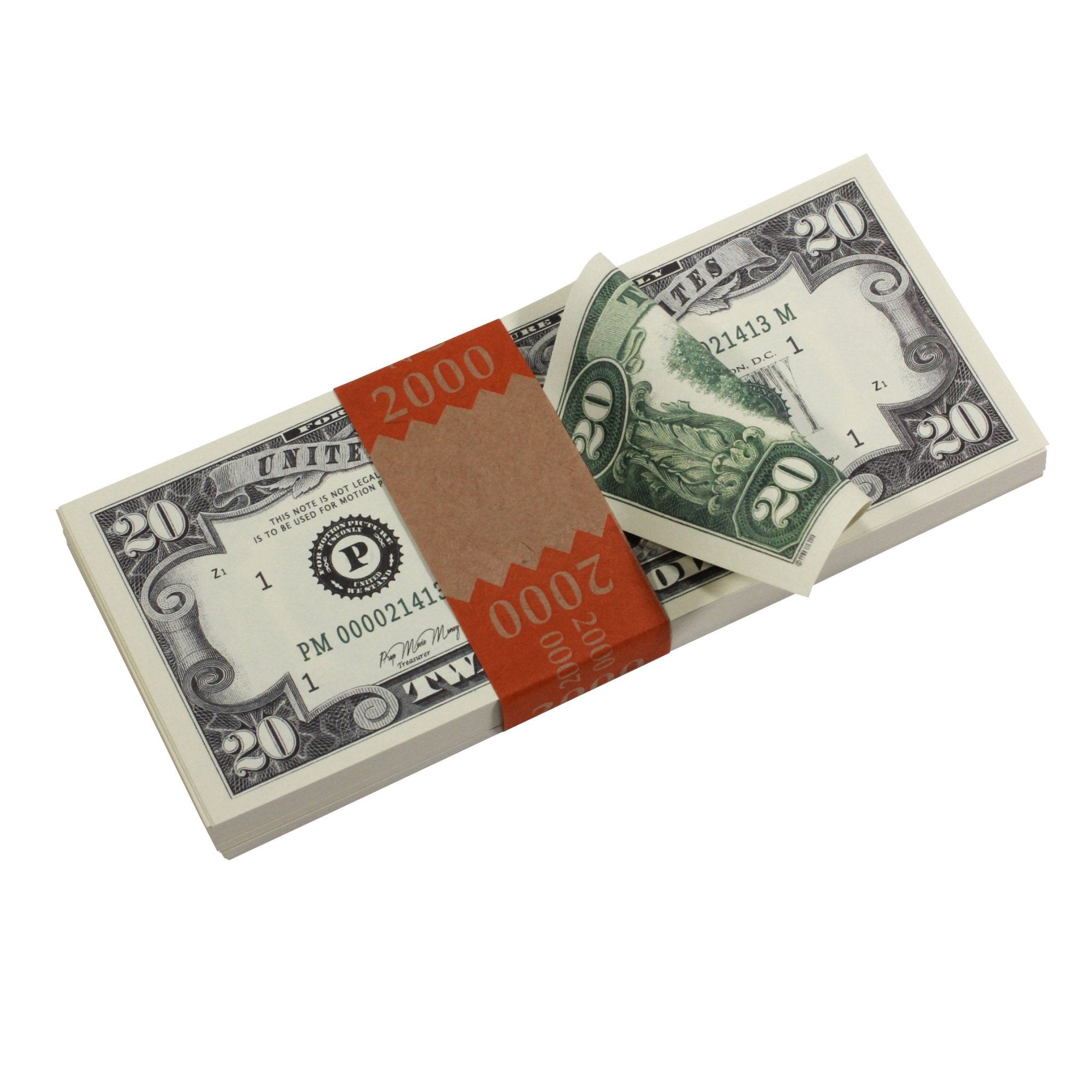
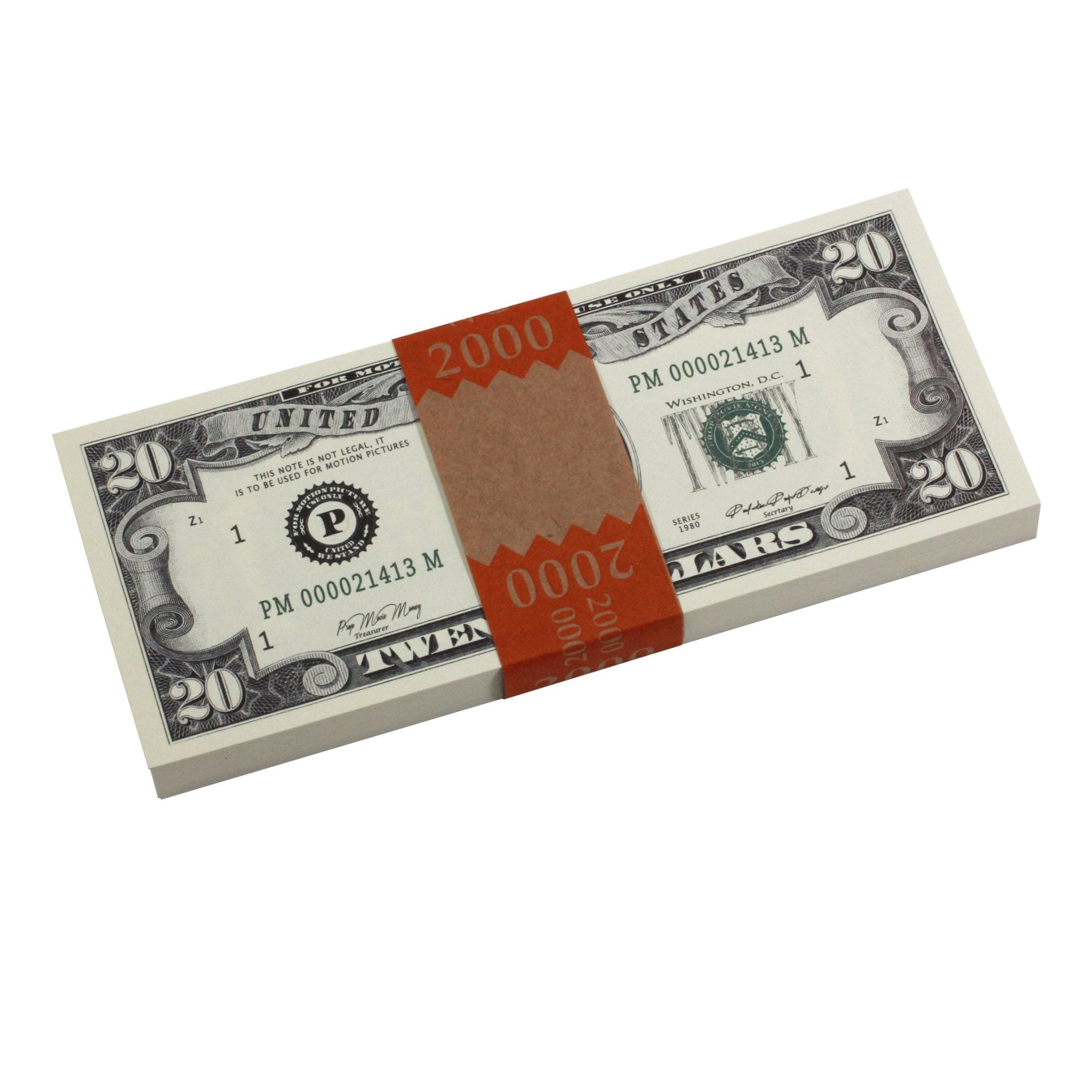
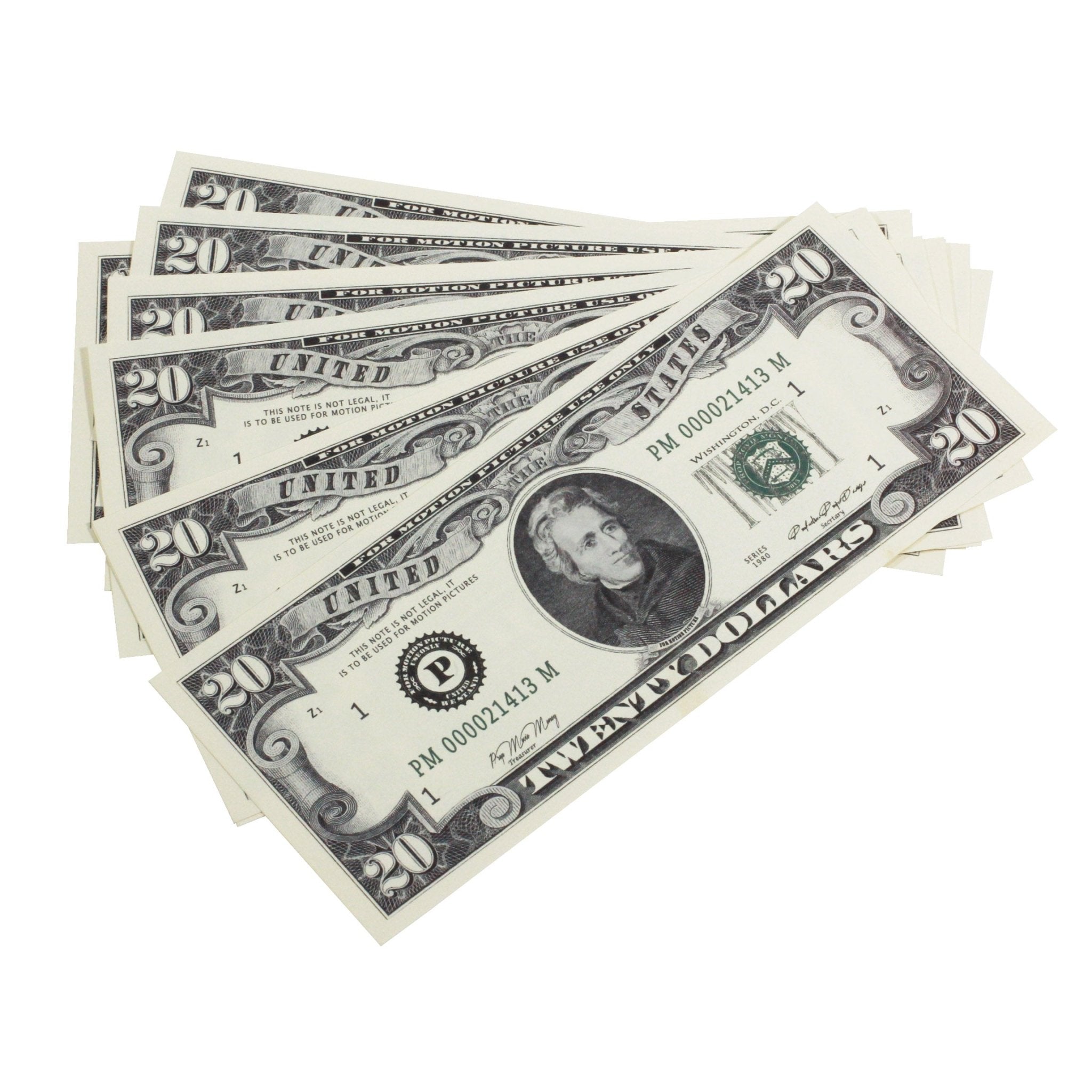
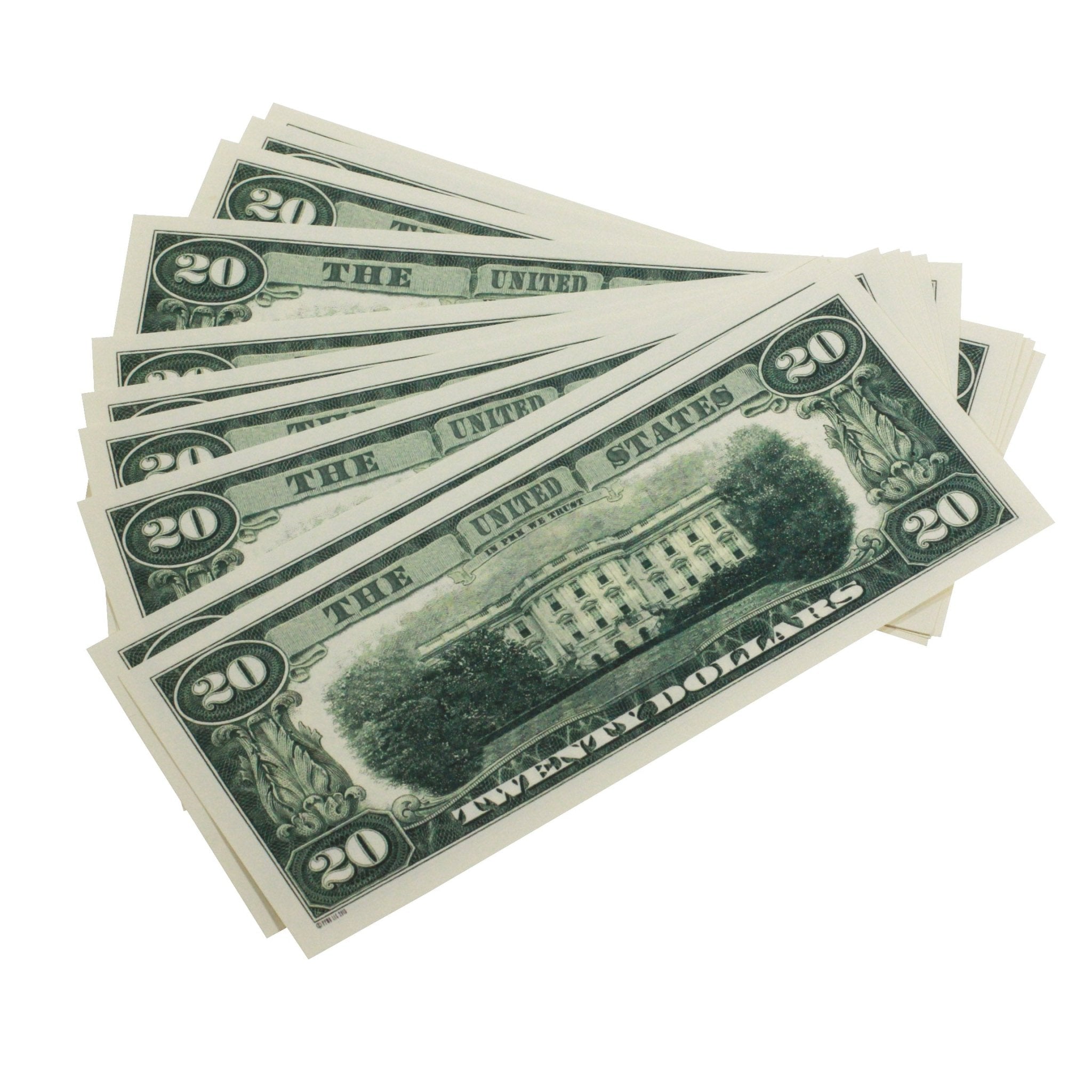
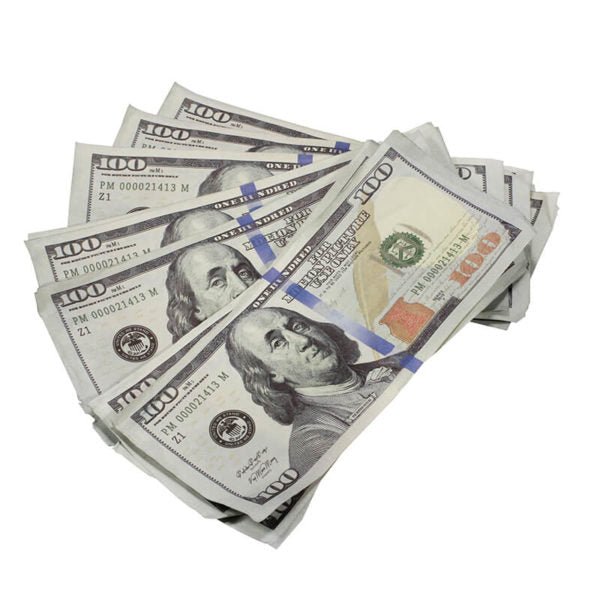
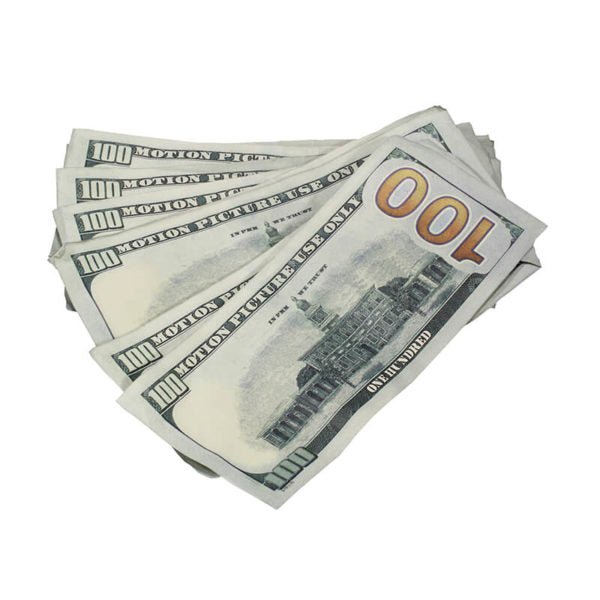
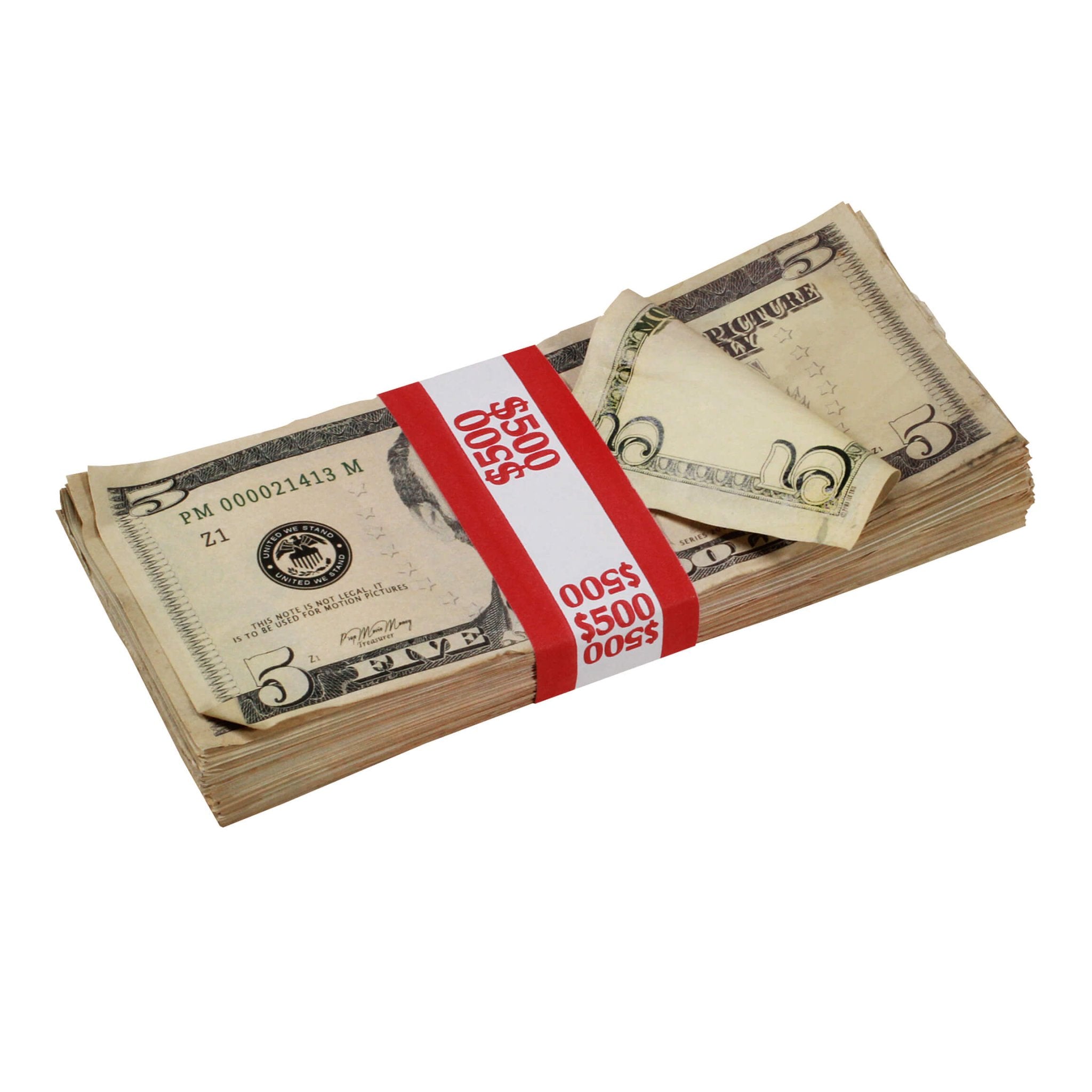
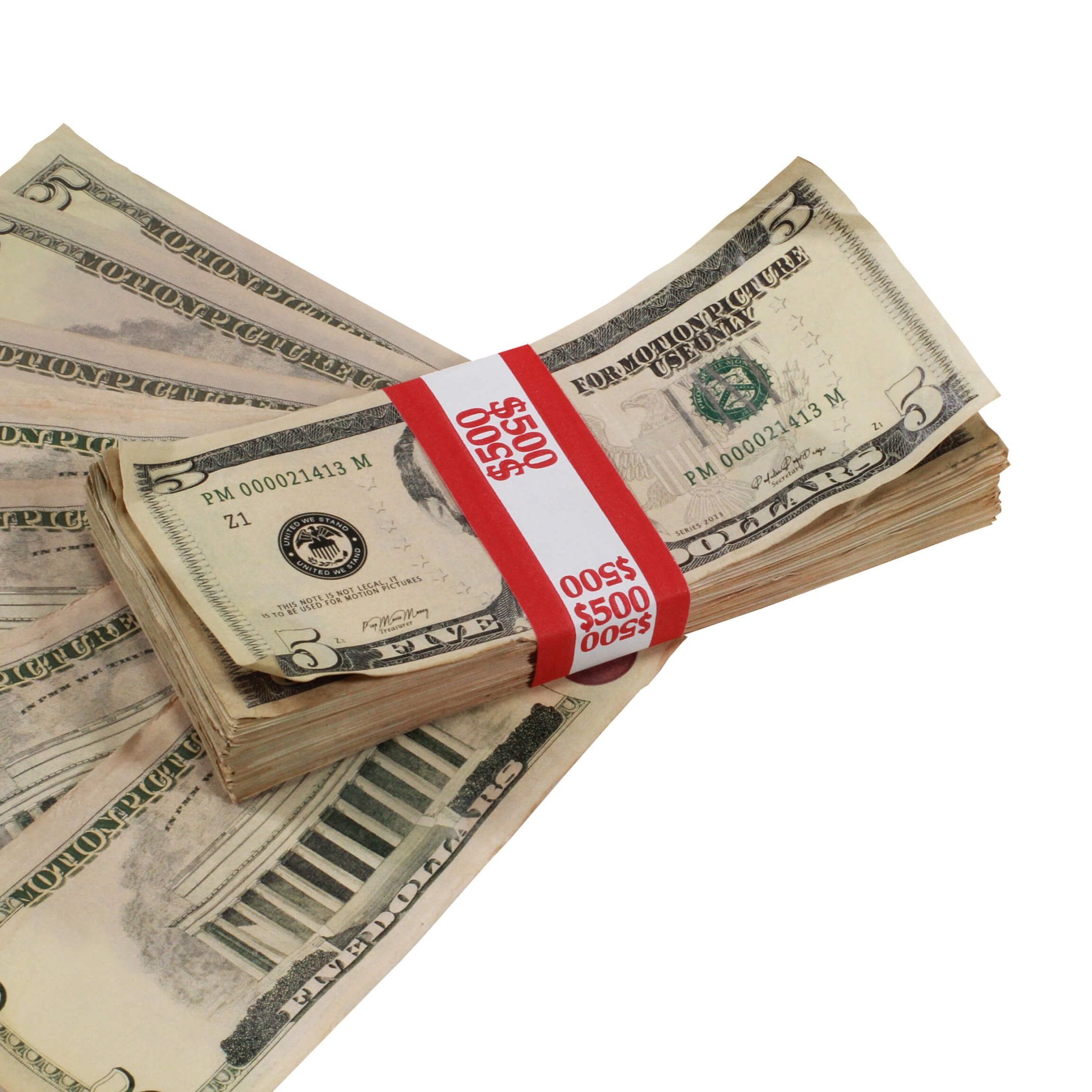
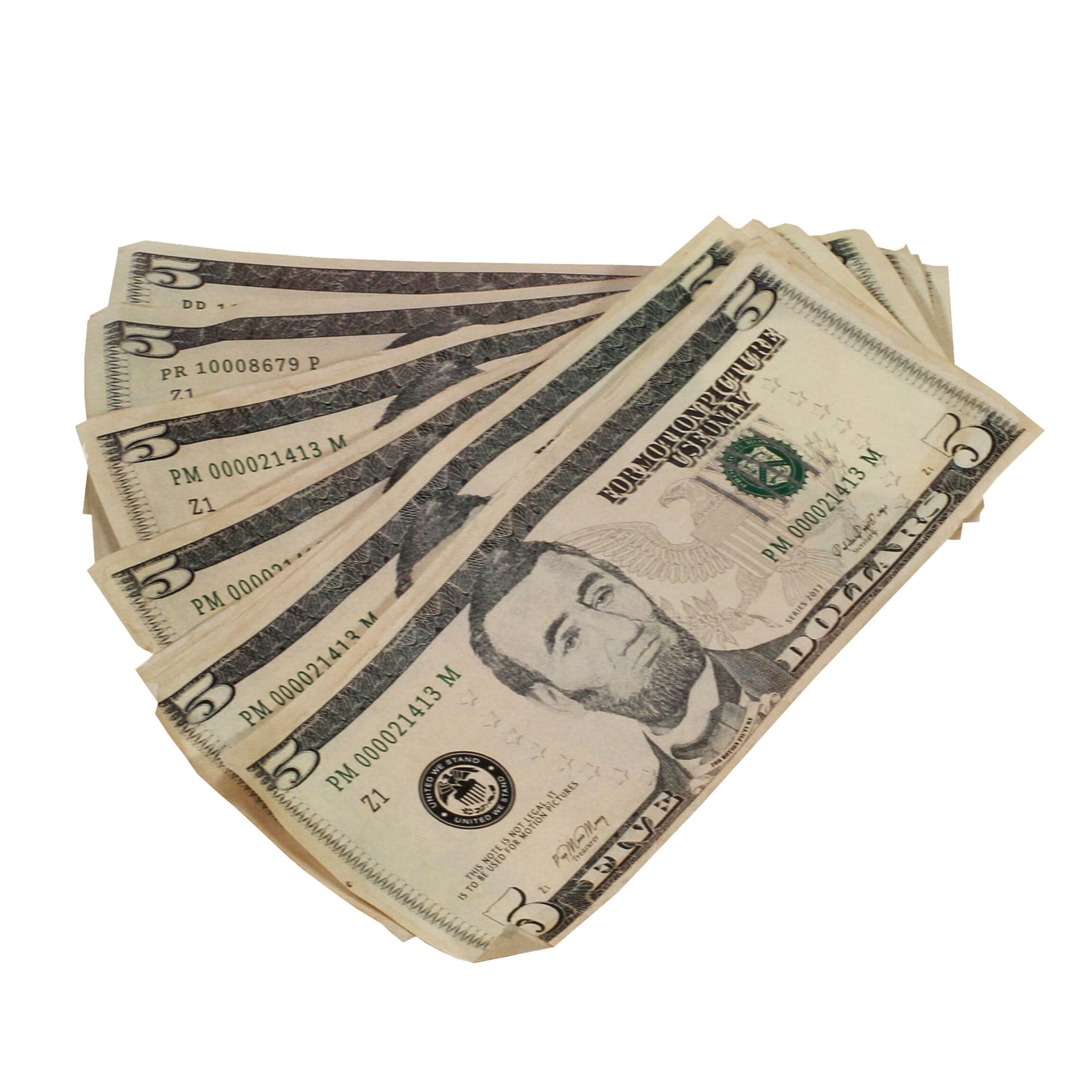
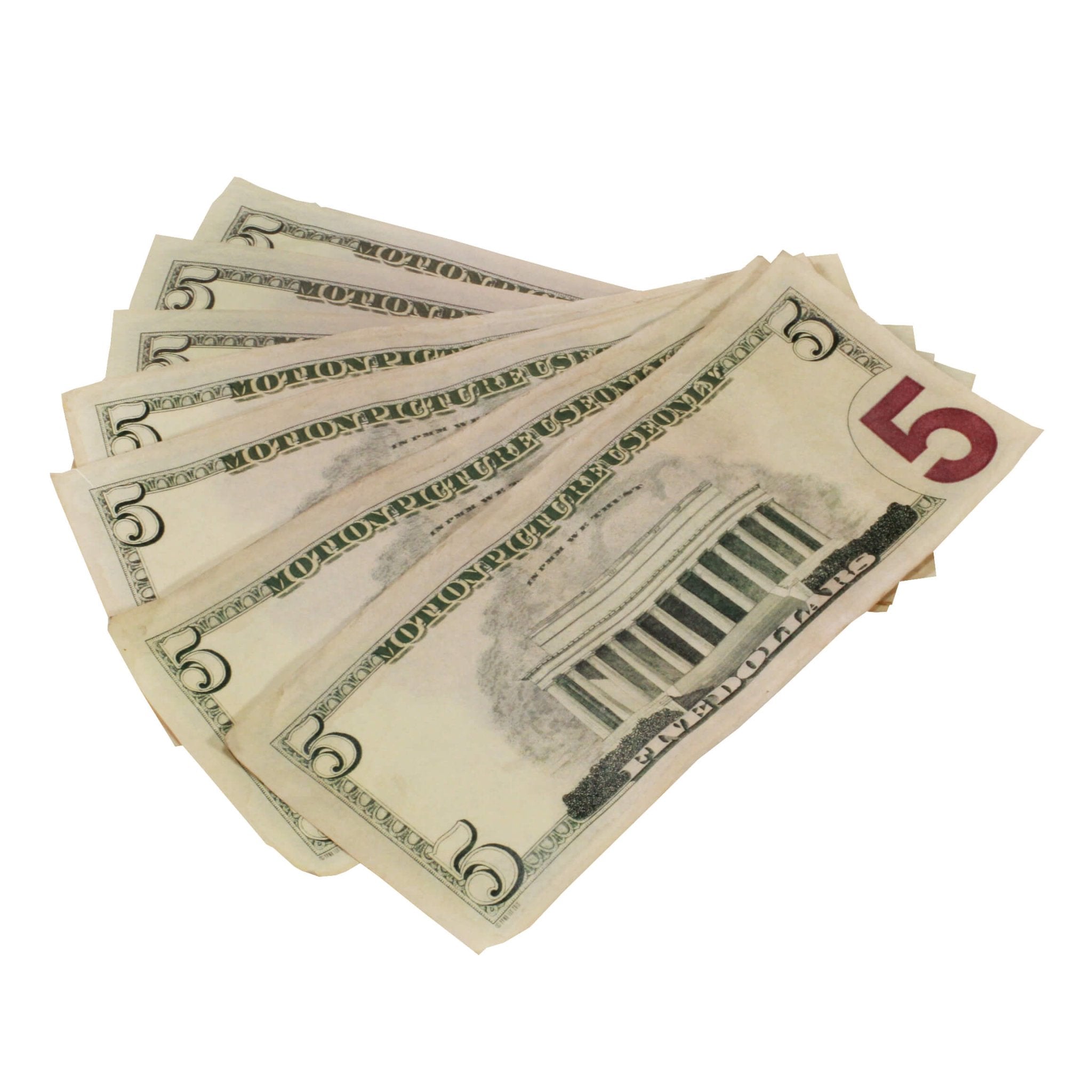
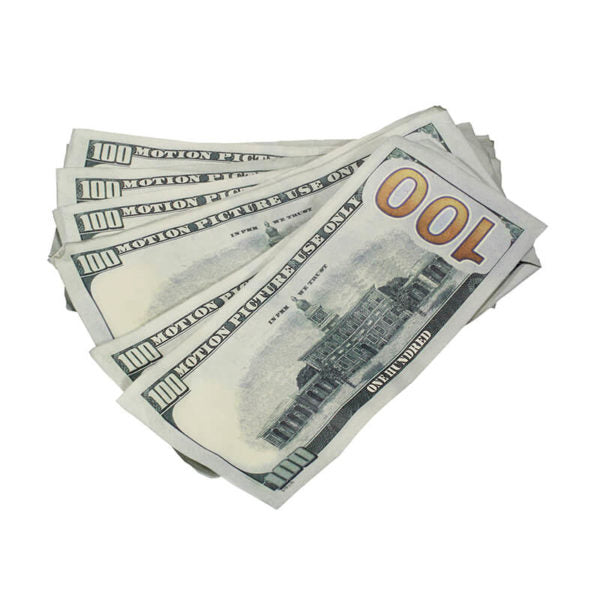
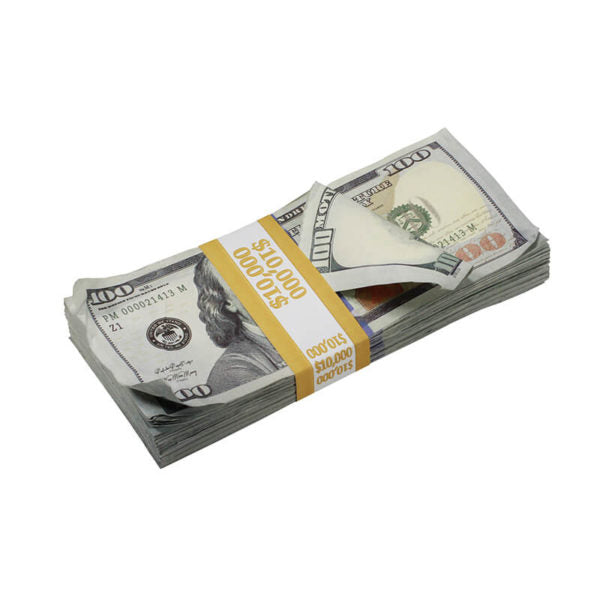
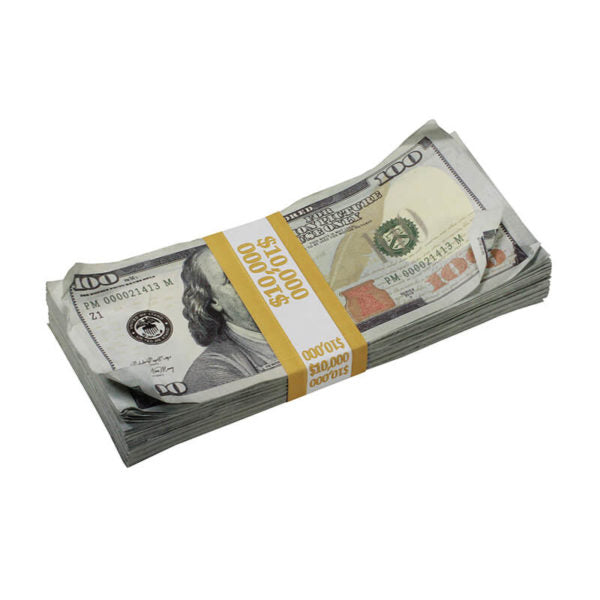
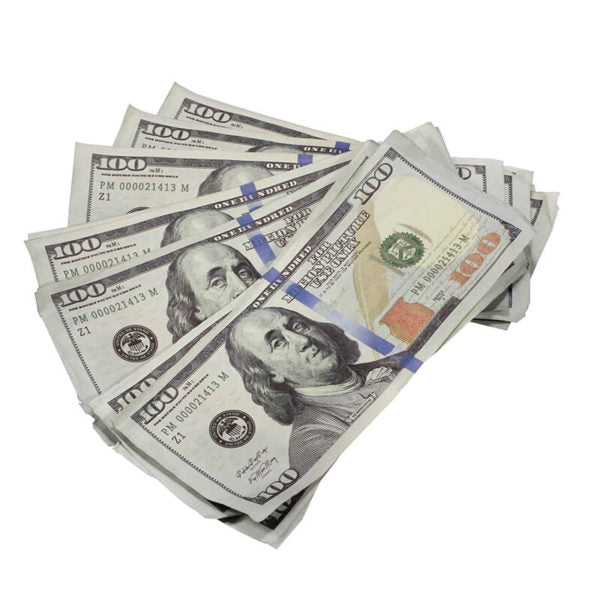
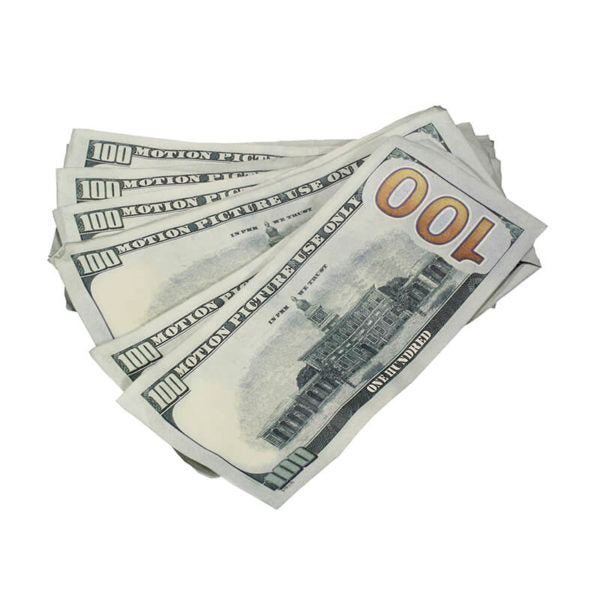
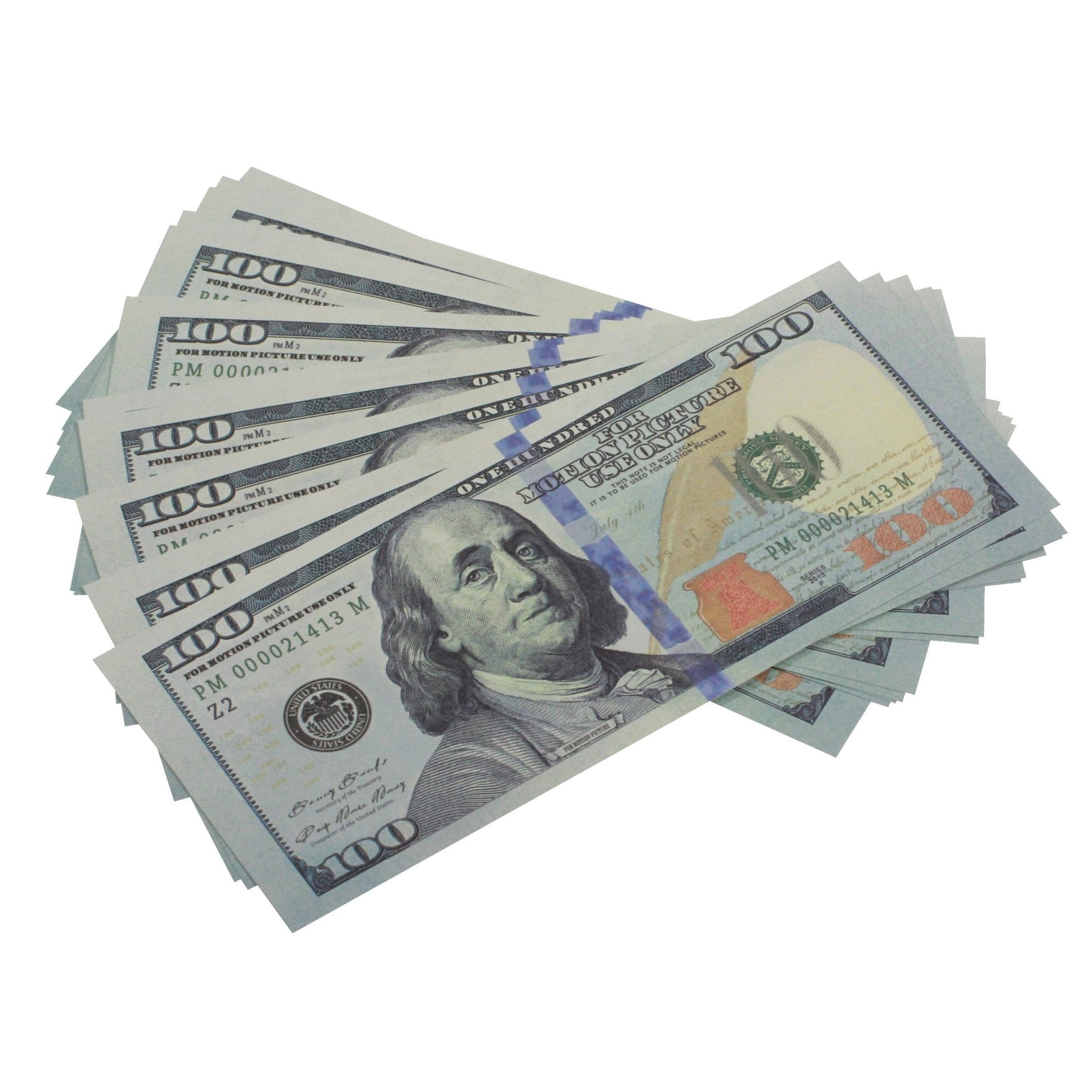
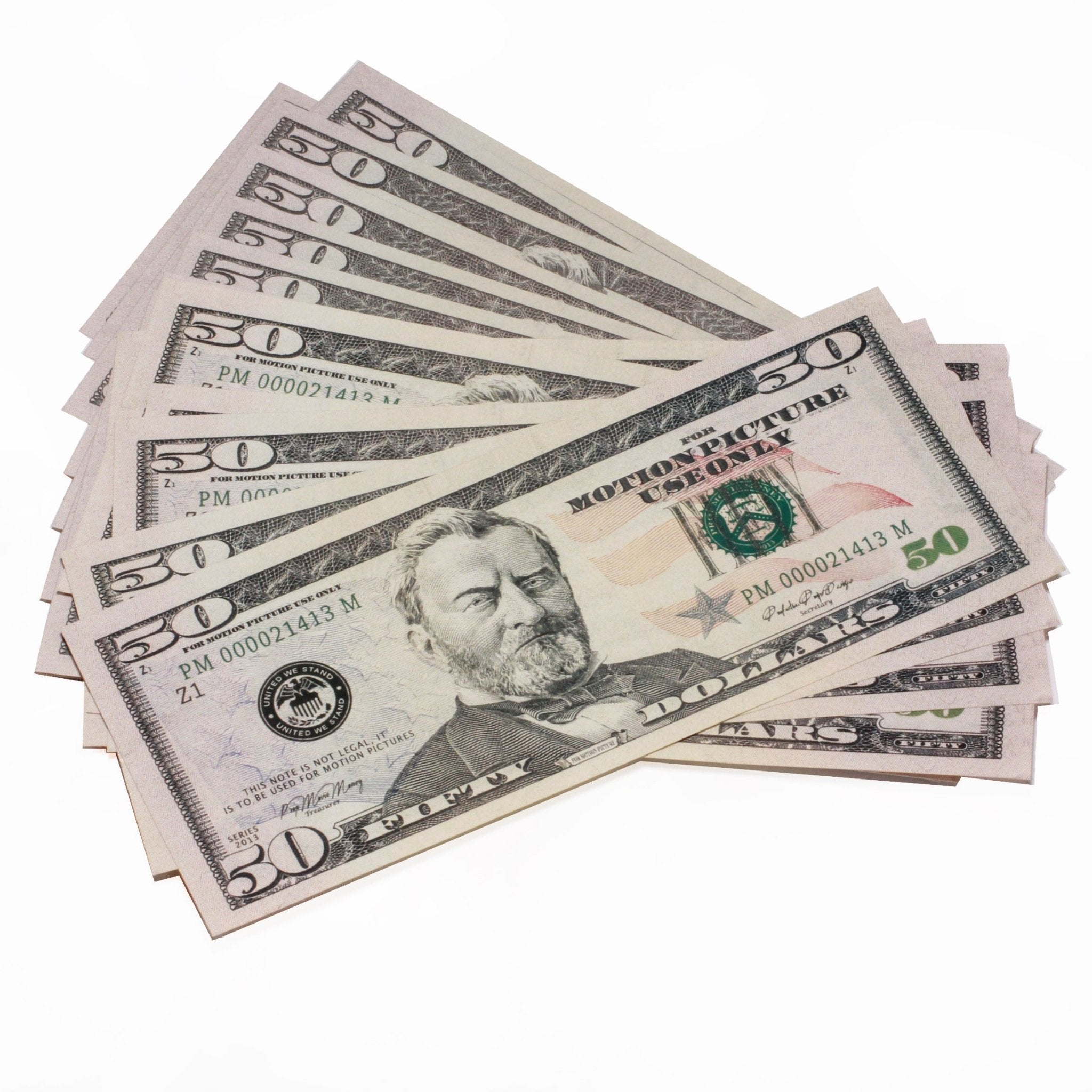
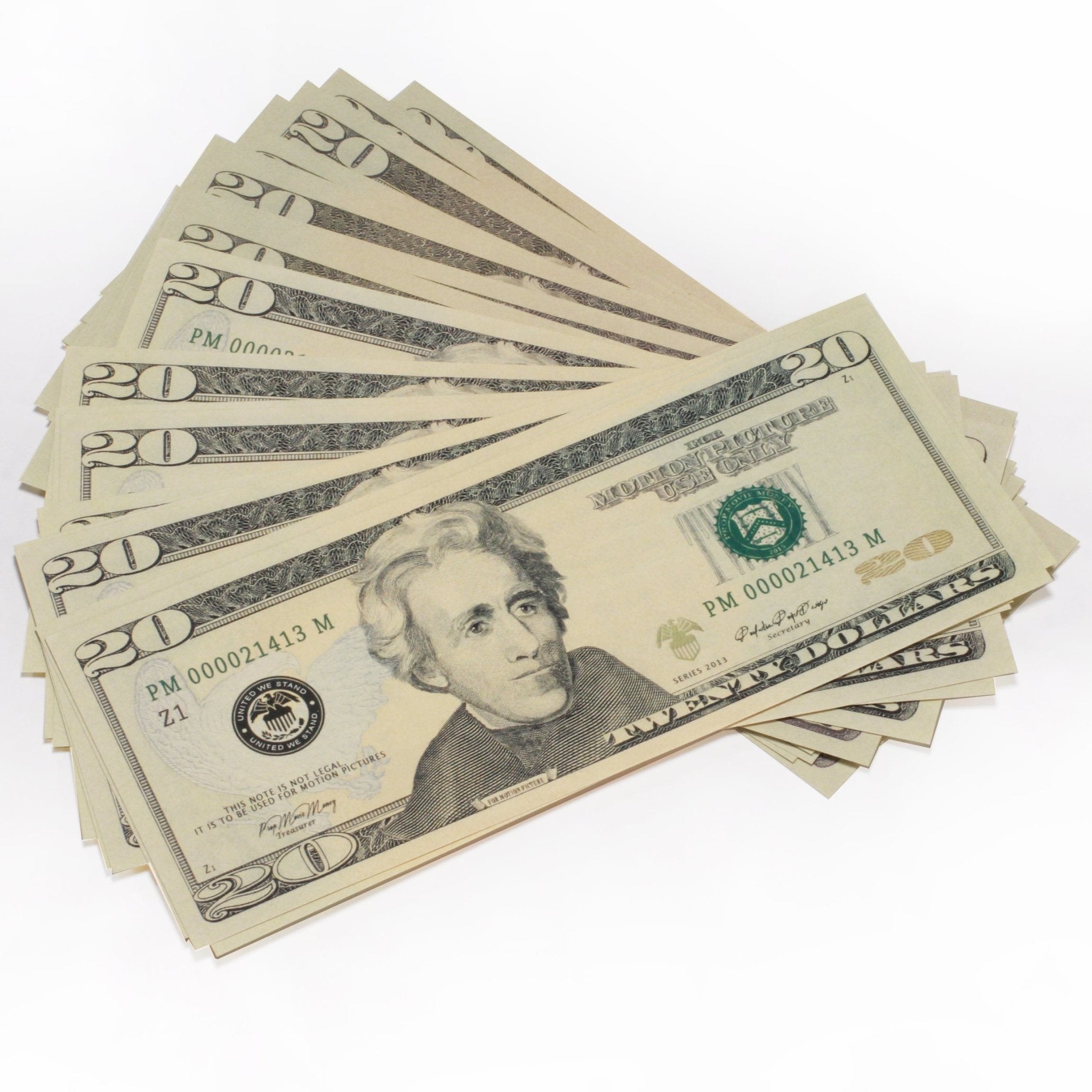
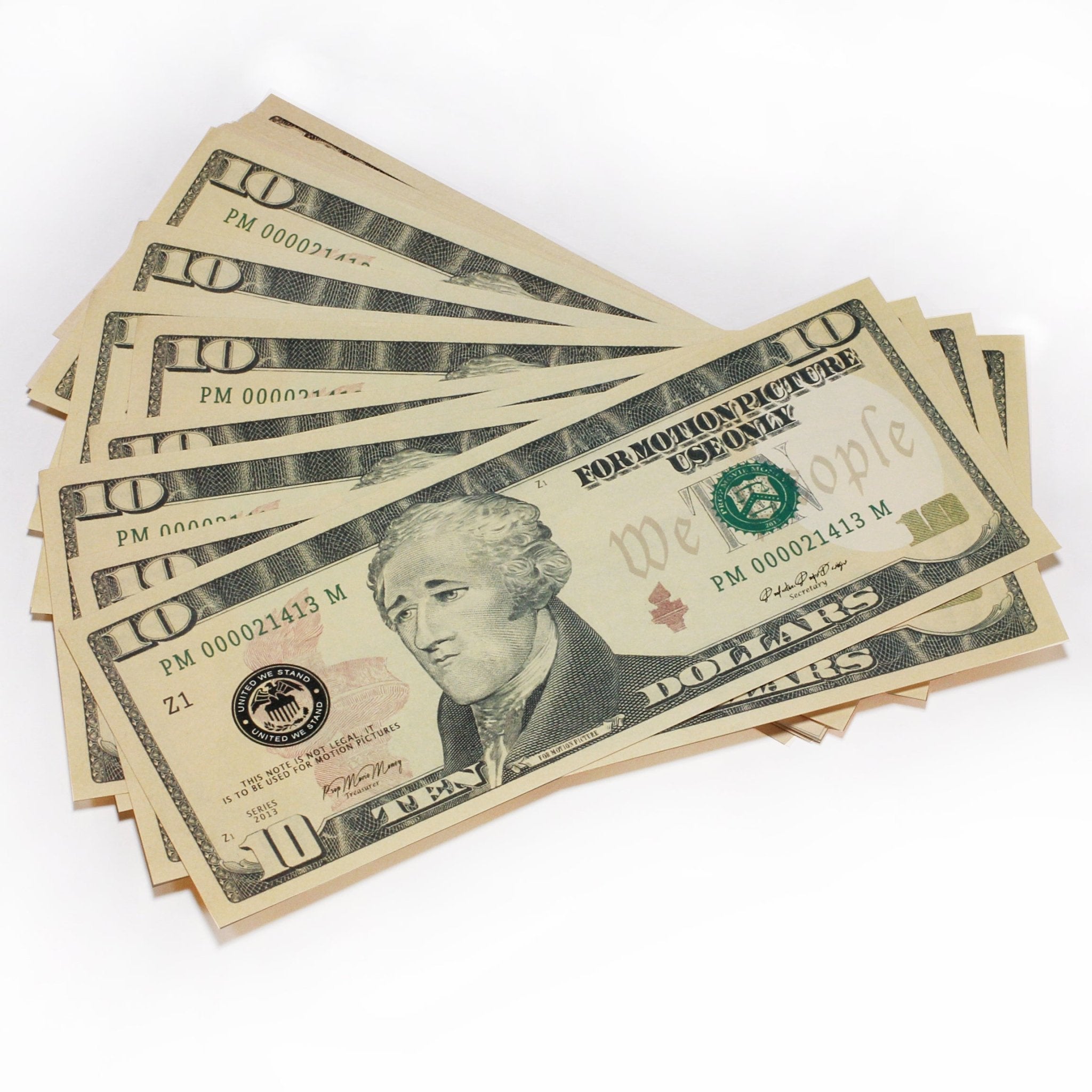
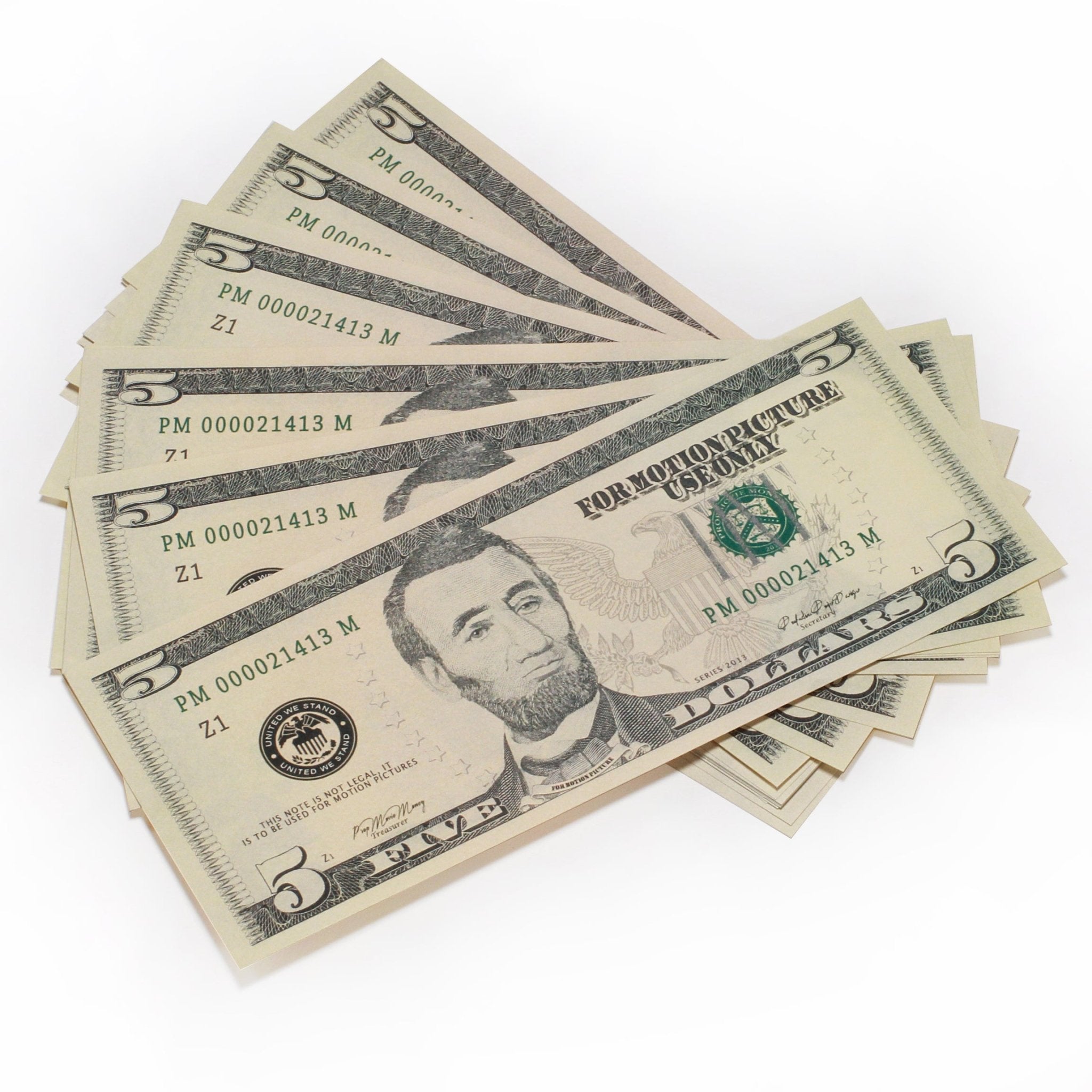
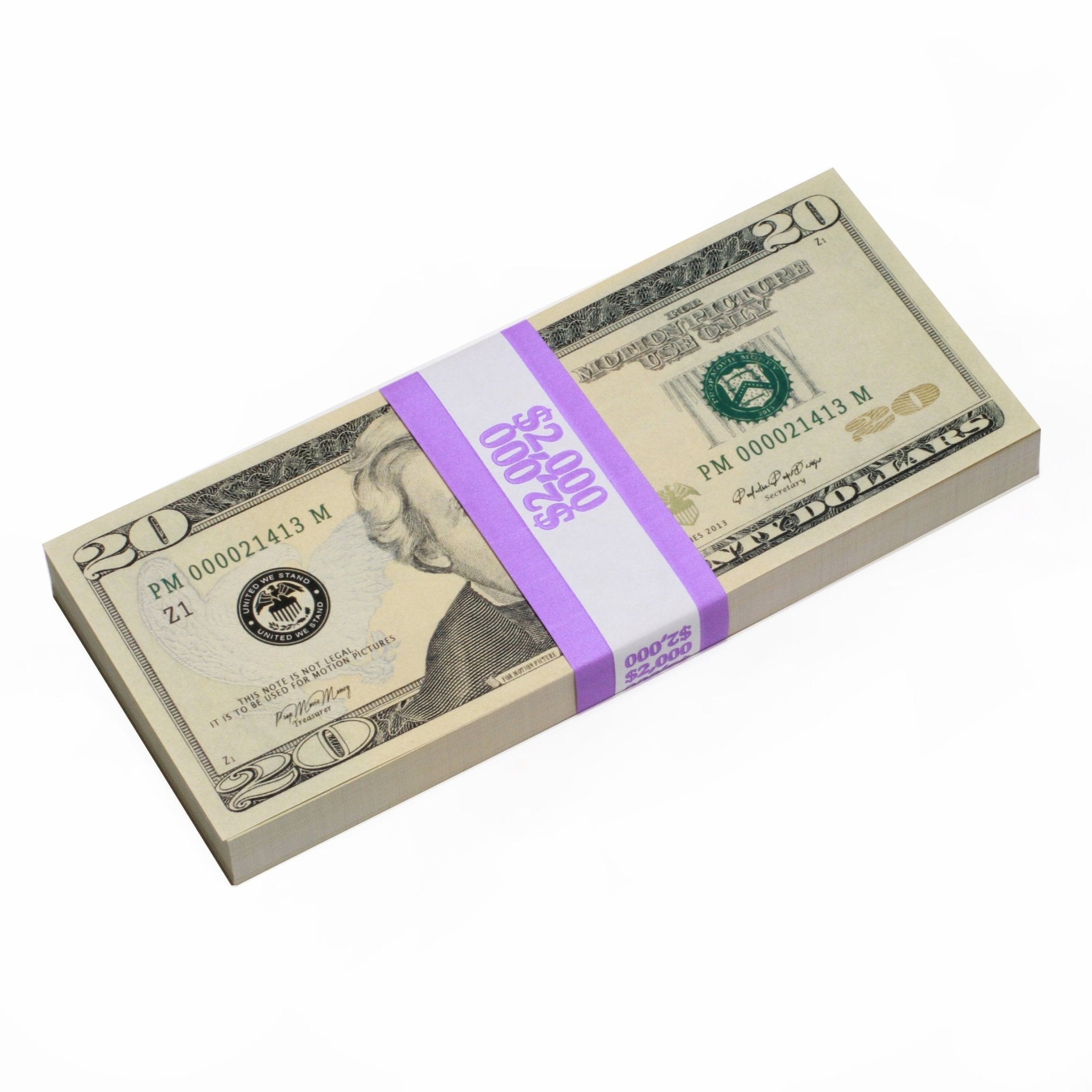
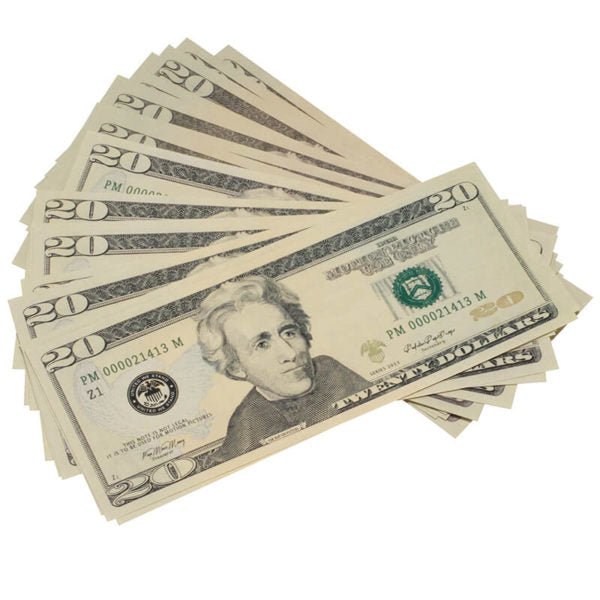
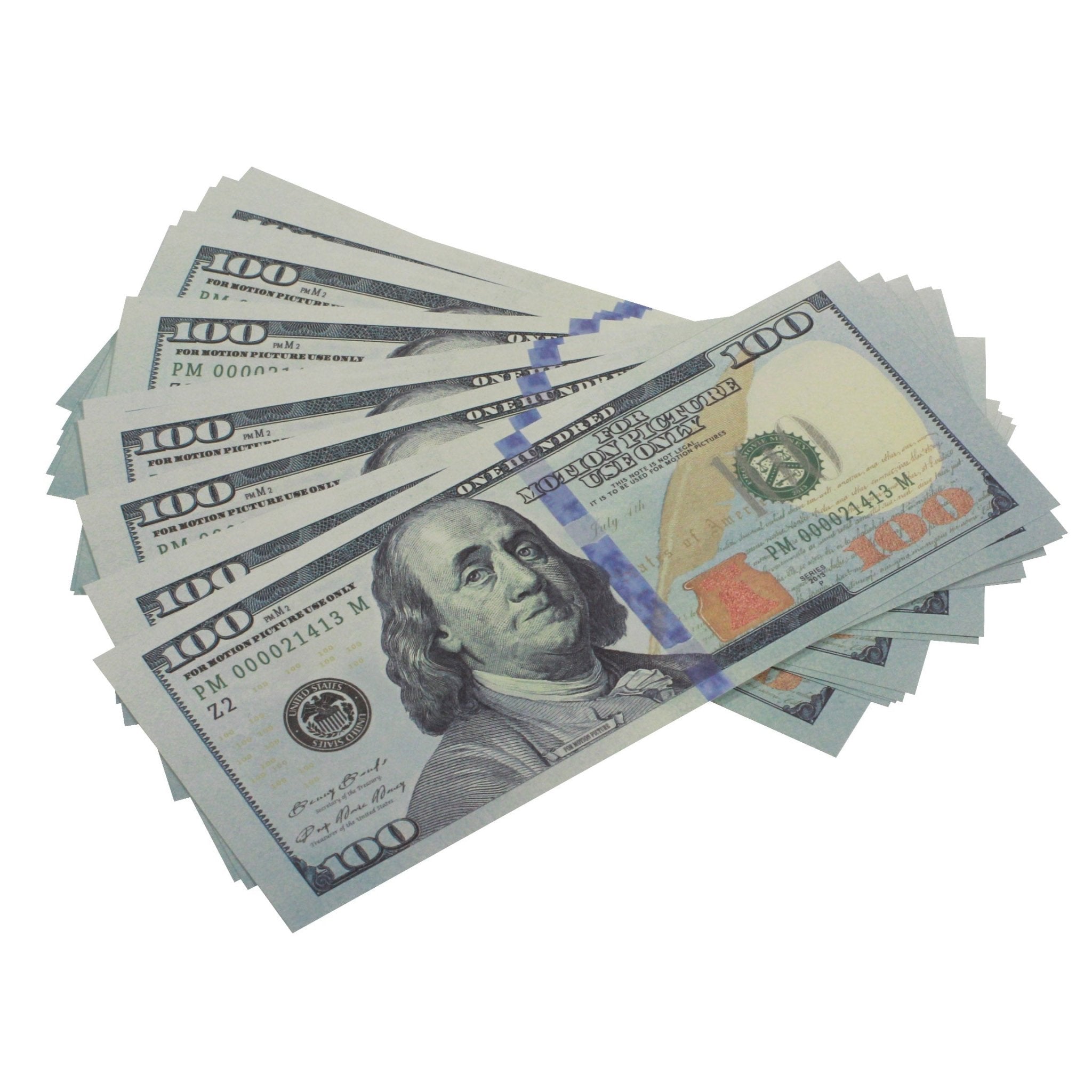
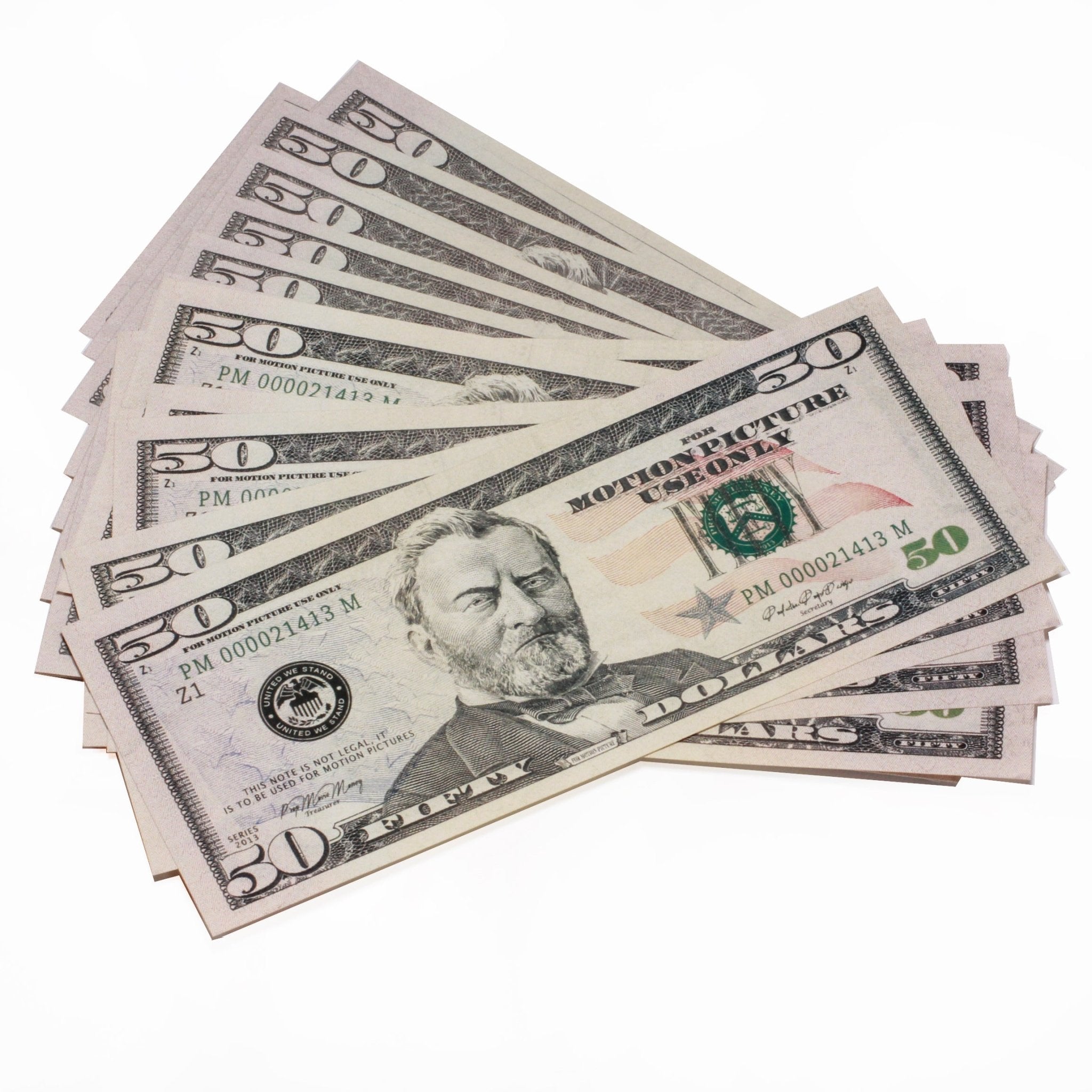
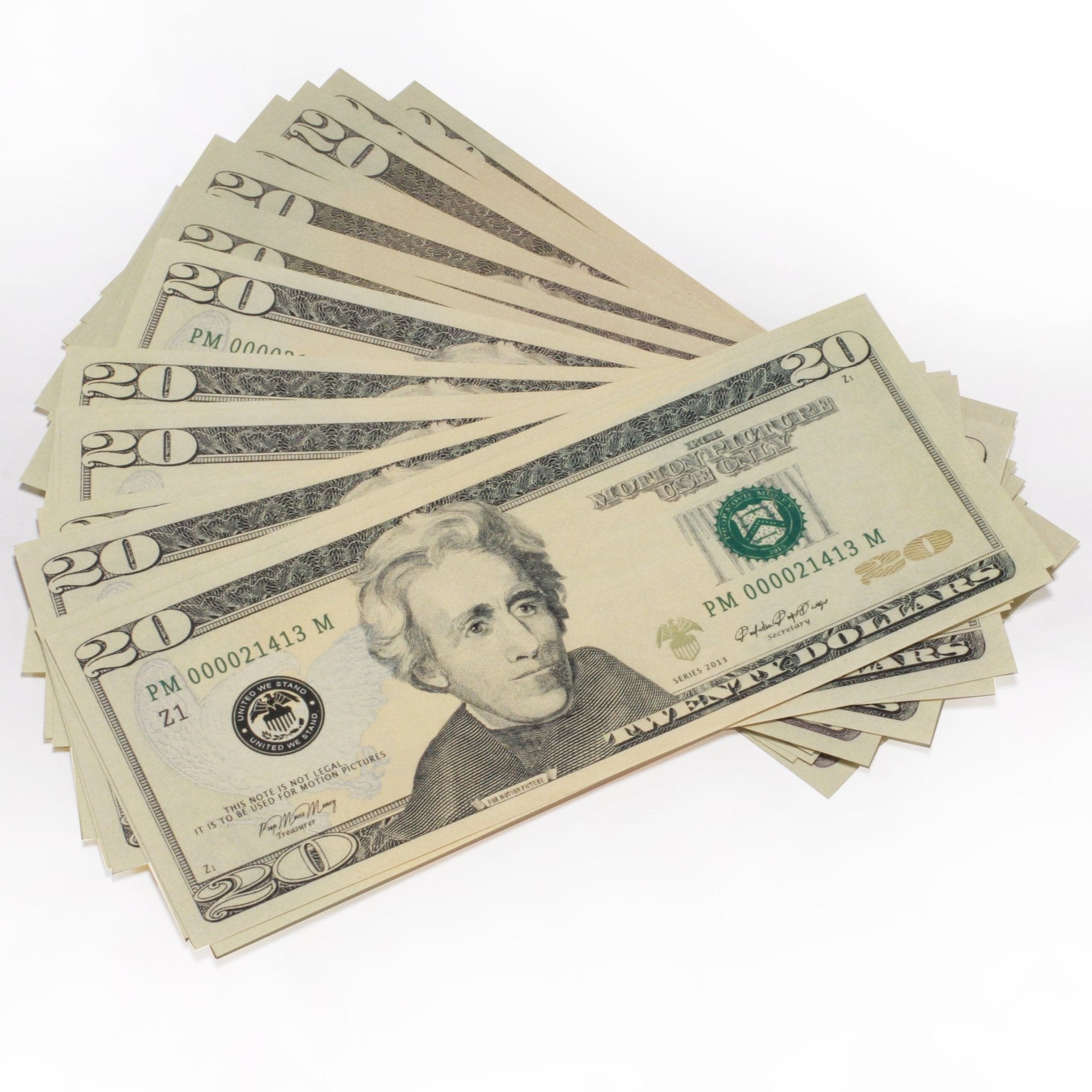
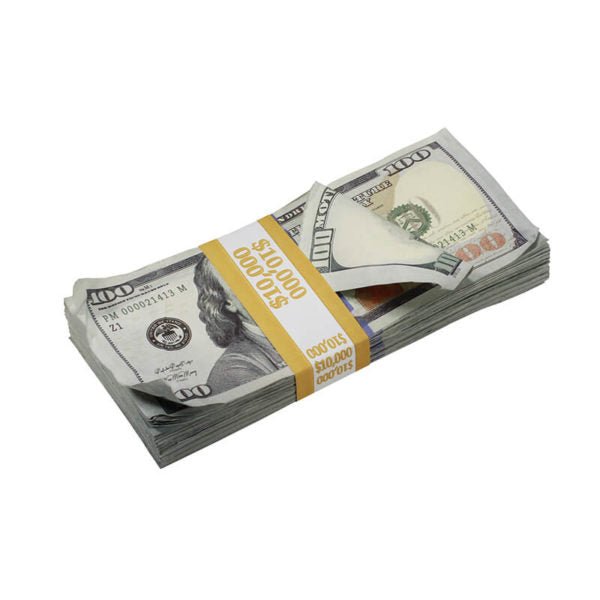
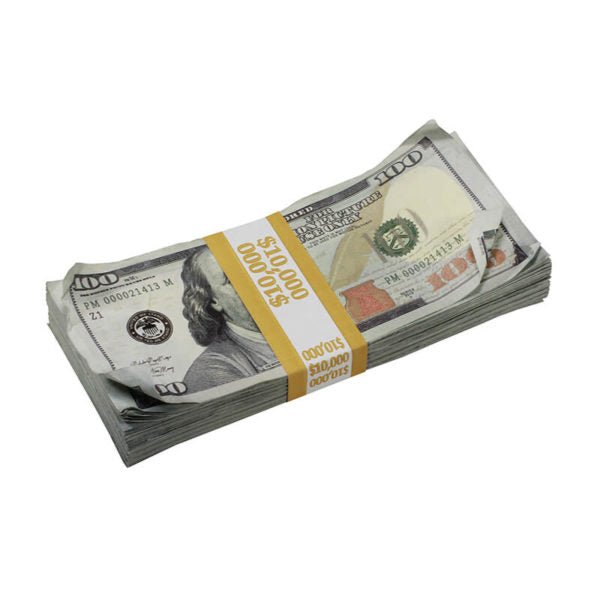
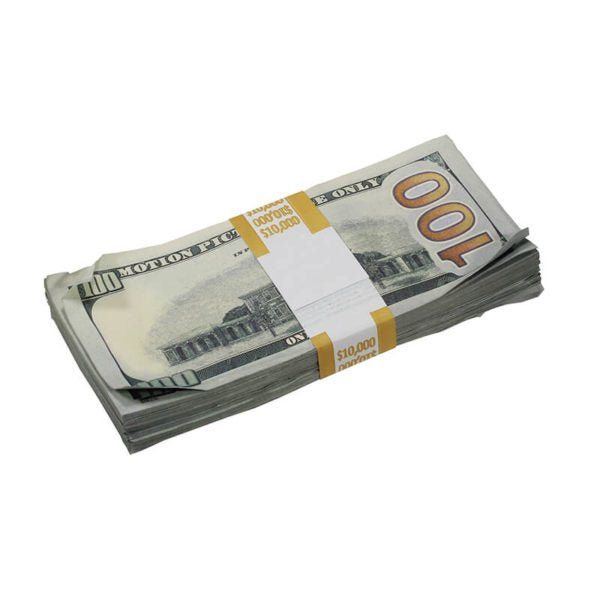
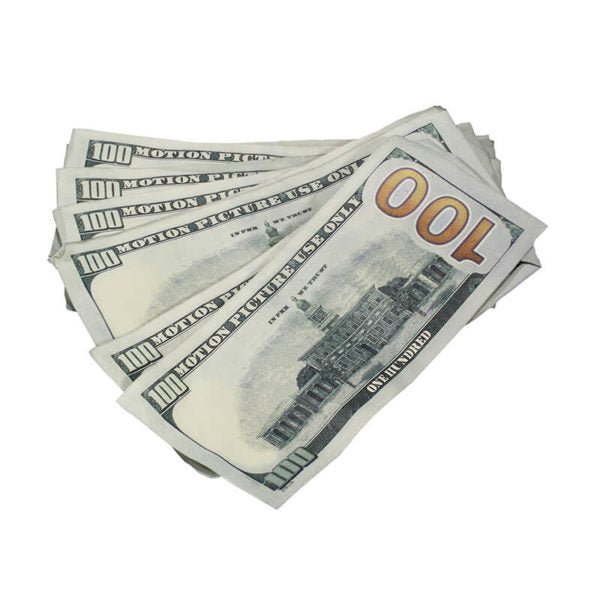
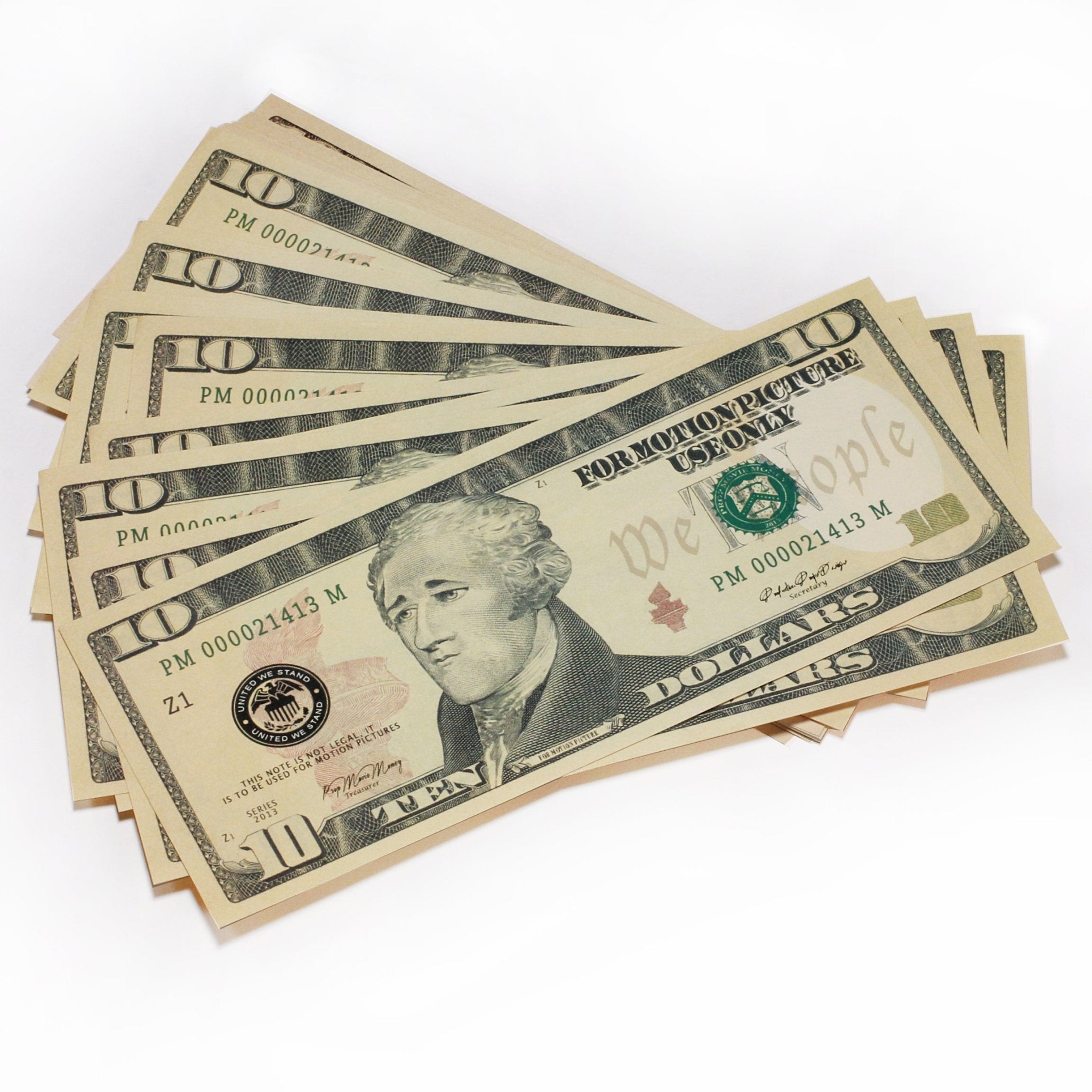
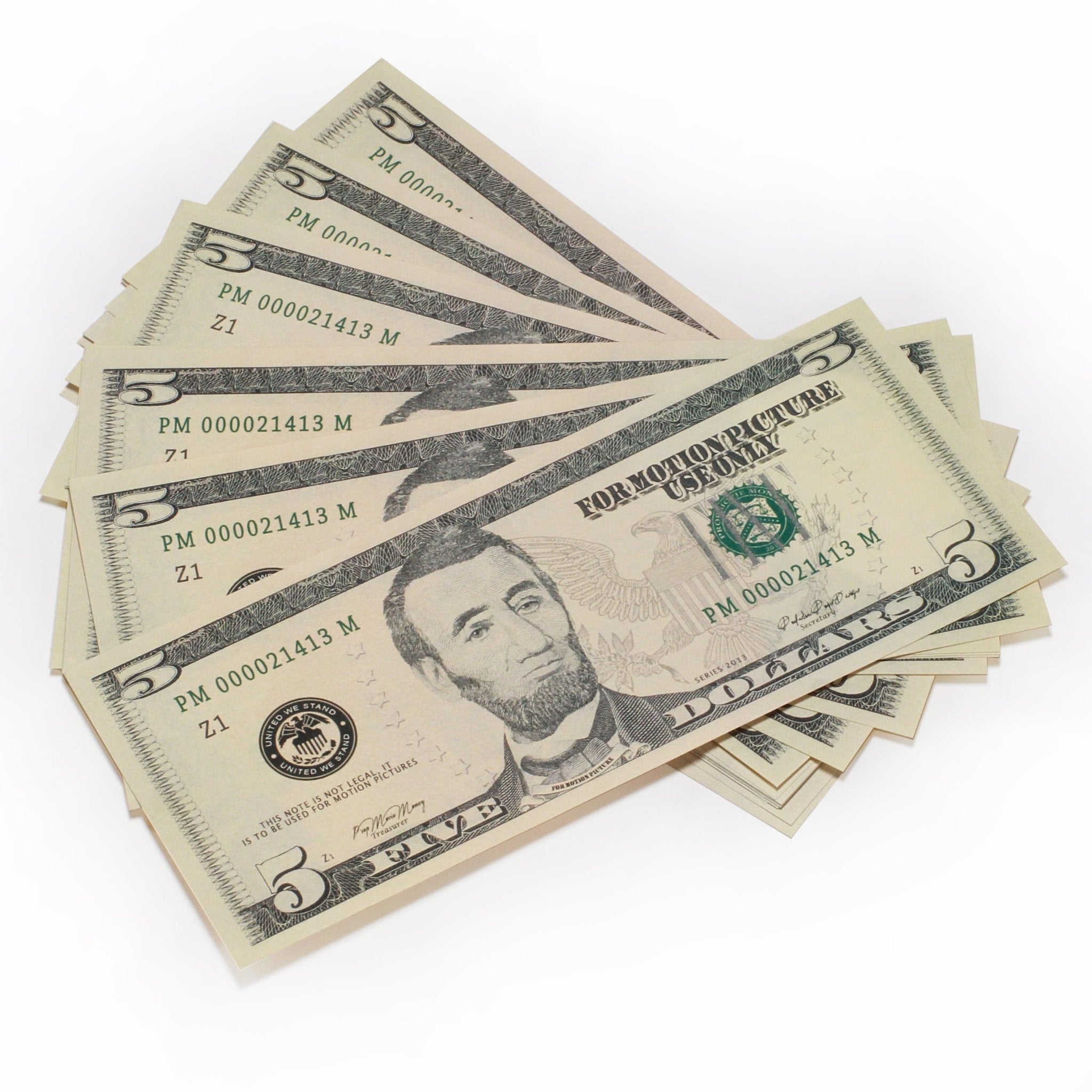
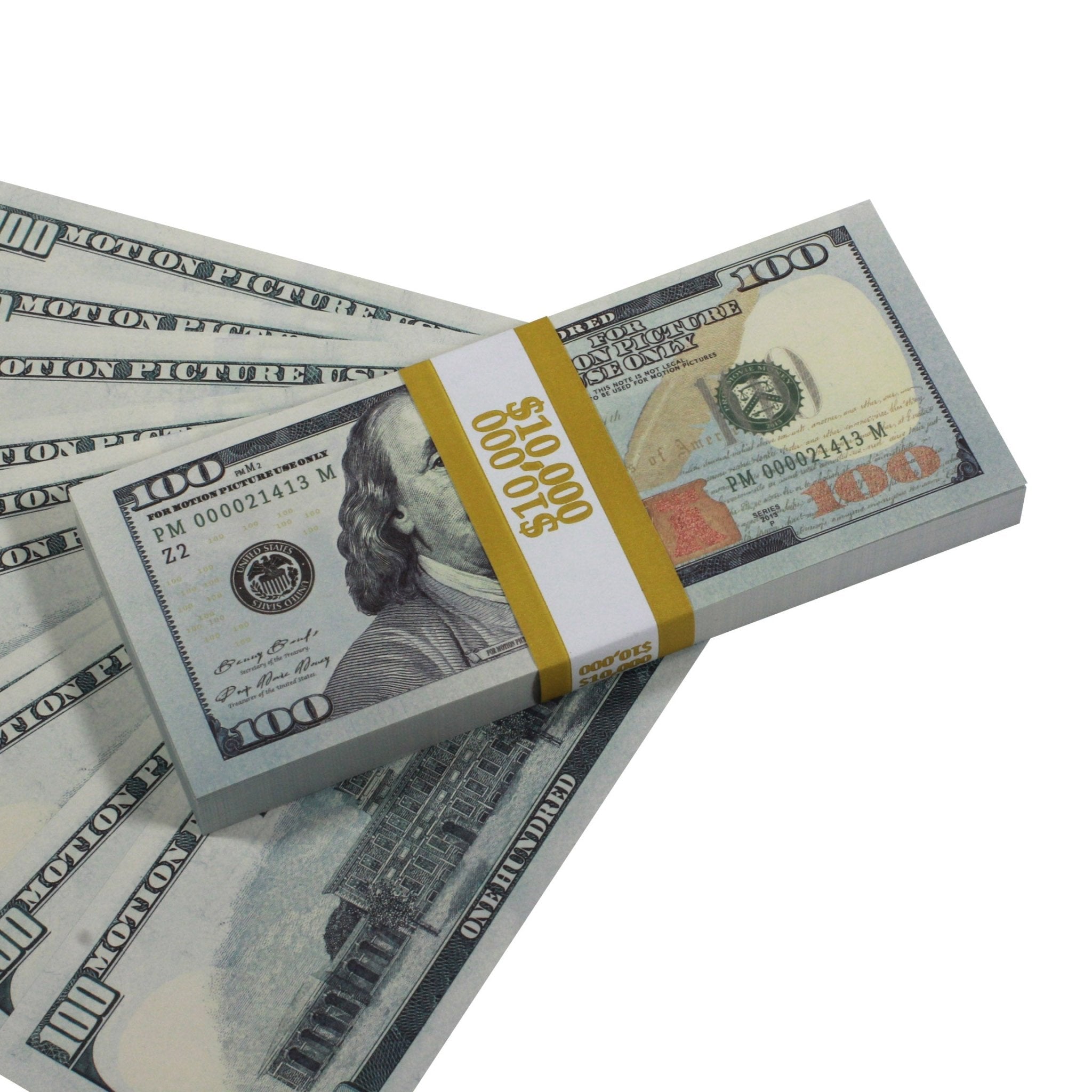
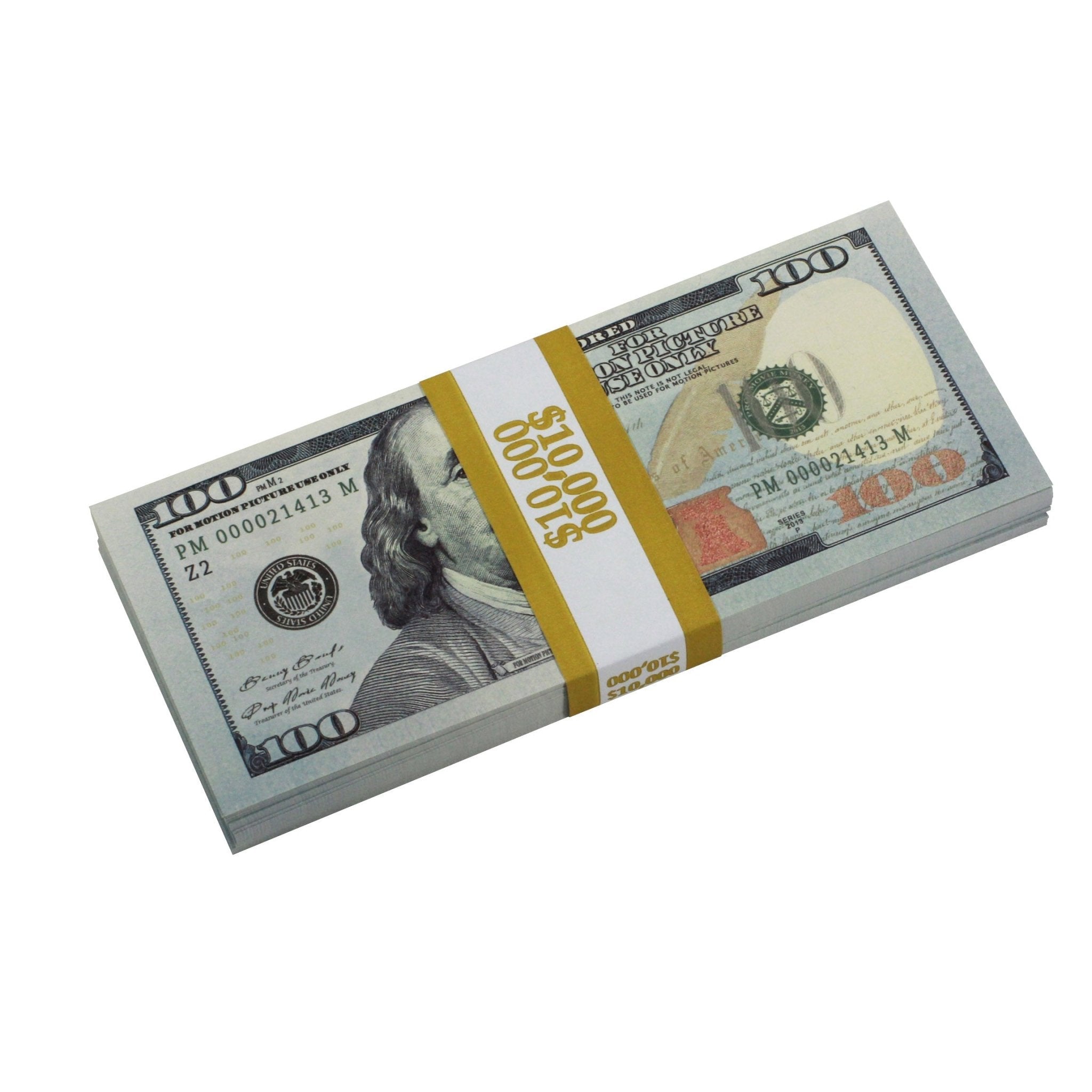
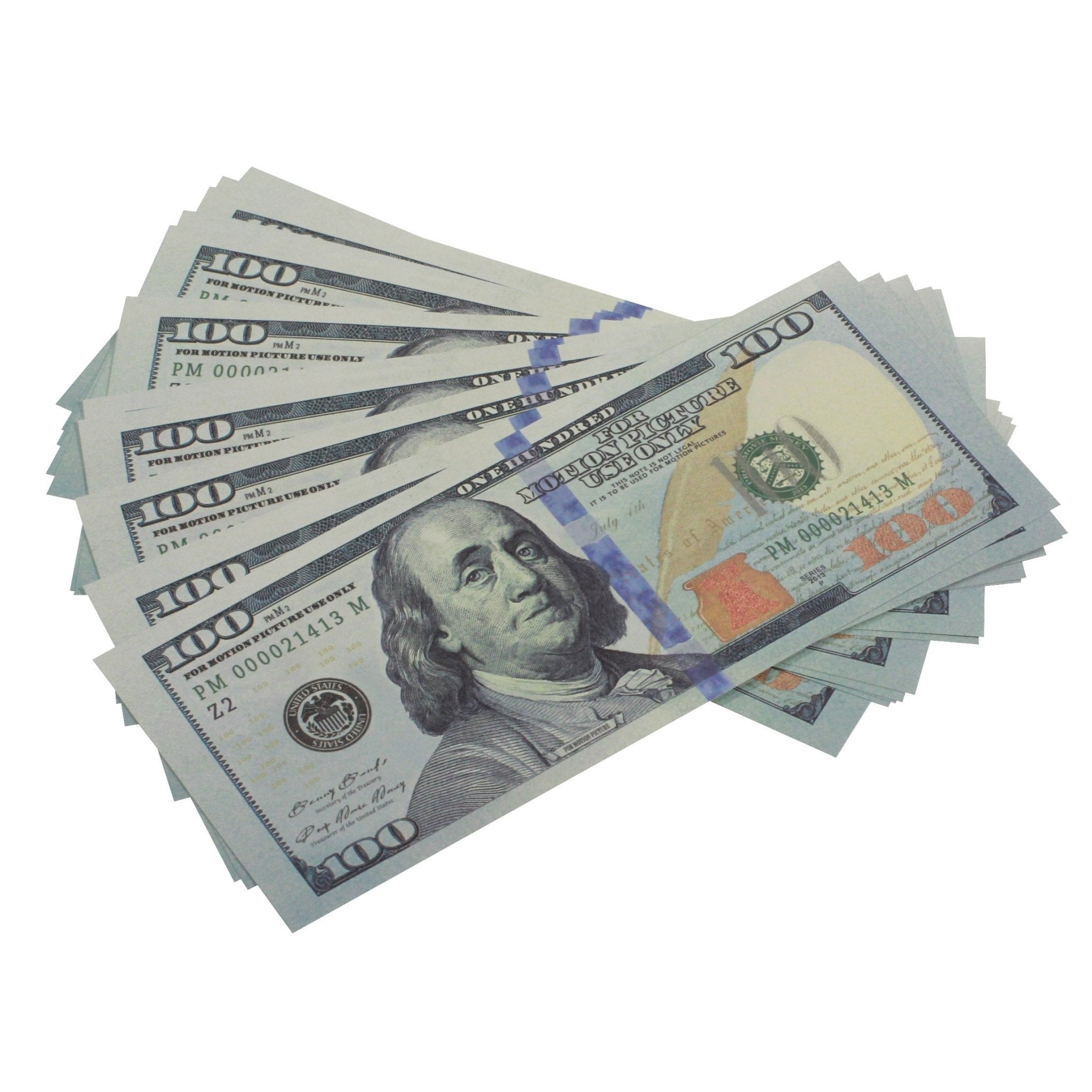
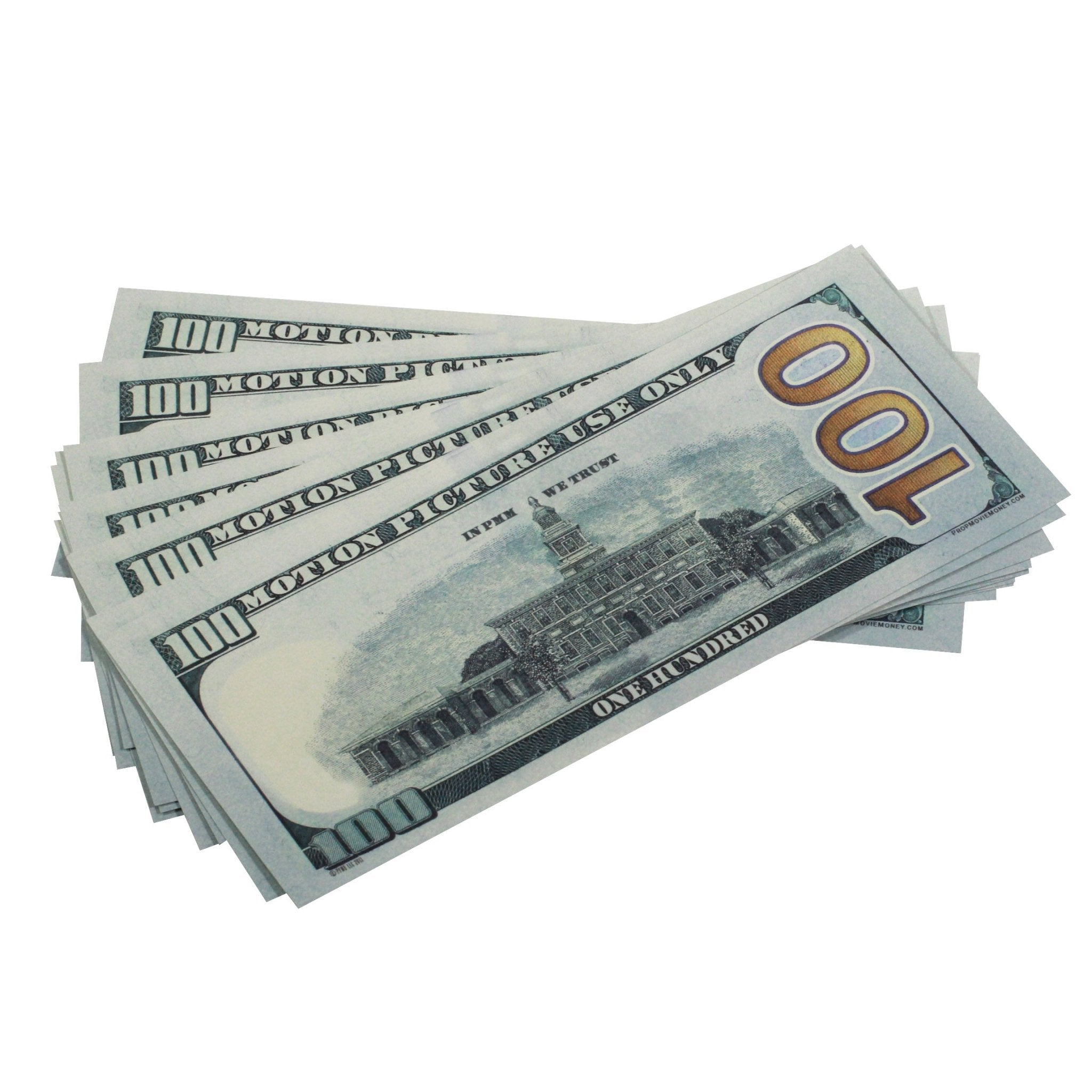
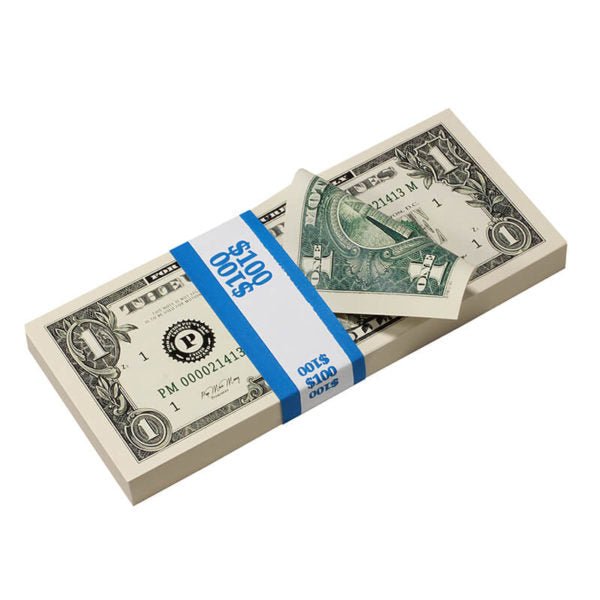
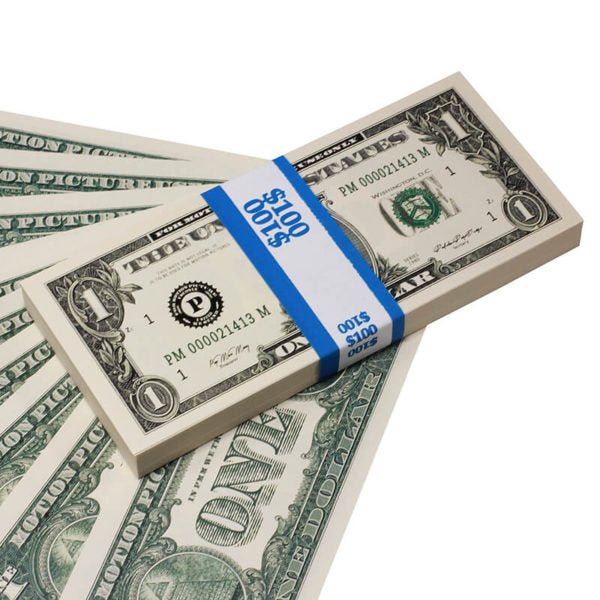
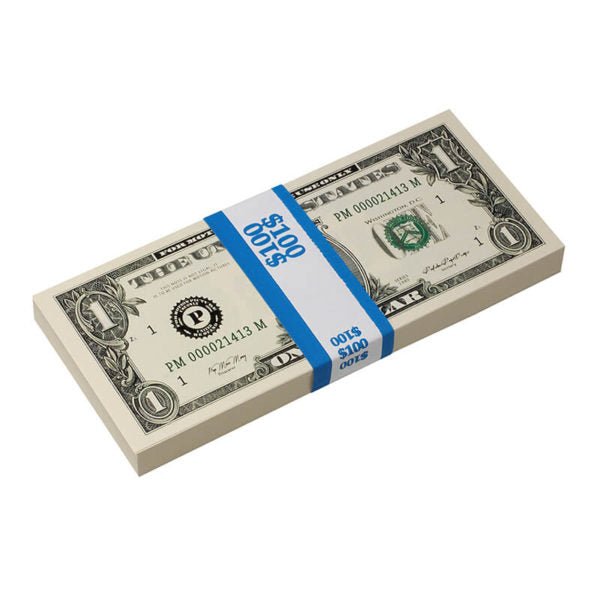
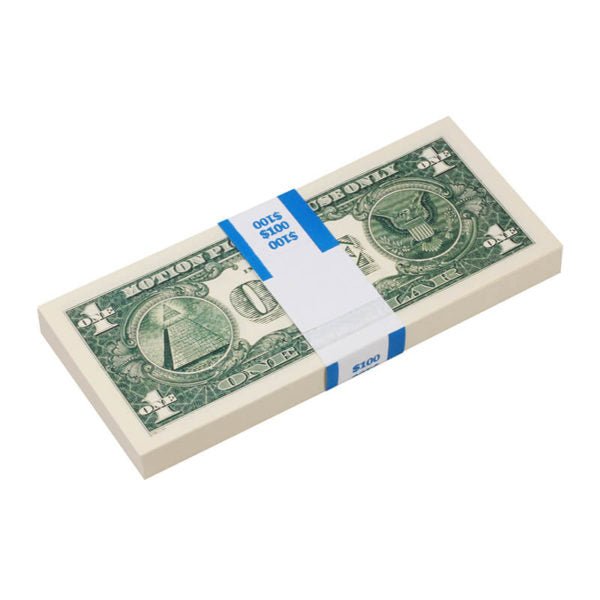
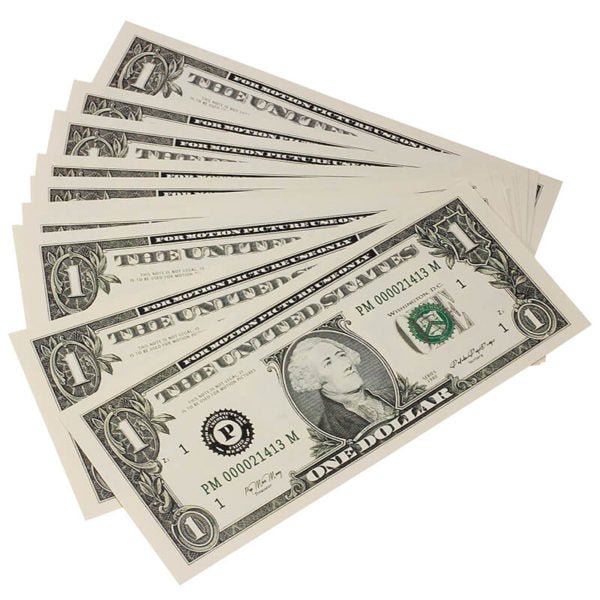
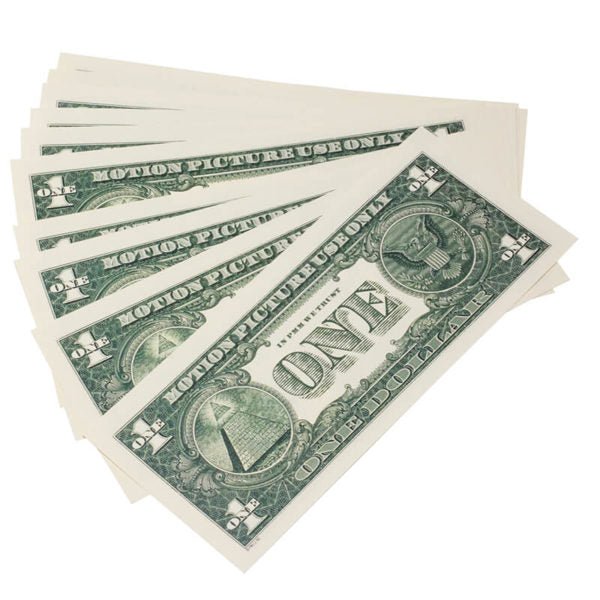
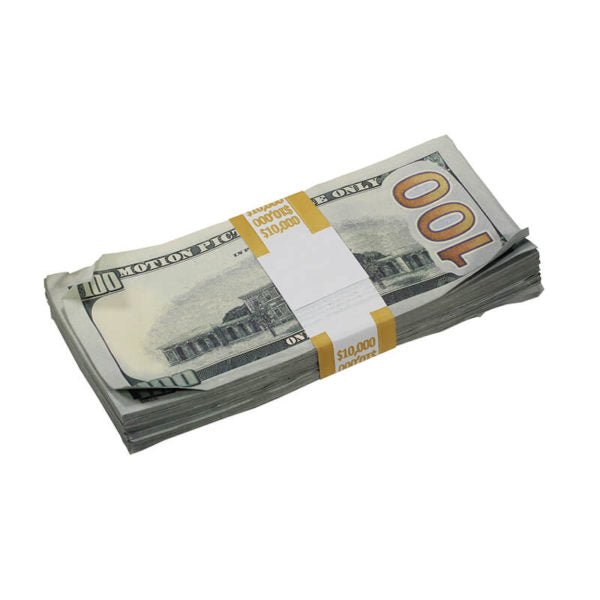
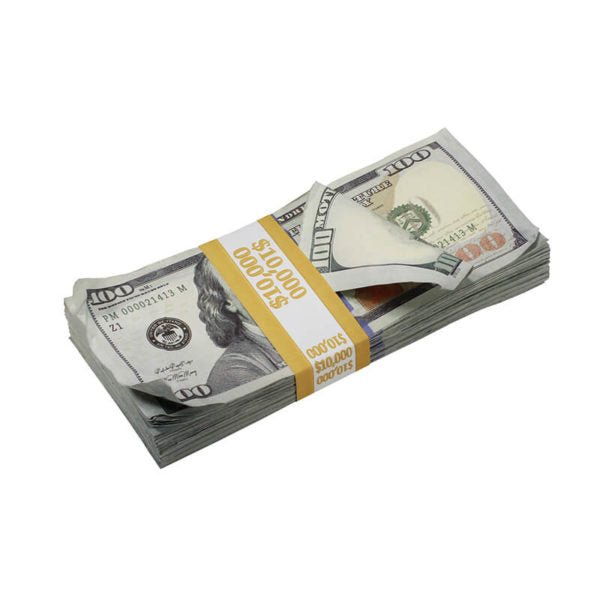
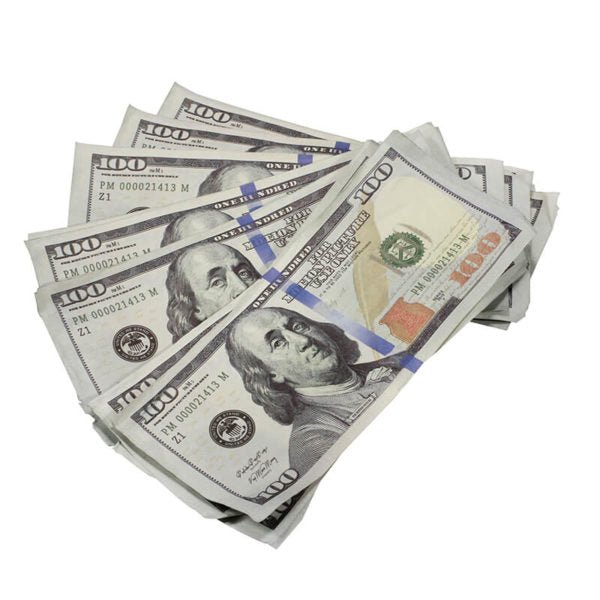
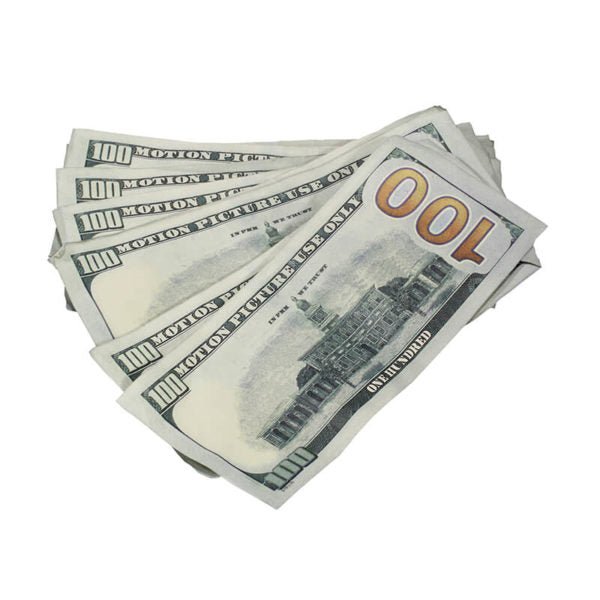
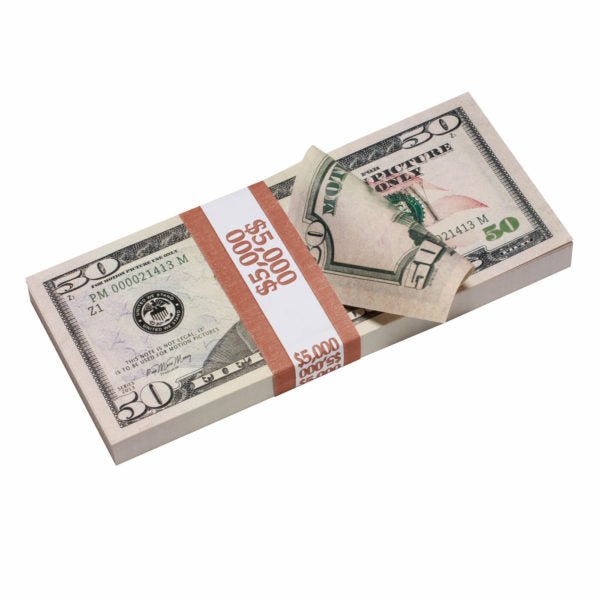
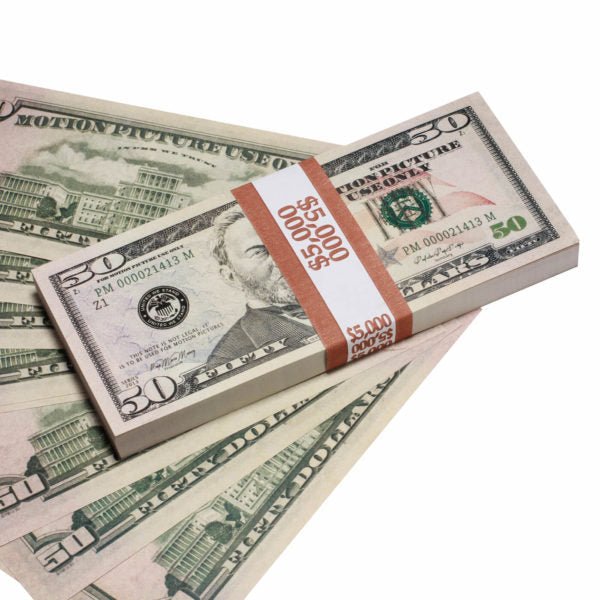
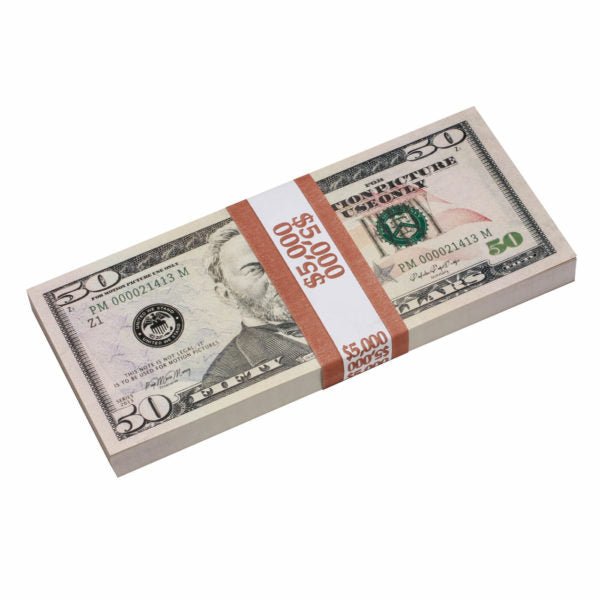
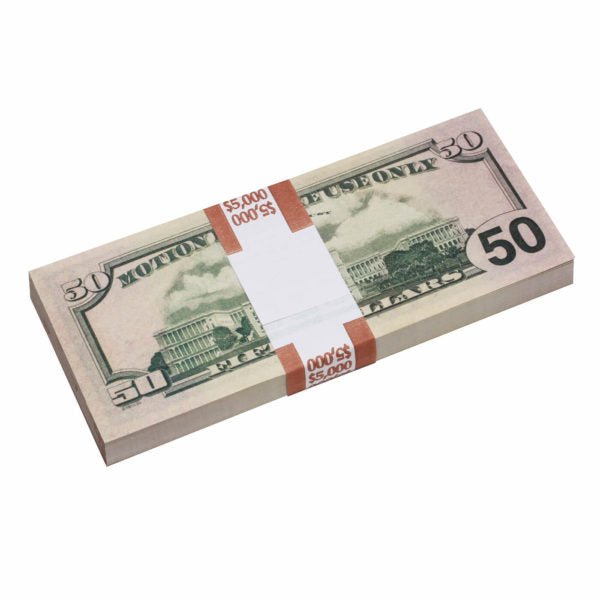
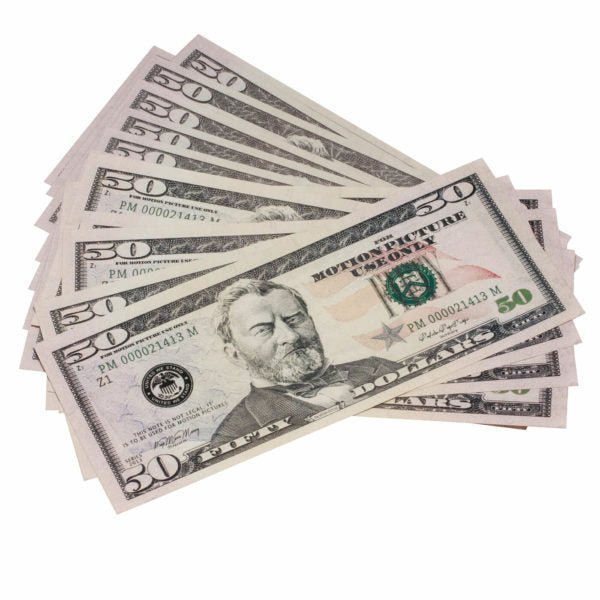
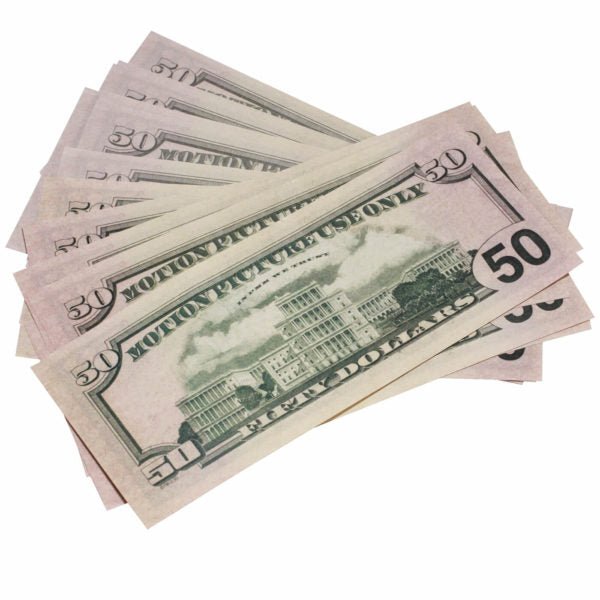
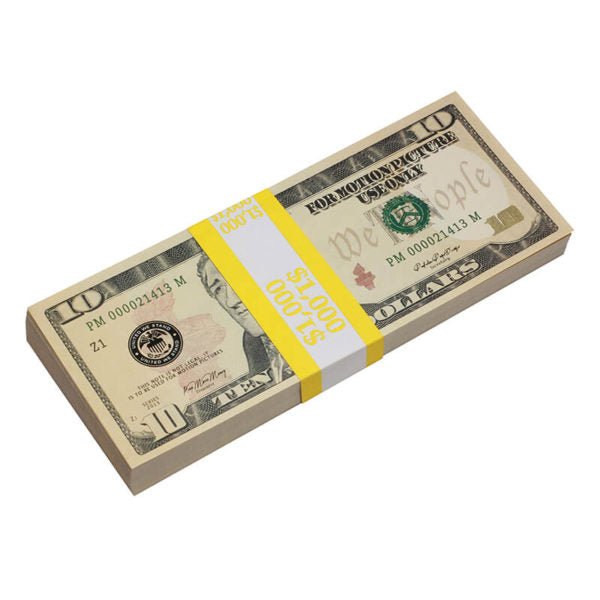
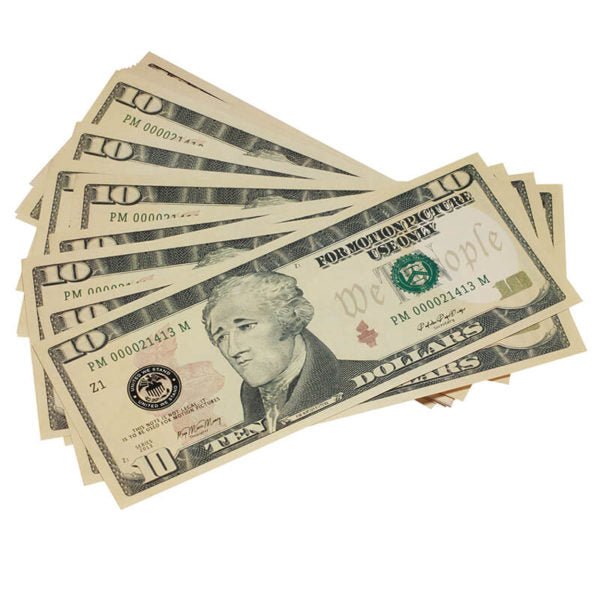
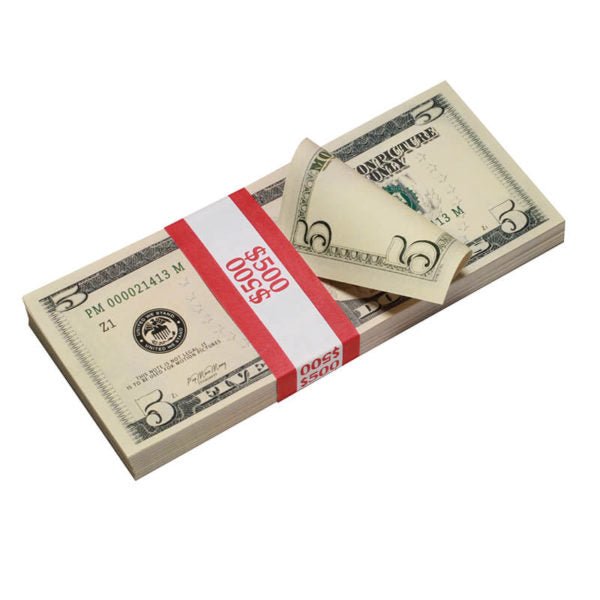
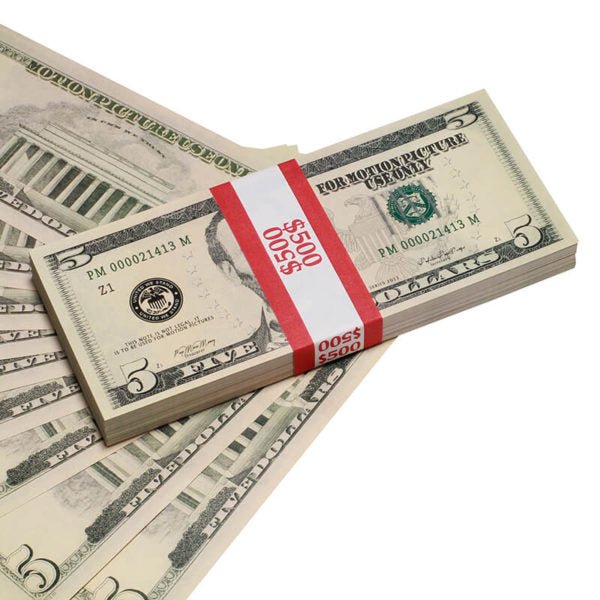
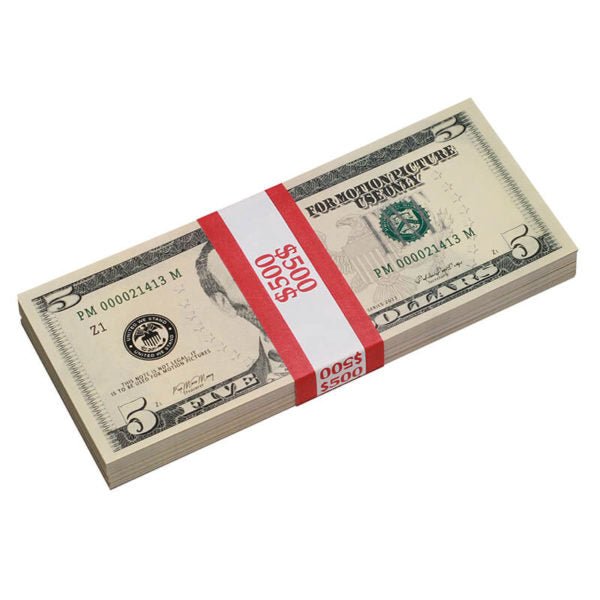
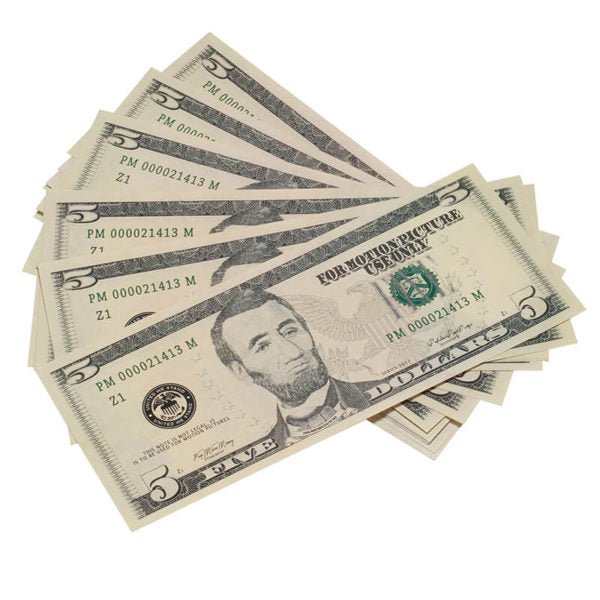
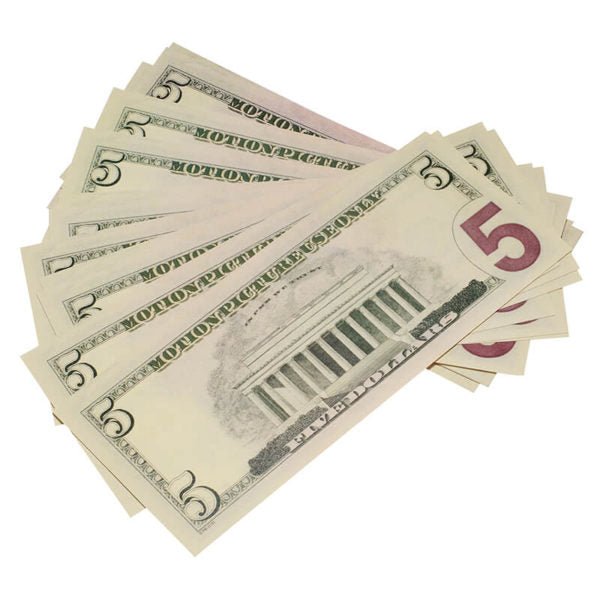
Prop money — also called movie prop money, fake money for film, or motion picture money — is currency designed specifically for use on camera. It is intentionally manufactured to look realistic on screen while being legally distinct from real U.S. currency. The key word here is legally. Authentic-looking fake money that is indistinguishable from real bills is considered counterfeit under federal law, which means buying or using it can result in serious criminal charges. Reputable suppliers like Prop Movie Money produce bills that are visually convincing on camera but include legally required distinctions — such as different faces, altered serial numbers, and markings like "FOR MOTION PICTURE USE ONLY" — so that filmmakers are fully protected.
Why You Can't Just Use Real Money (Or Print Your Own)
Many first-time filmmakers assume they can simply borrow cash from the ATM, use it on camera, and hand it back. Others think printing their own bills — or sourcing cheap fakes online — is a smart budget move. Both approaches carry significant risks:
-
Using real money on set creates chain-of-custody issues and opens your production to theft.
-
Printing your own fake bills — even for film — can violate federal counterfeiting laws (18 U.S.C. § 474).
-
Buying prop money from unvetted sellers who produce overly realistic bills can lead to Secret Service involvement and set shutdowns.
-
Low-quality prop money often has large, obvious "FAKE" markings that destroy the visual credibility of your scene.
The solution is sourcing prop money from a trusted, compliant supplier that has worked directly with U.S. law enforcement to develop production-ready bills that are camera-realistic but legally safe.
The Two Main Types of Prop Money
When shopping for prop money, you'll encounter two primary formats:
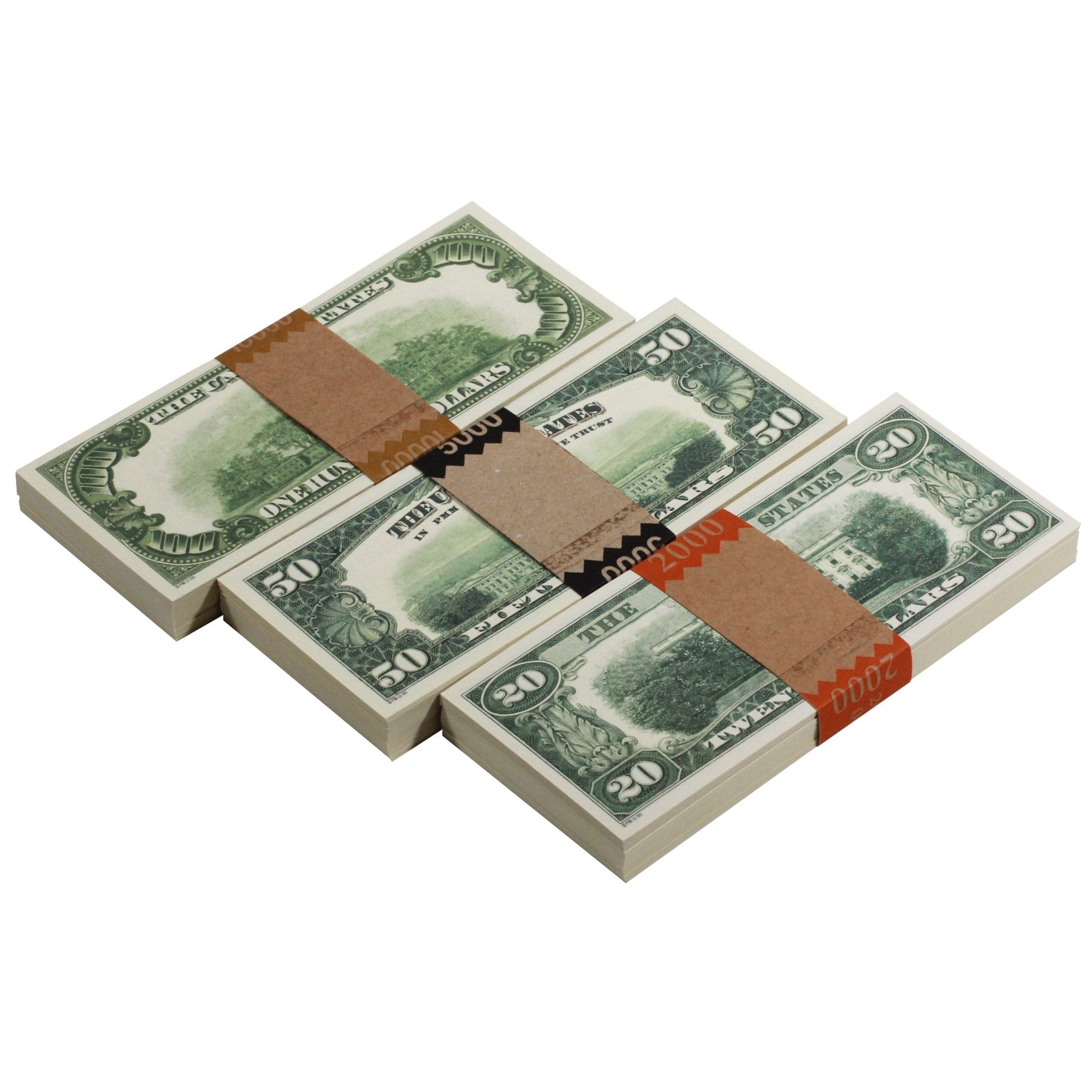
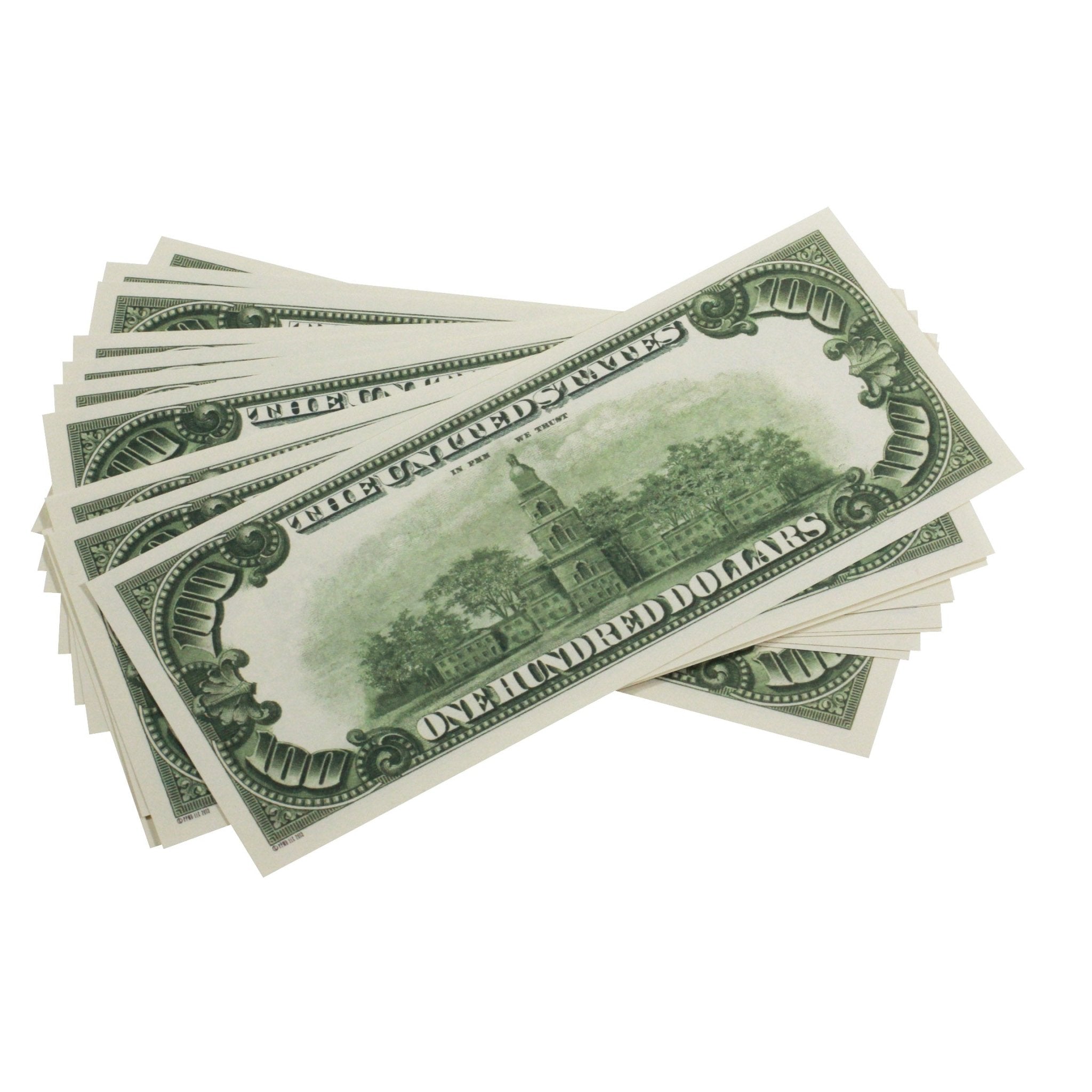
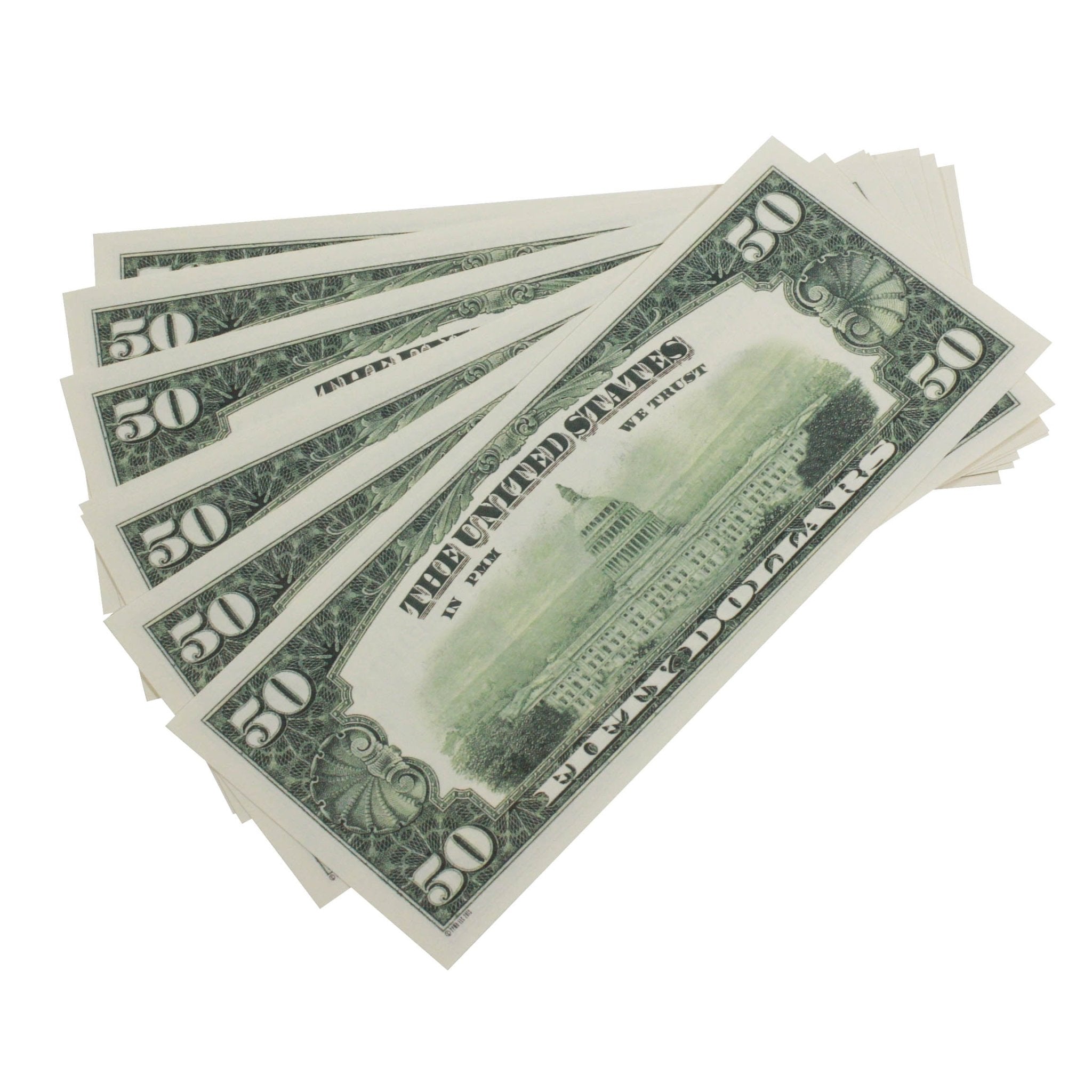
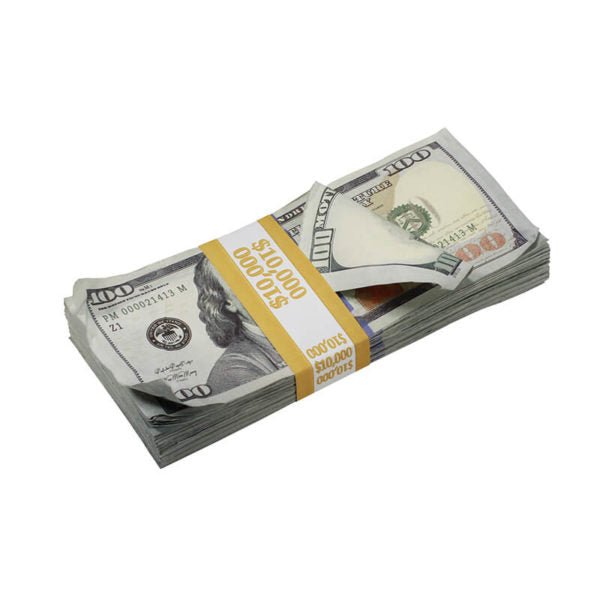
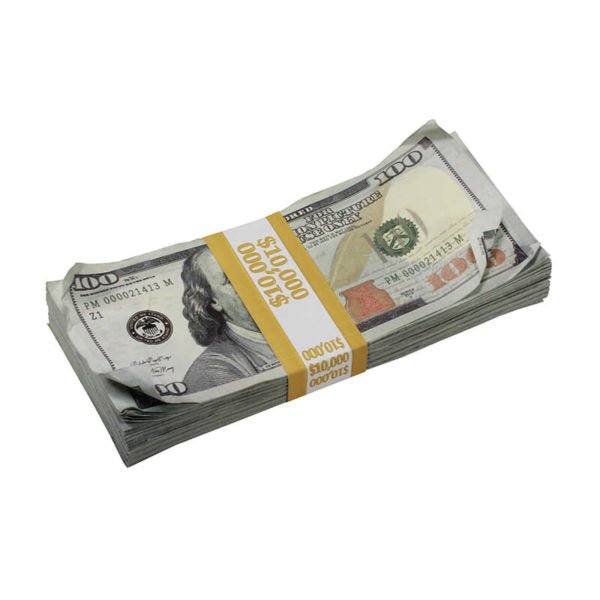
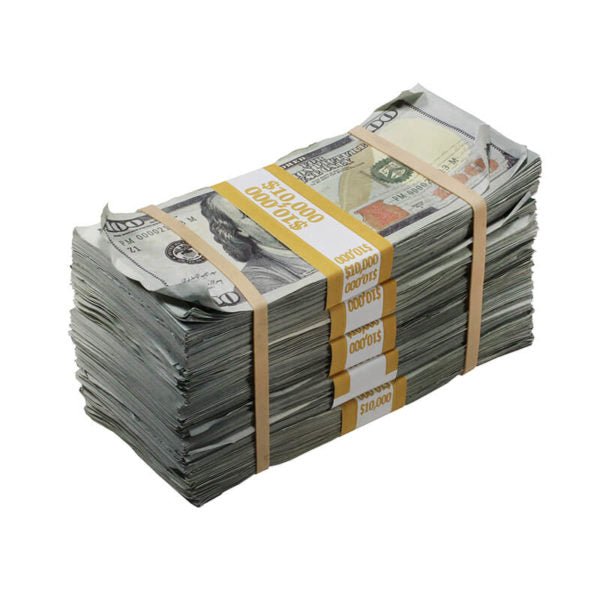
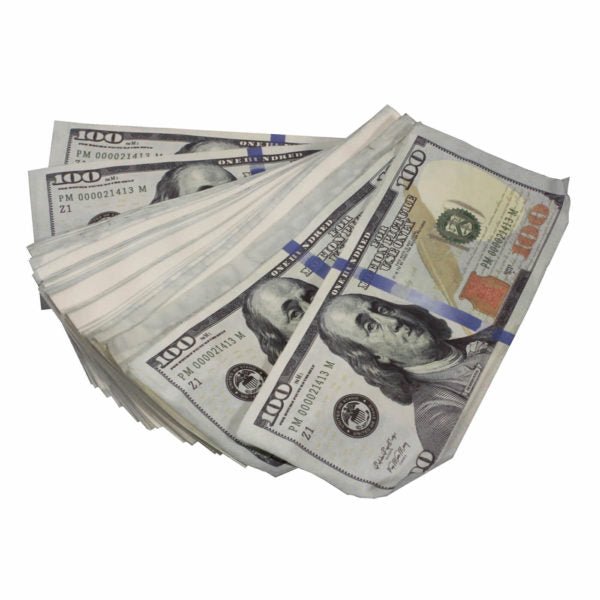
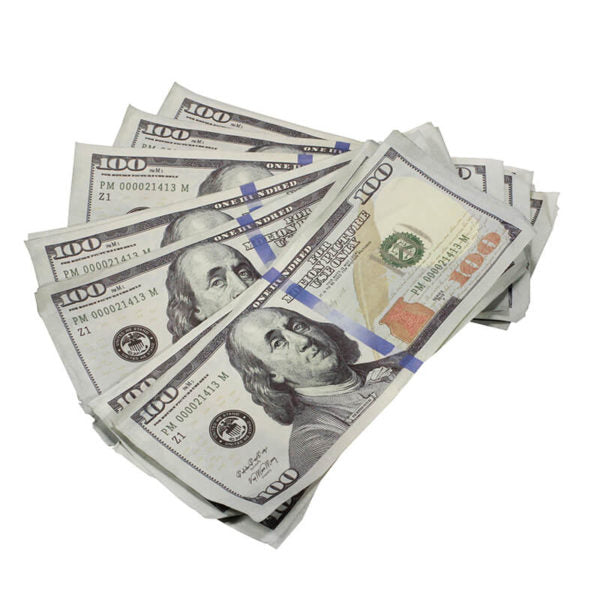
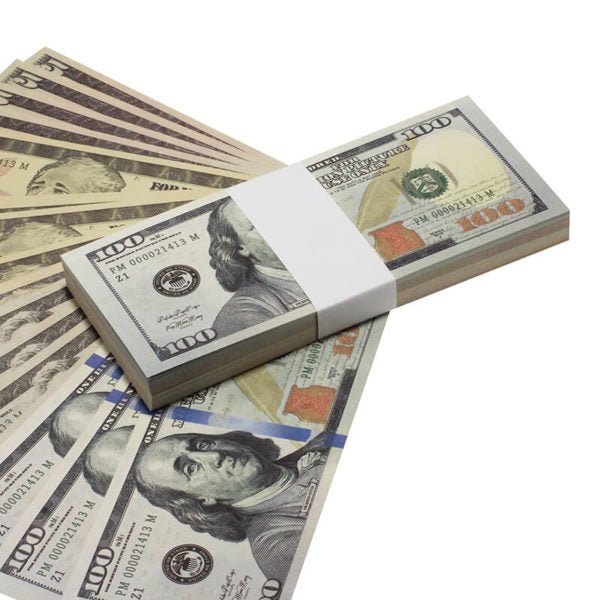
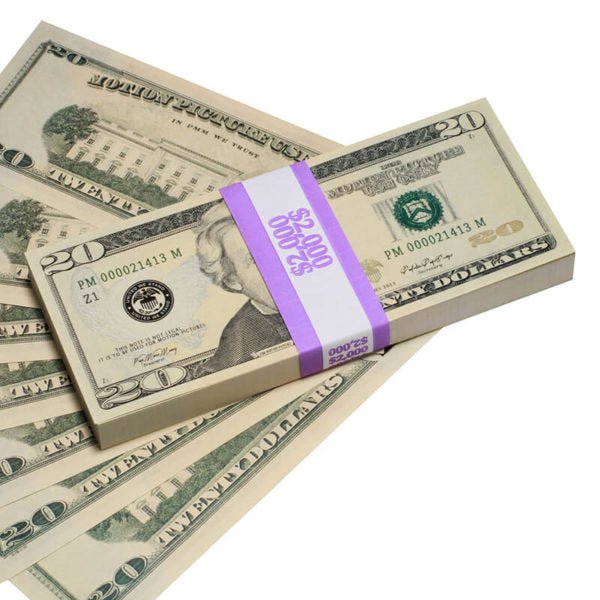
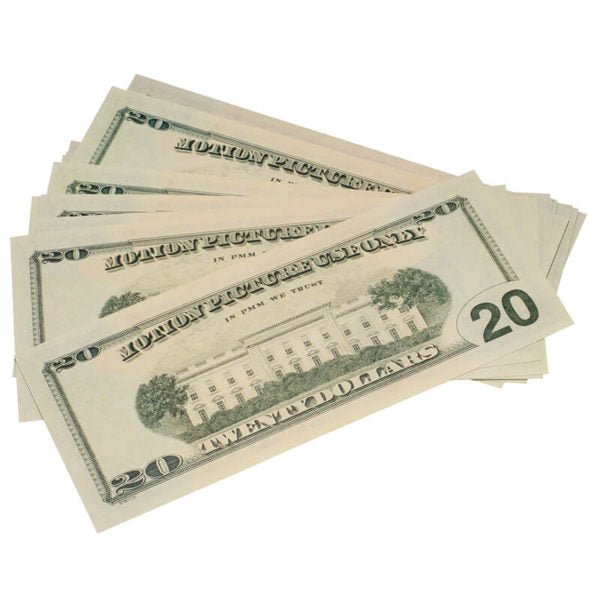
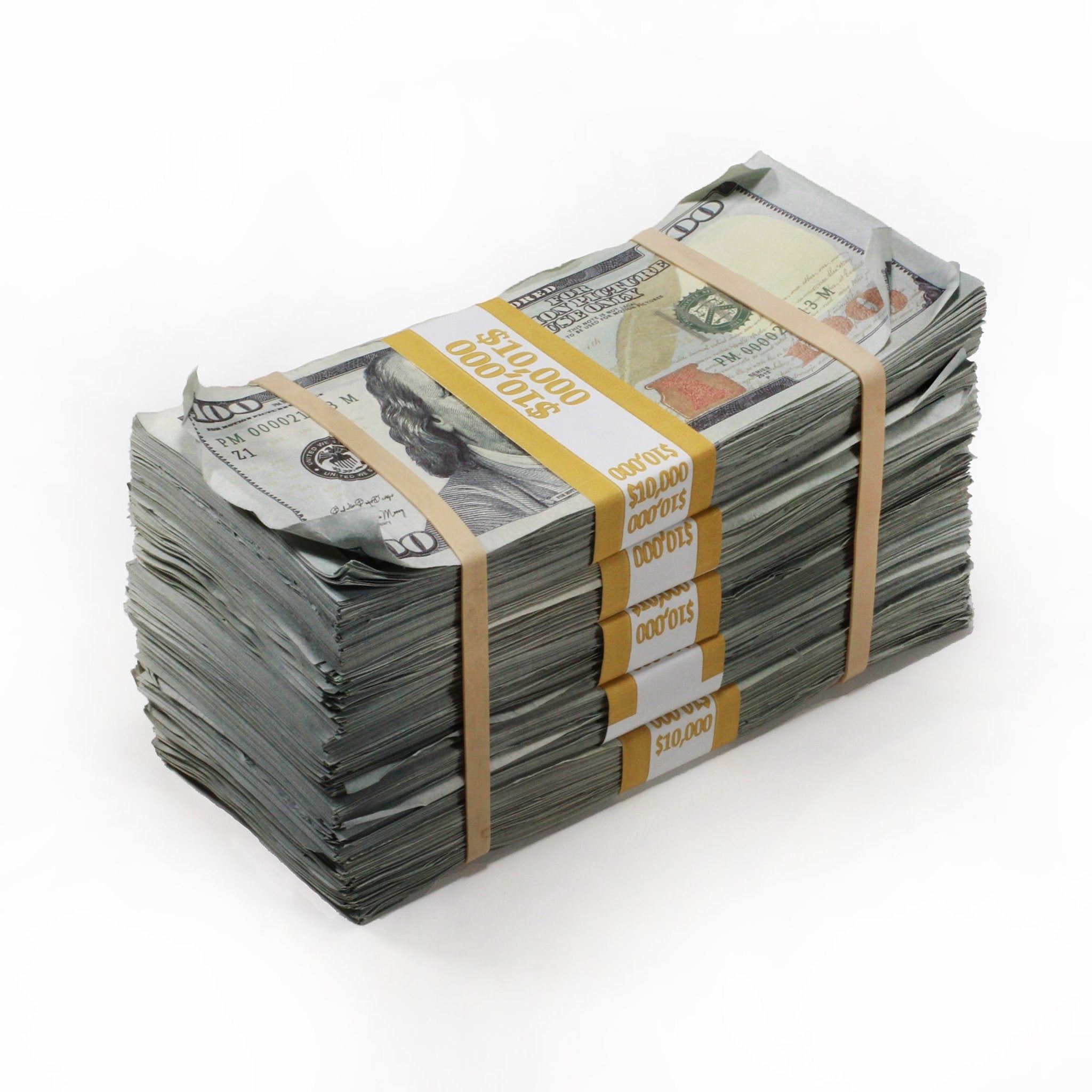
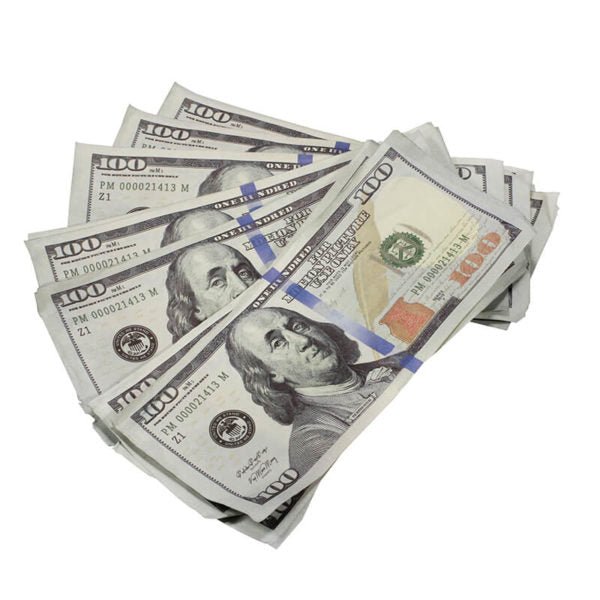
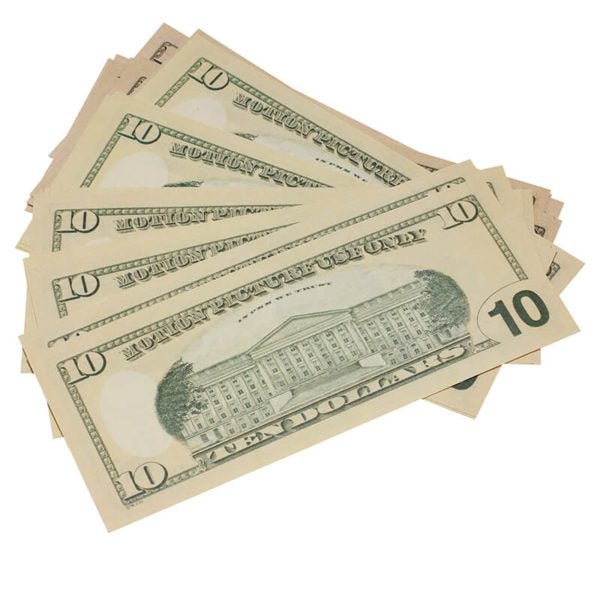
Every bill in the stack is fully printed on both sides. This is ideal for scenes where cash needs to be counted, fanned, or featured in close-up shots. Full print stacks are perfect for "make it rain" moments, poker scenes, or any situation where individual bills will be visible to the camera.
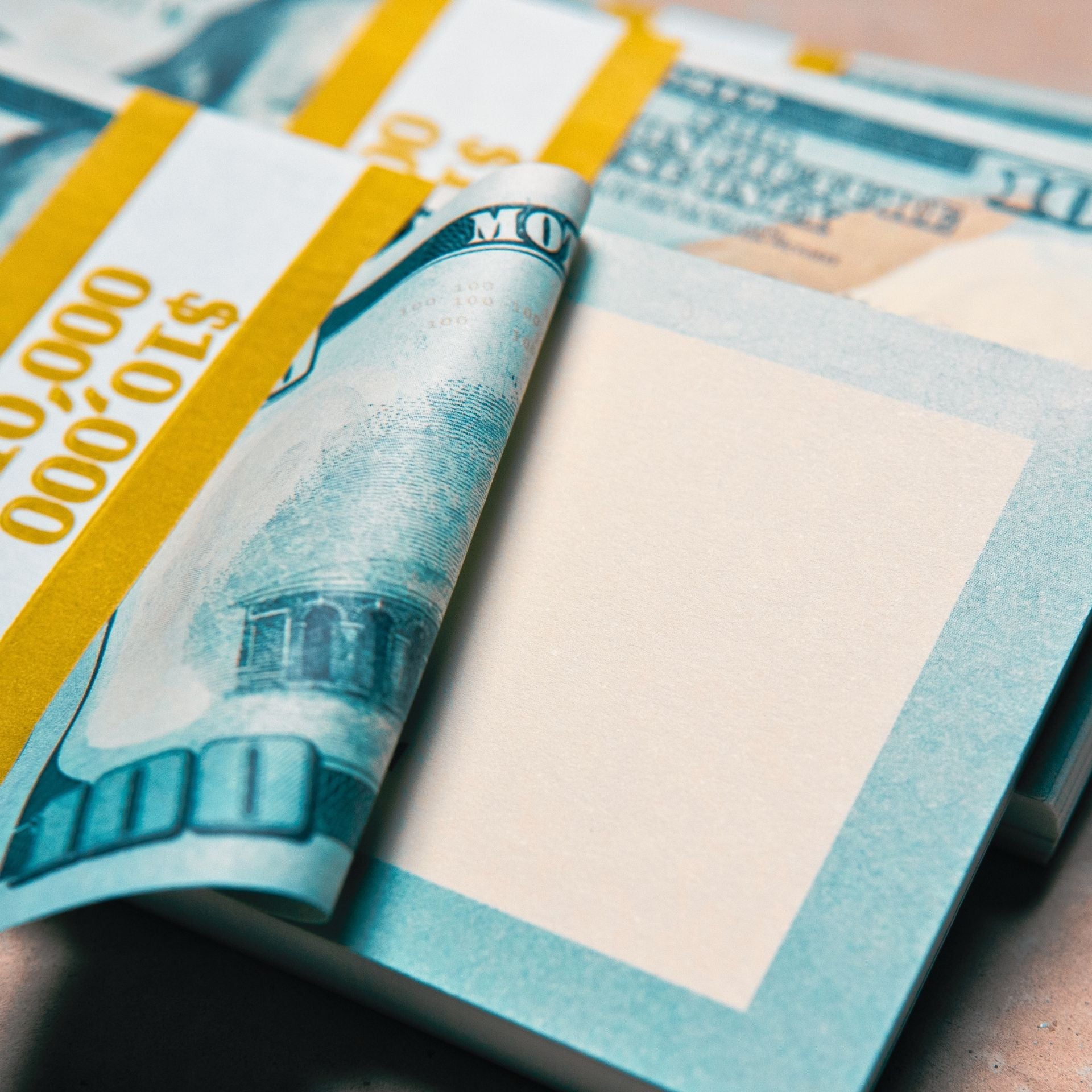
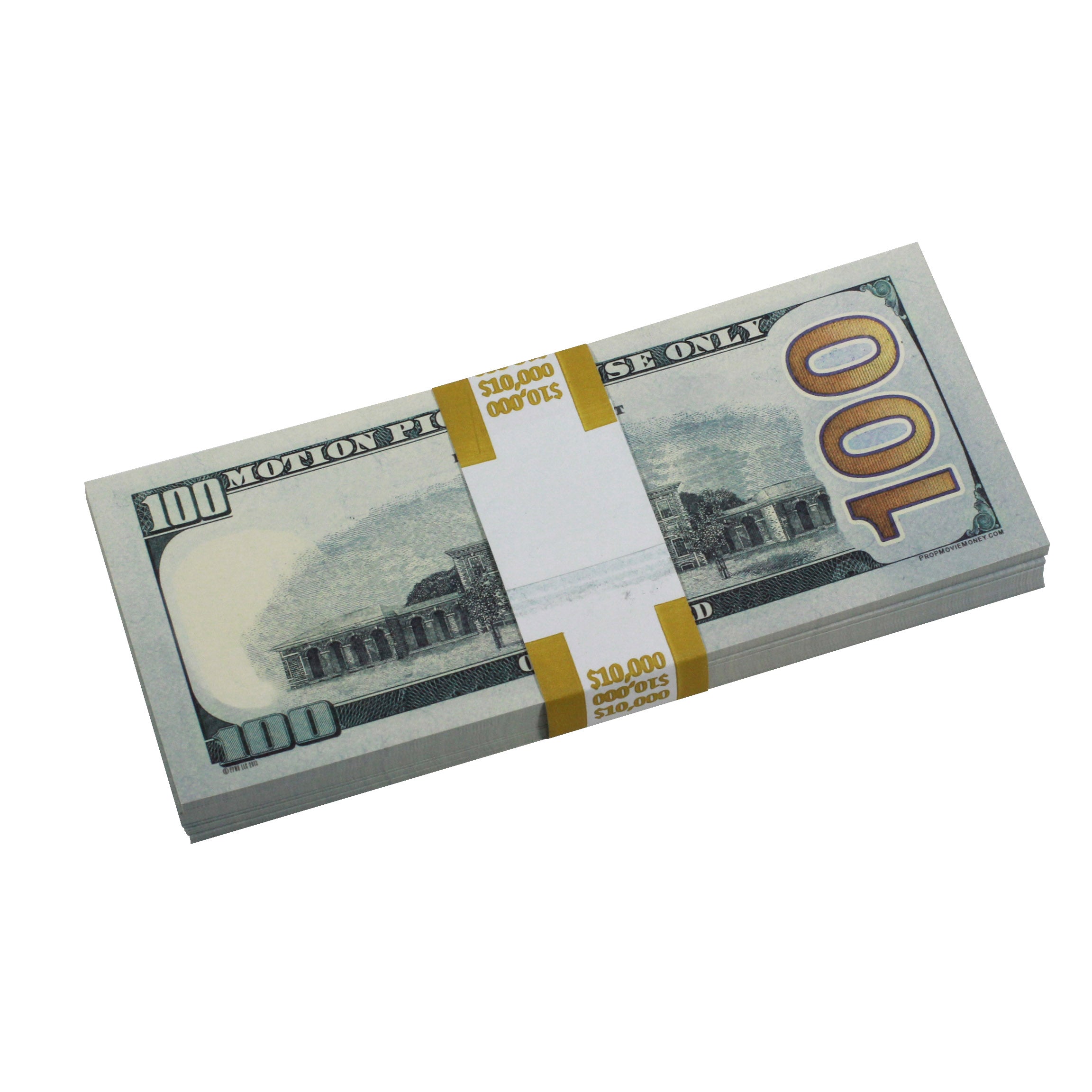
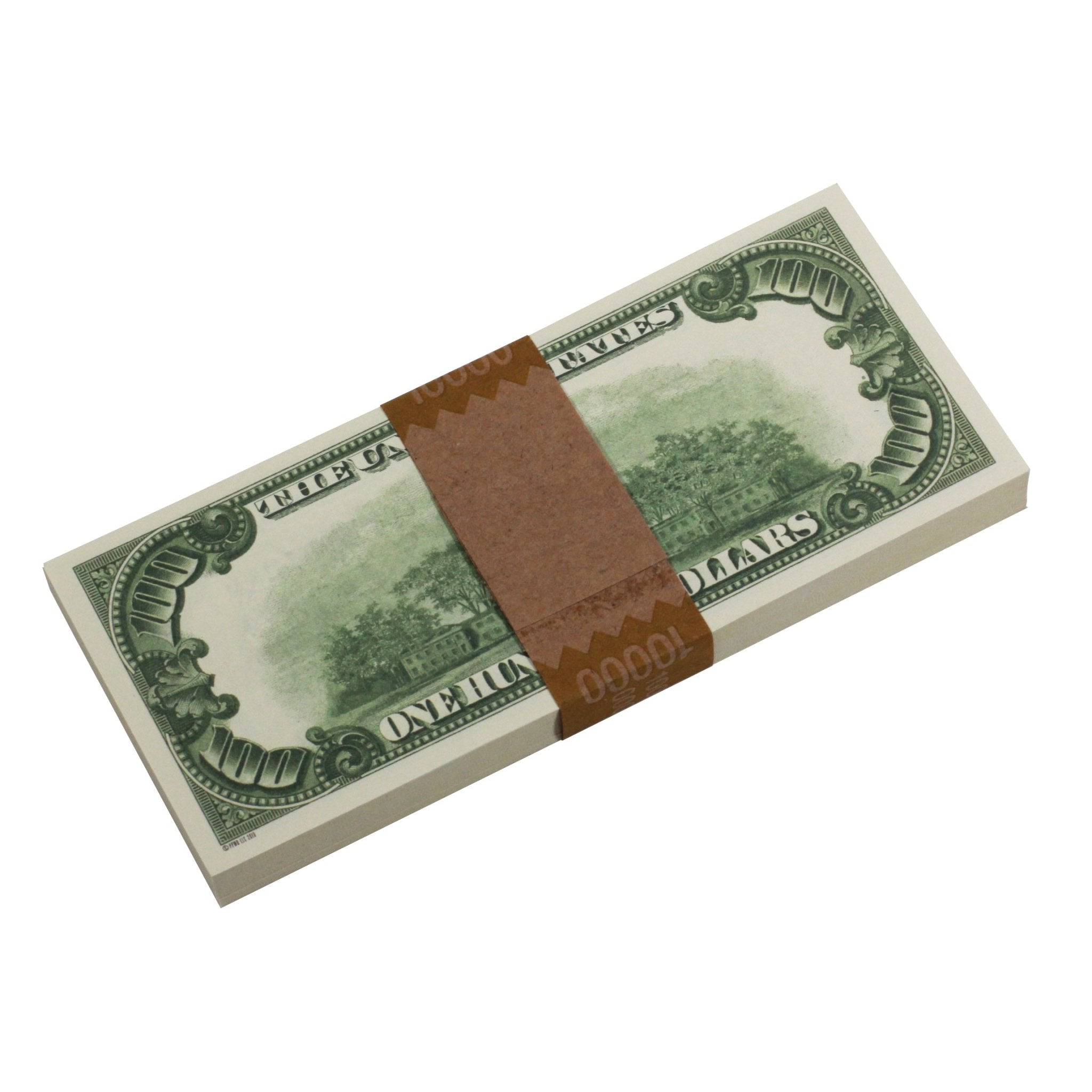
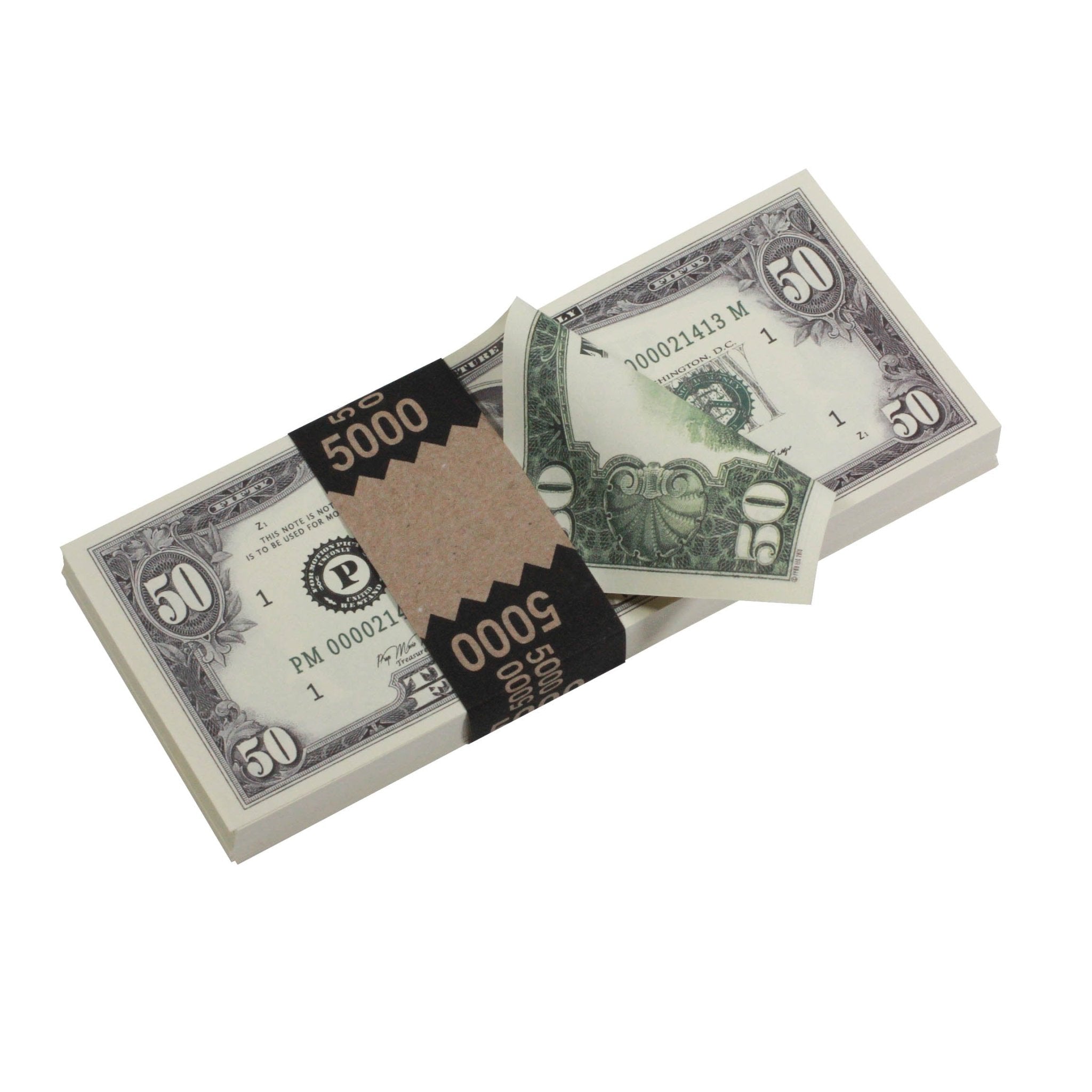
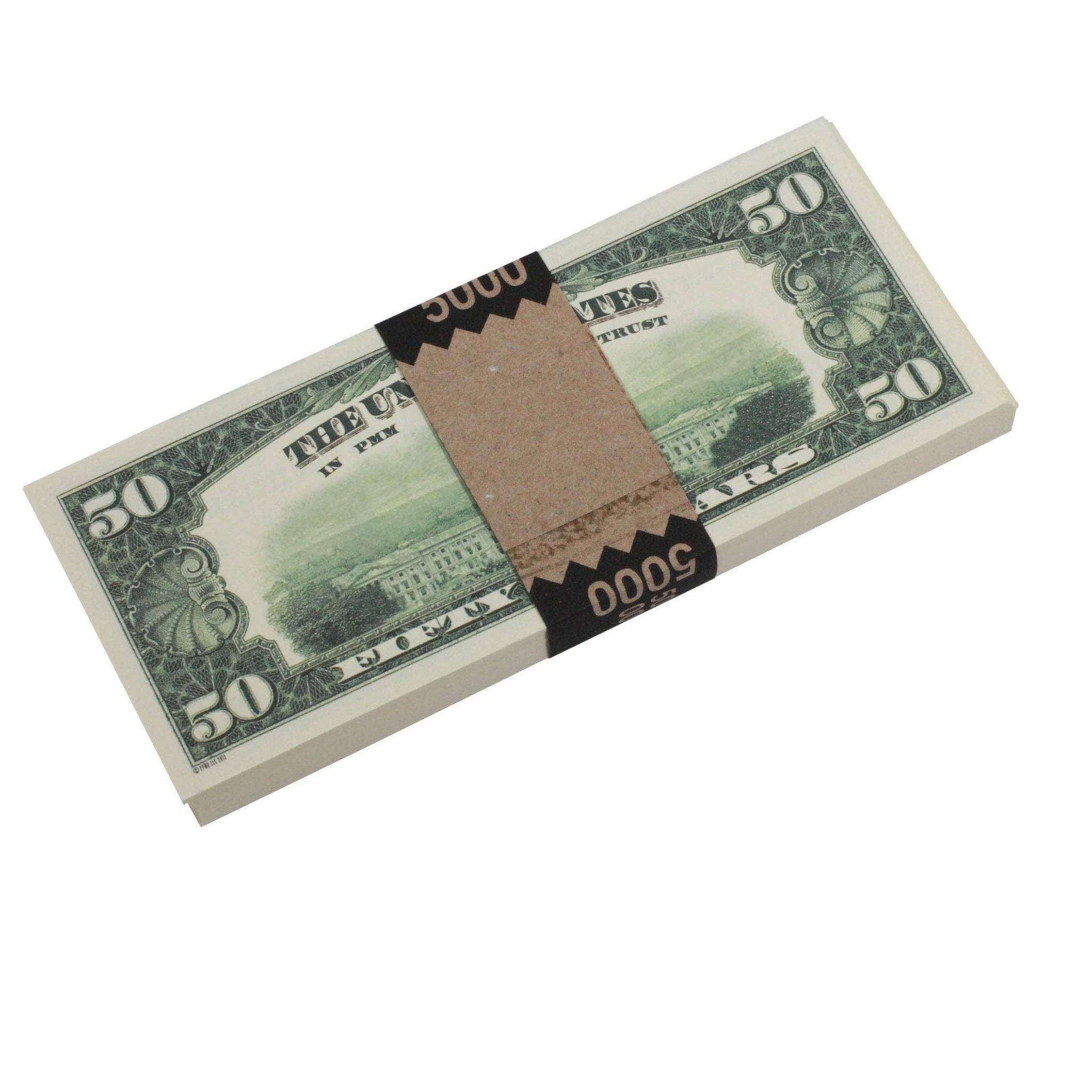
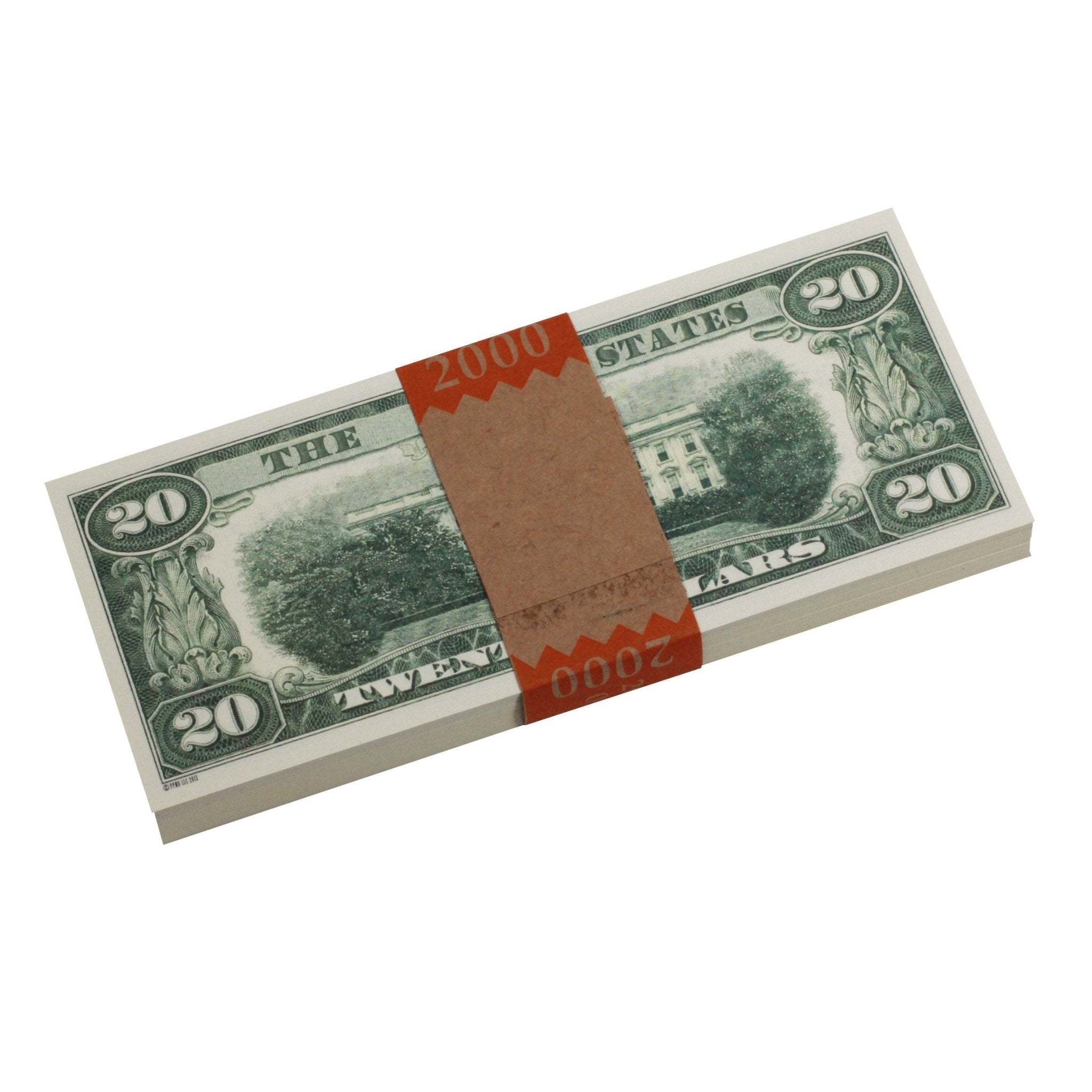
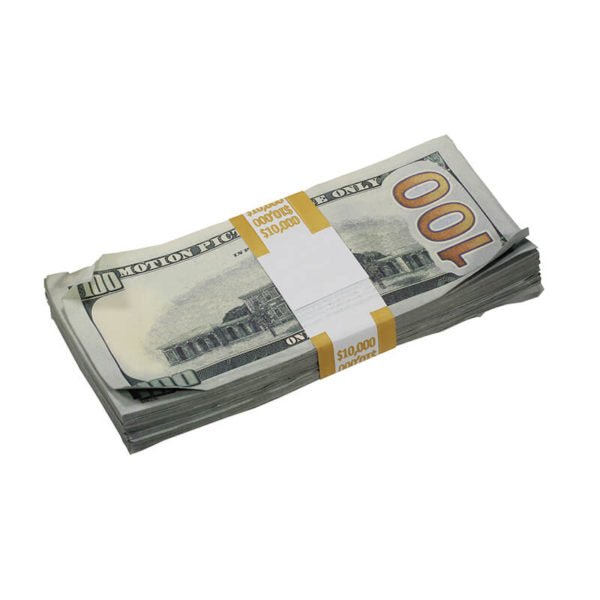
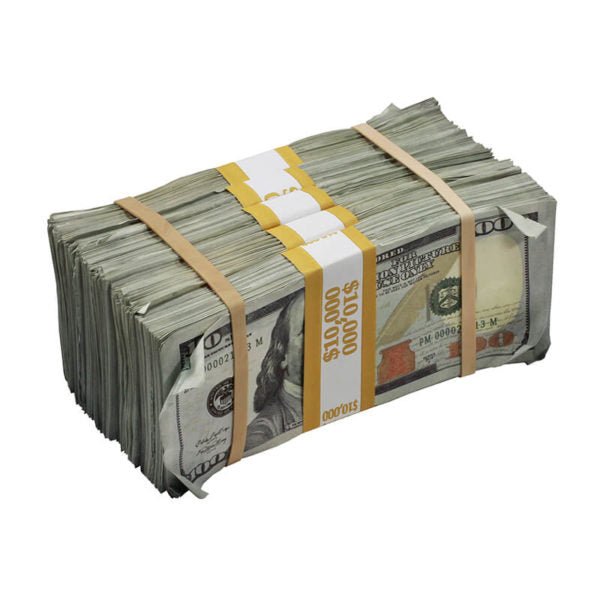
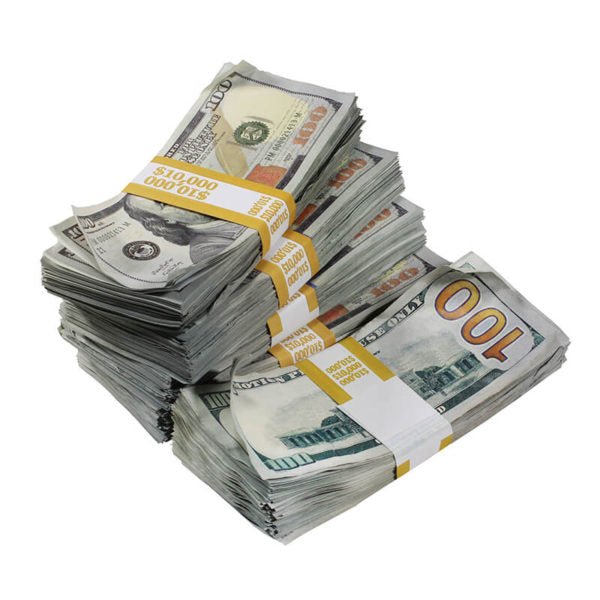
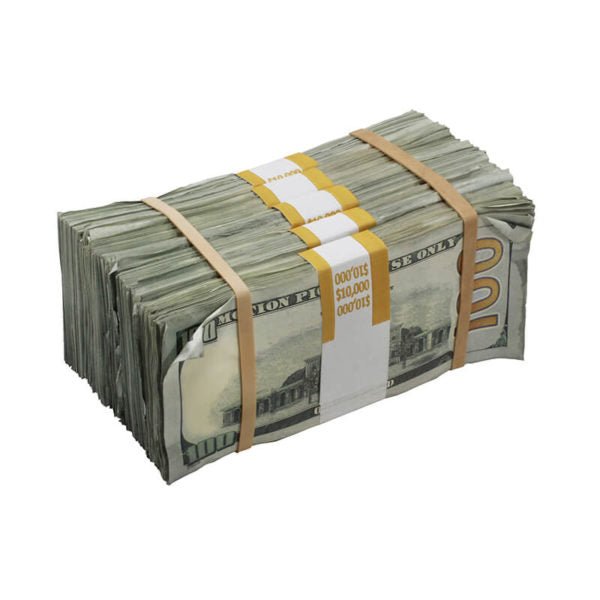
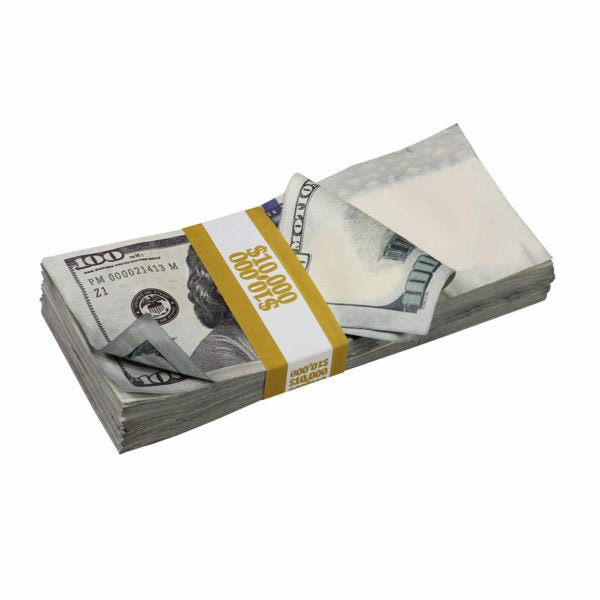
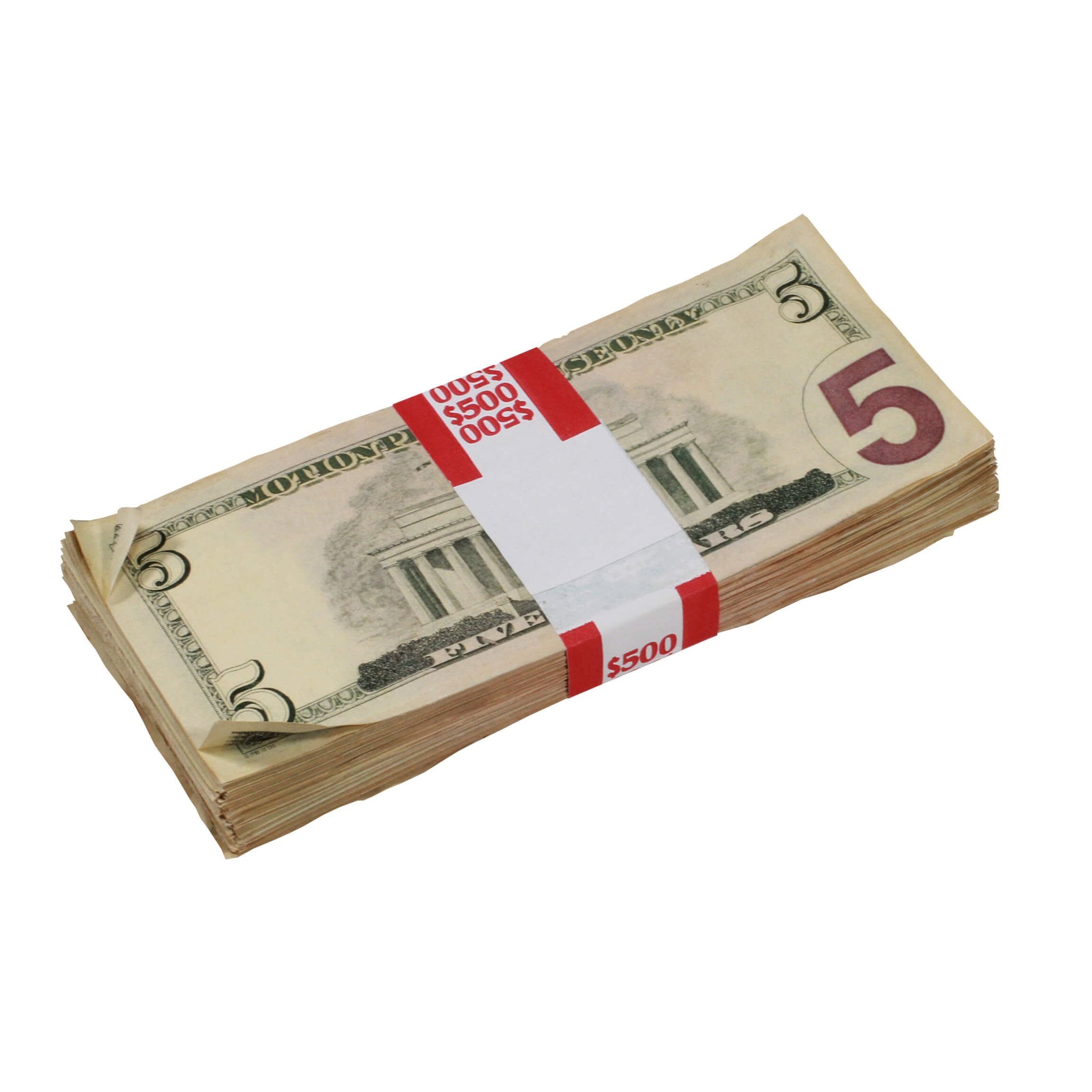
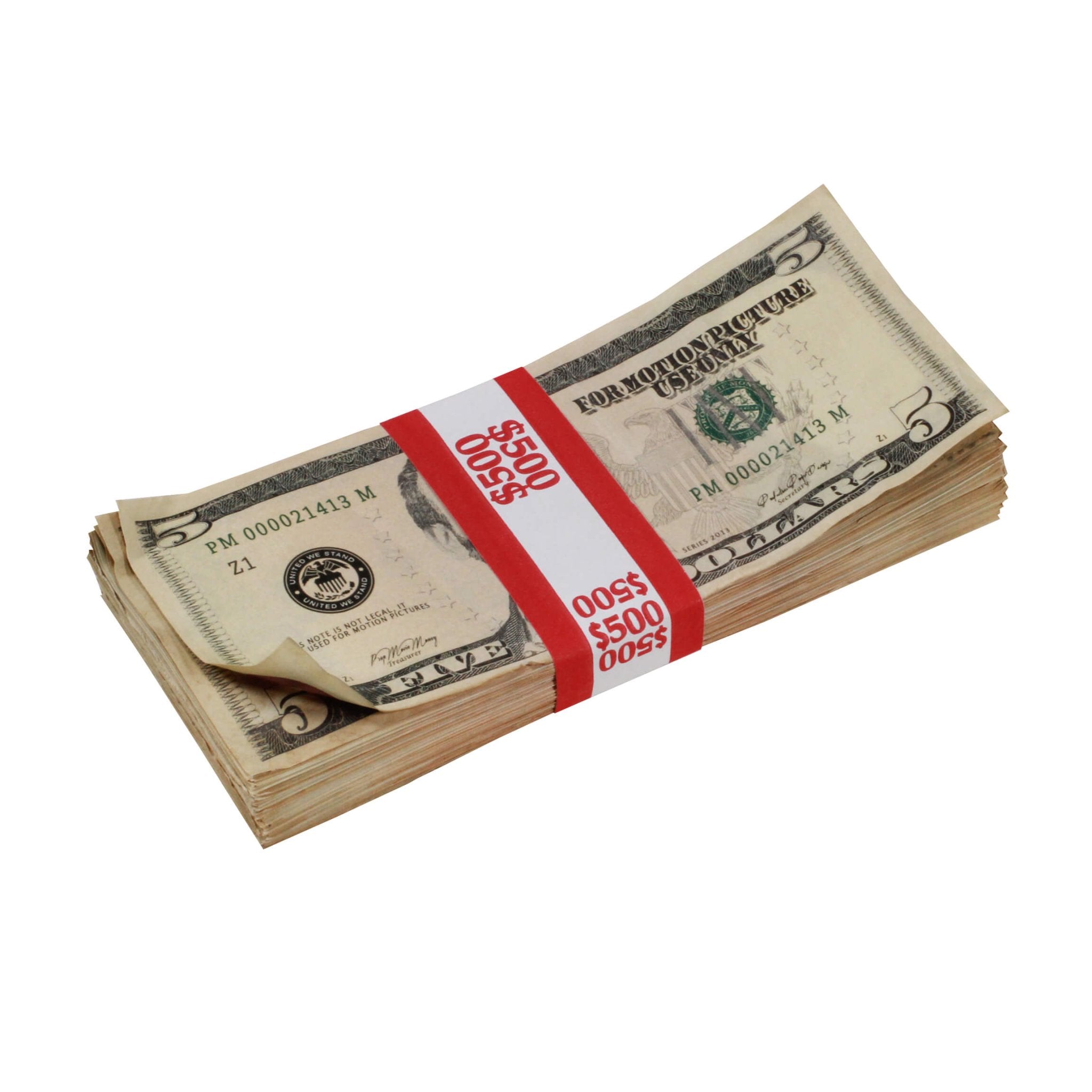
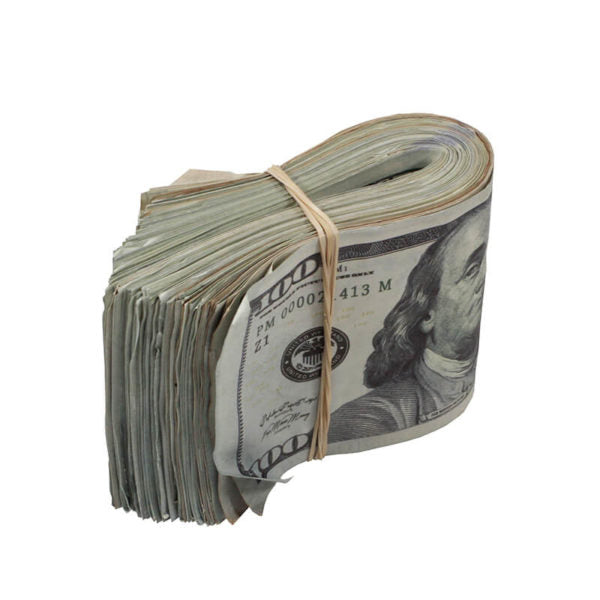
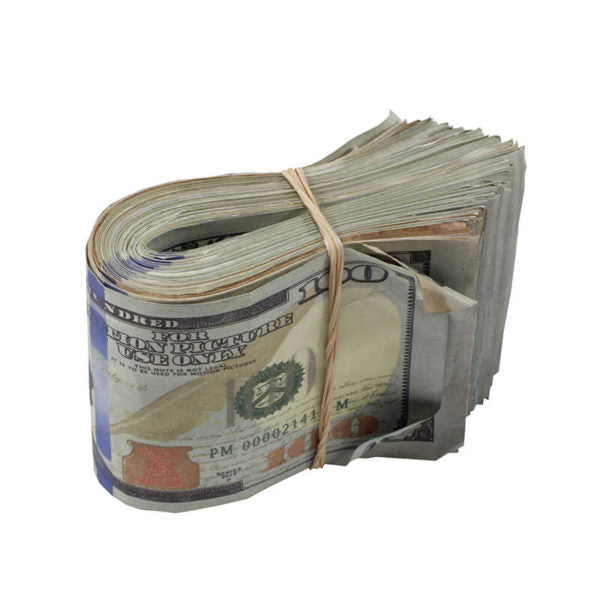
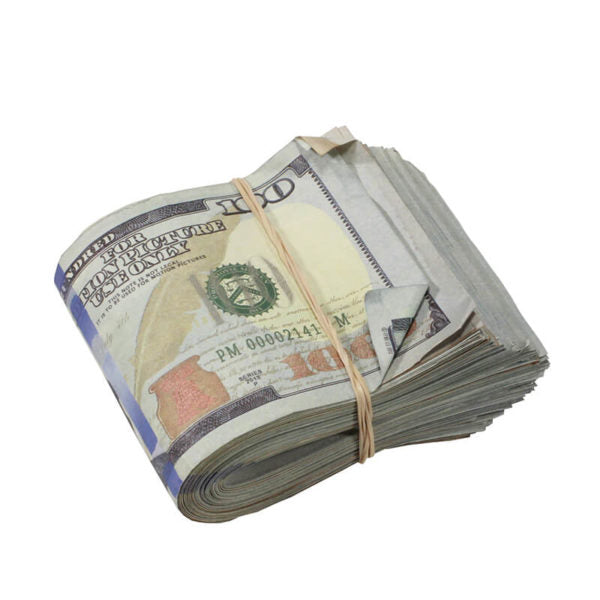
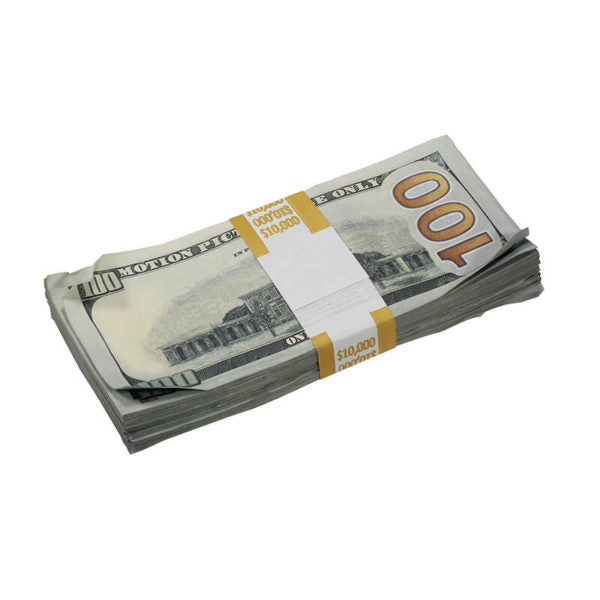
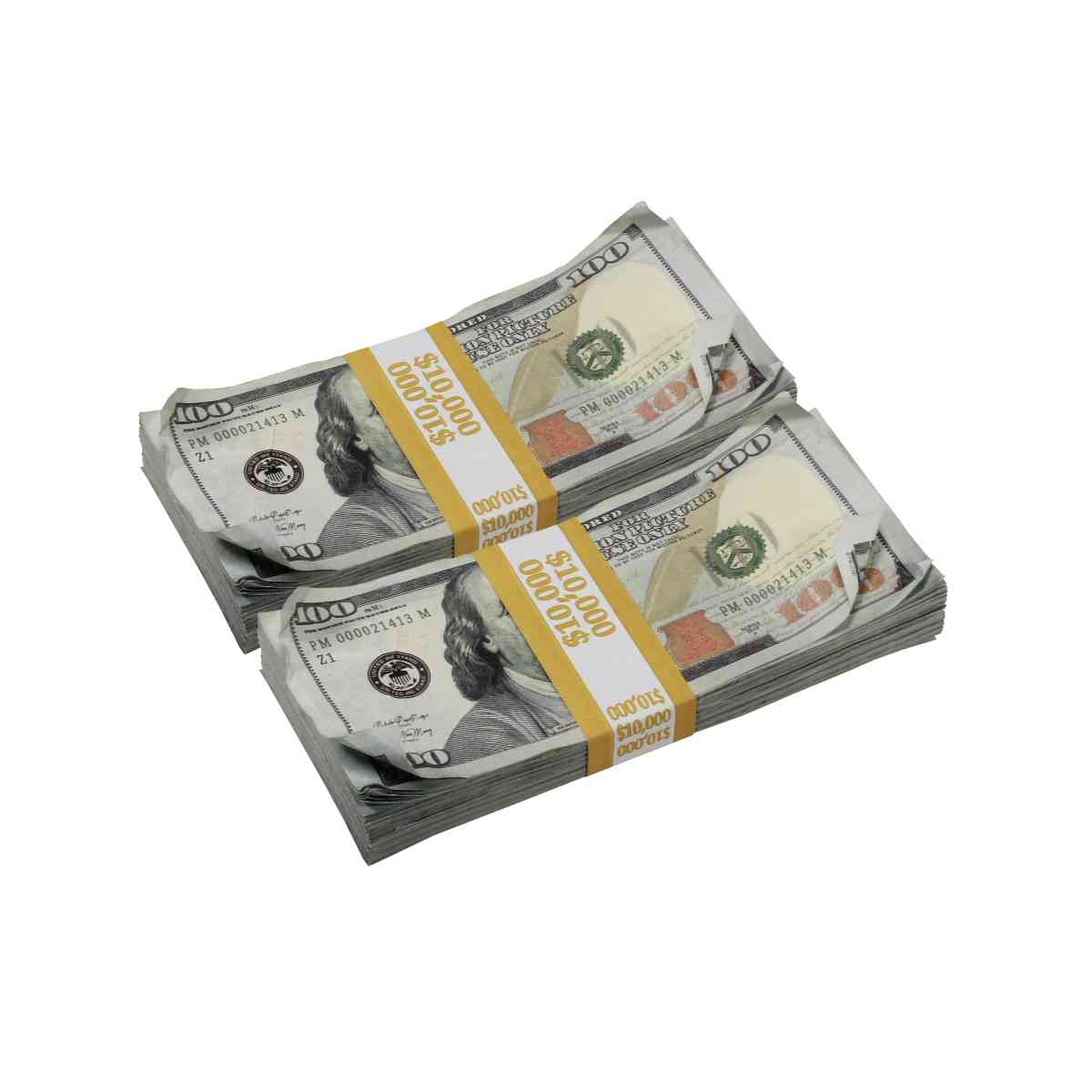
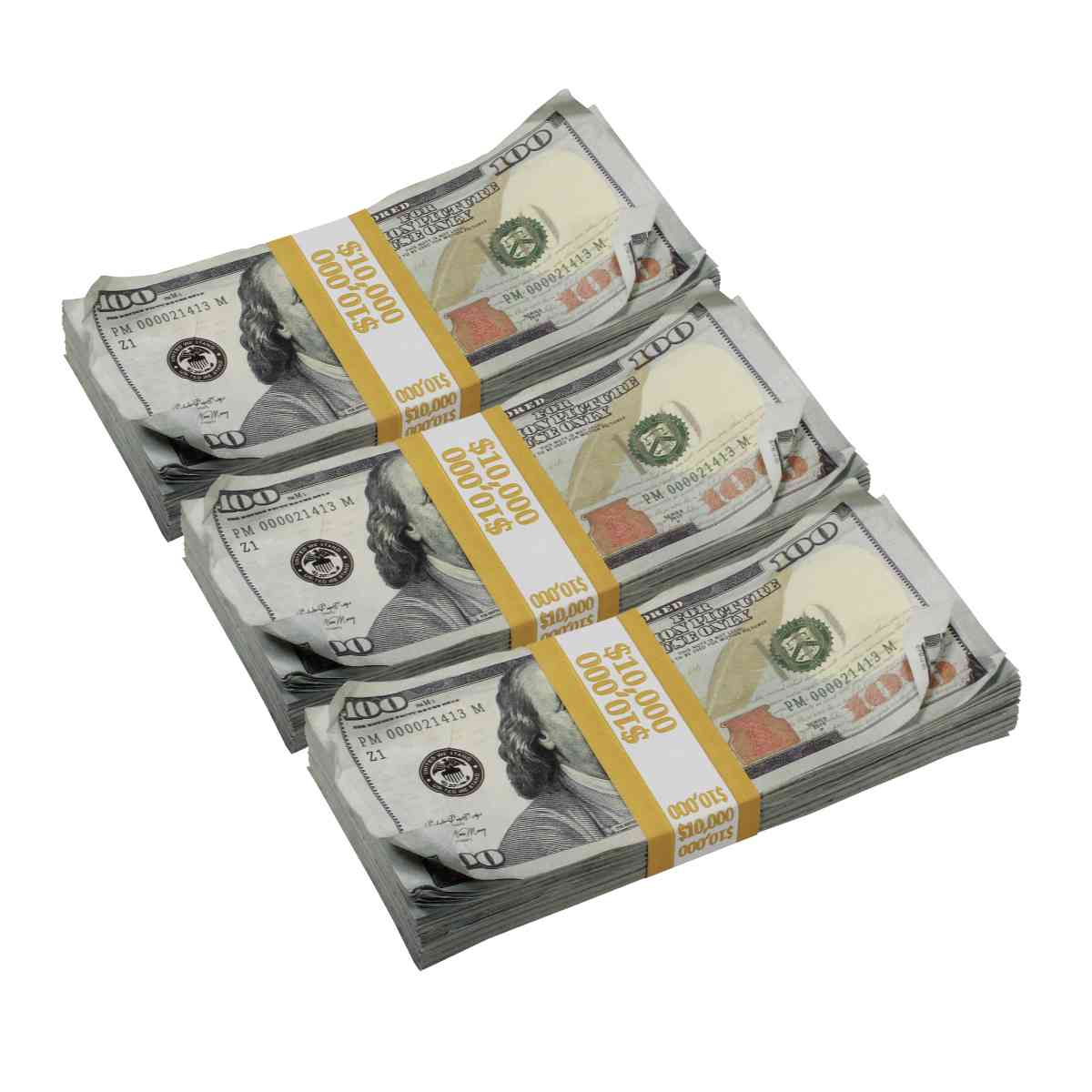
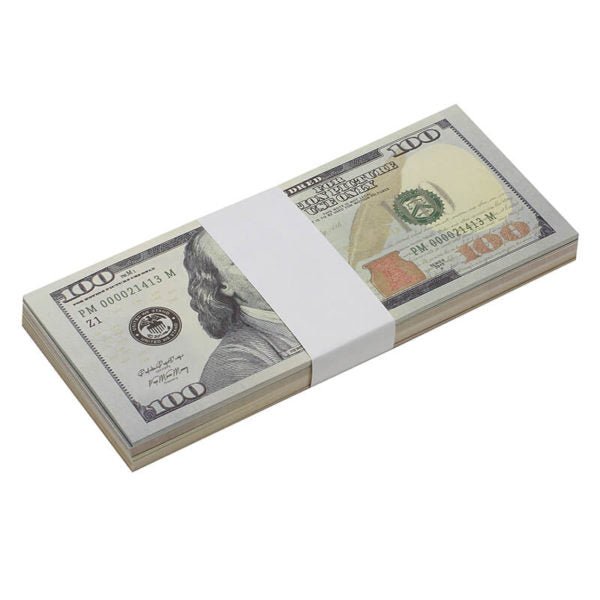
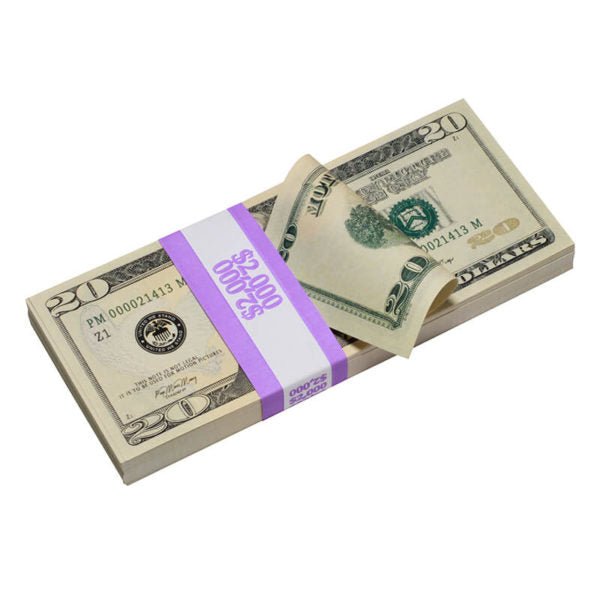
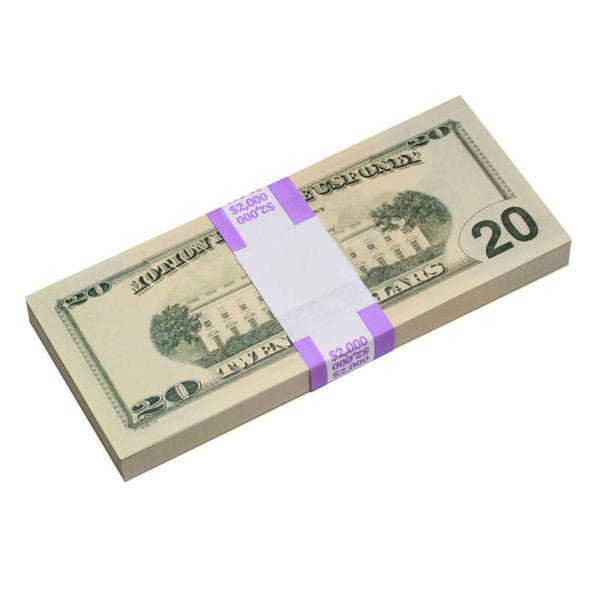
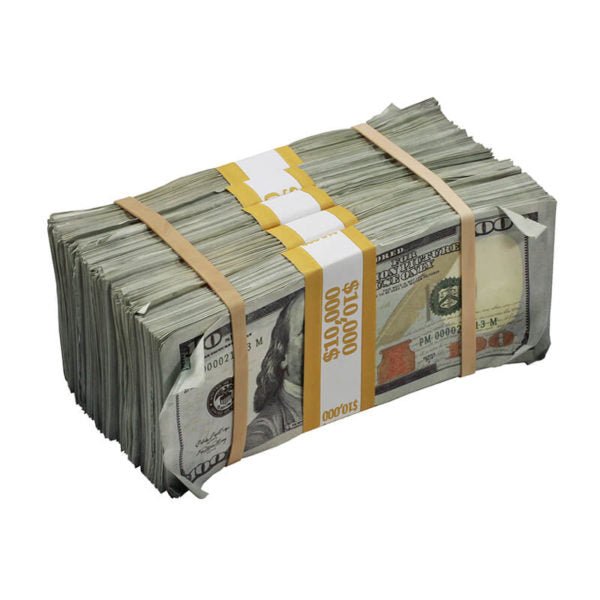
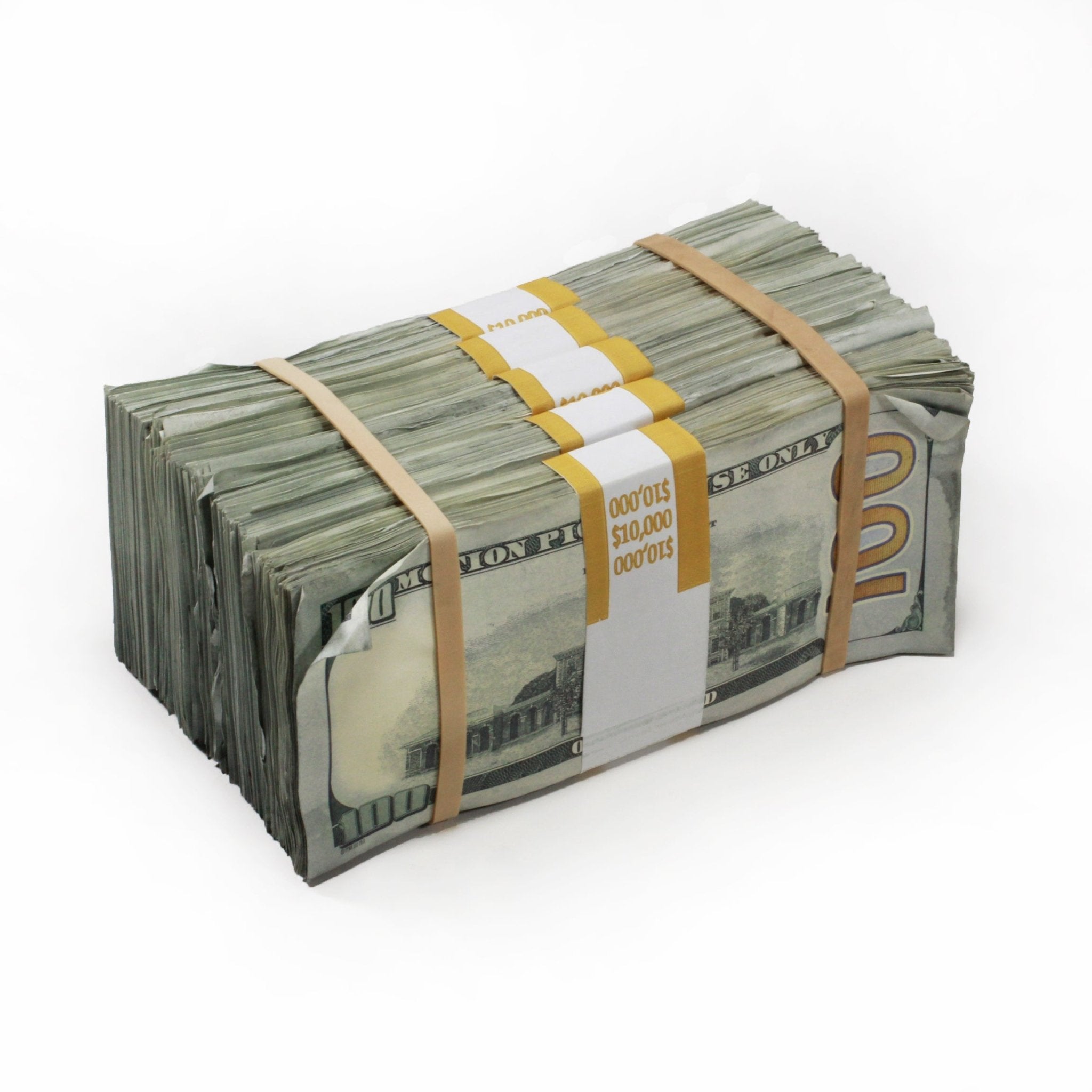
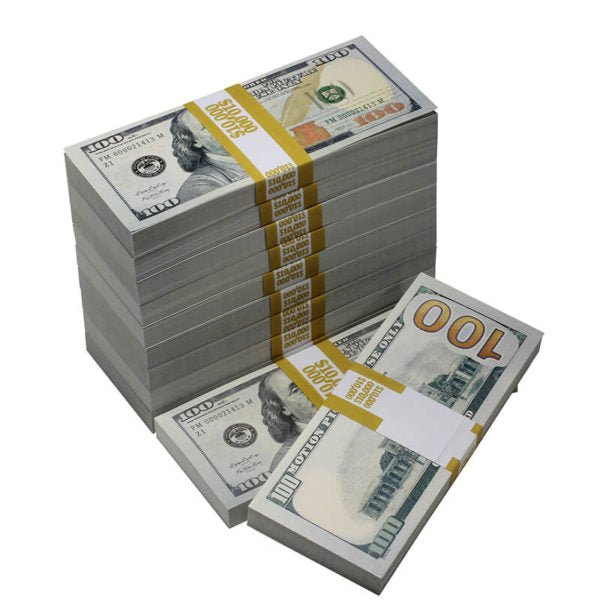
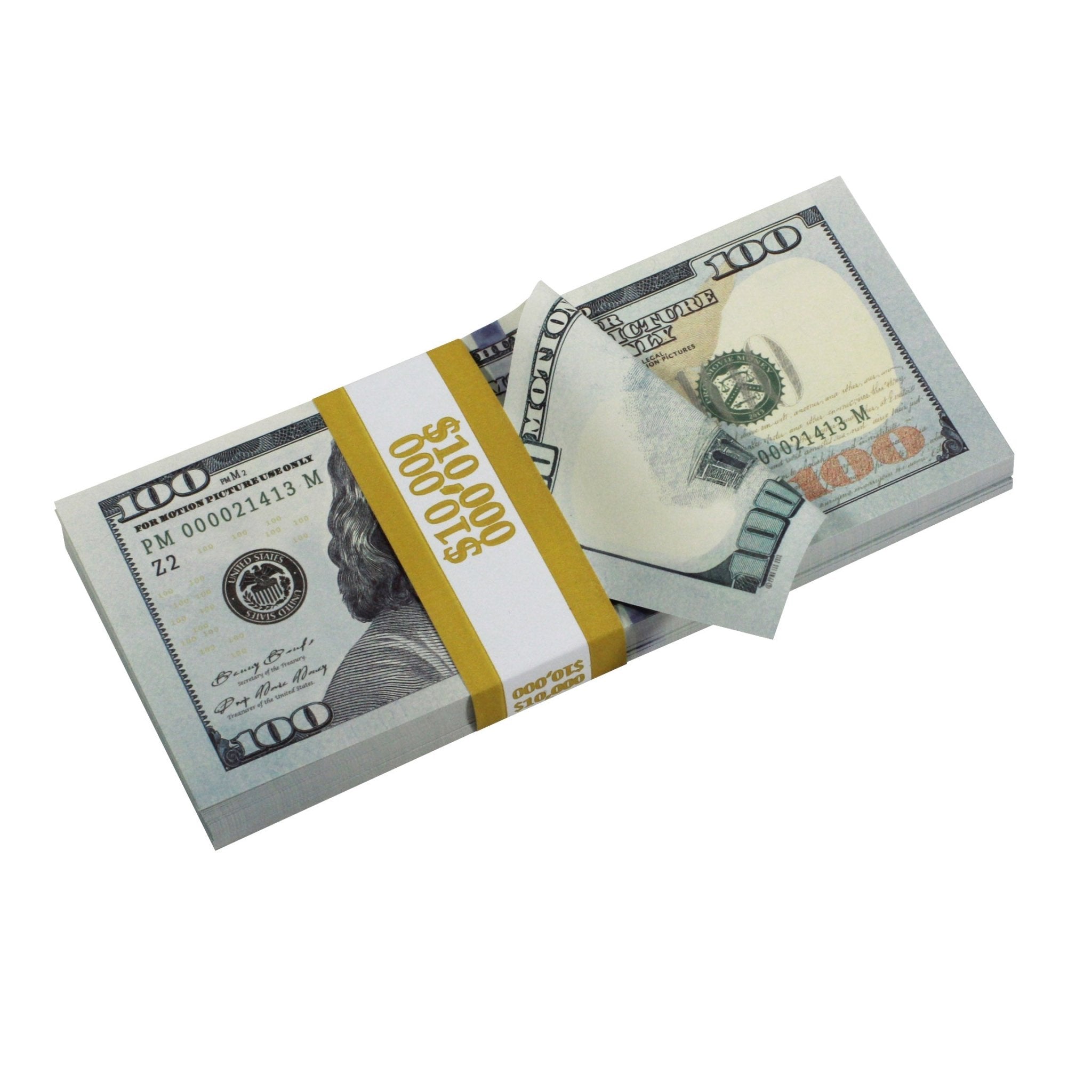
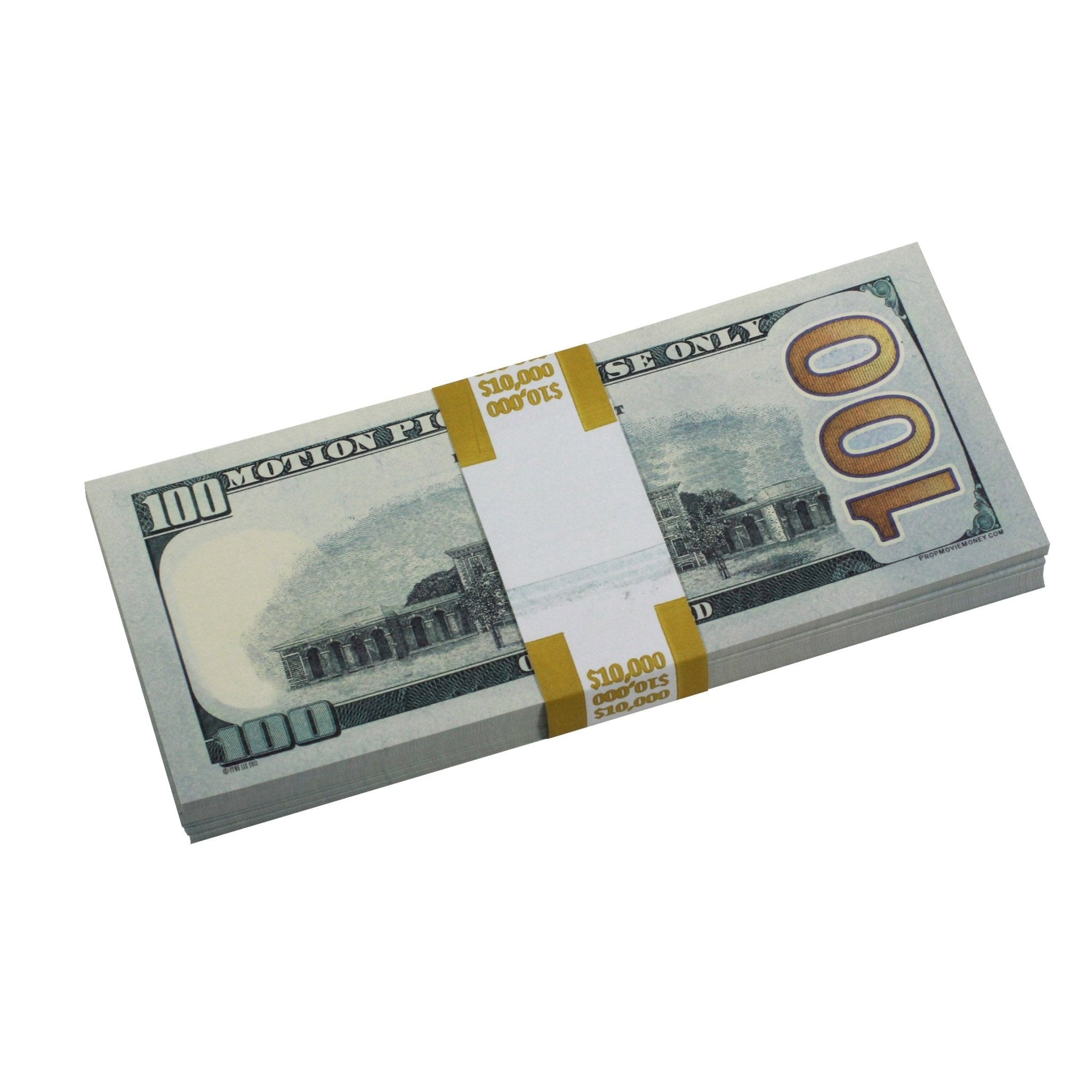
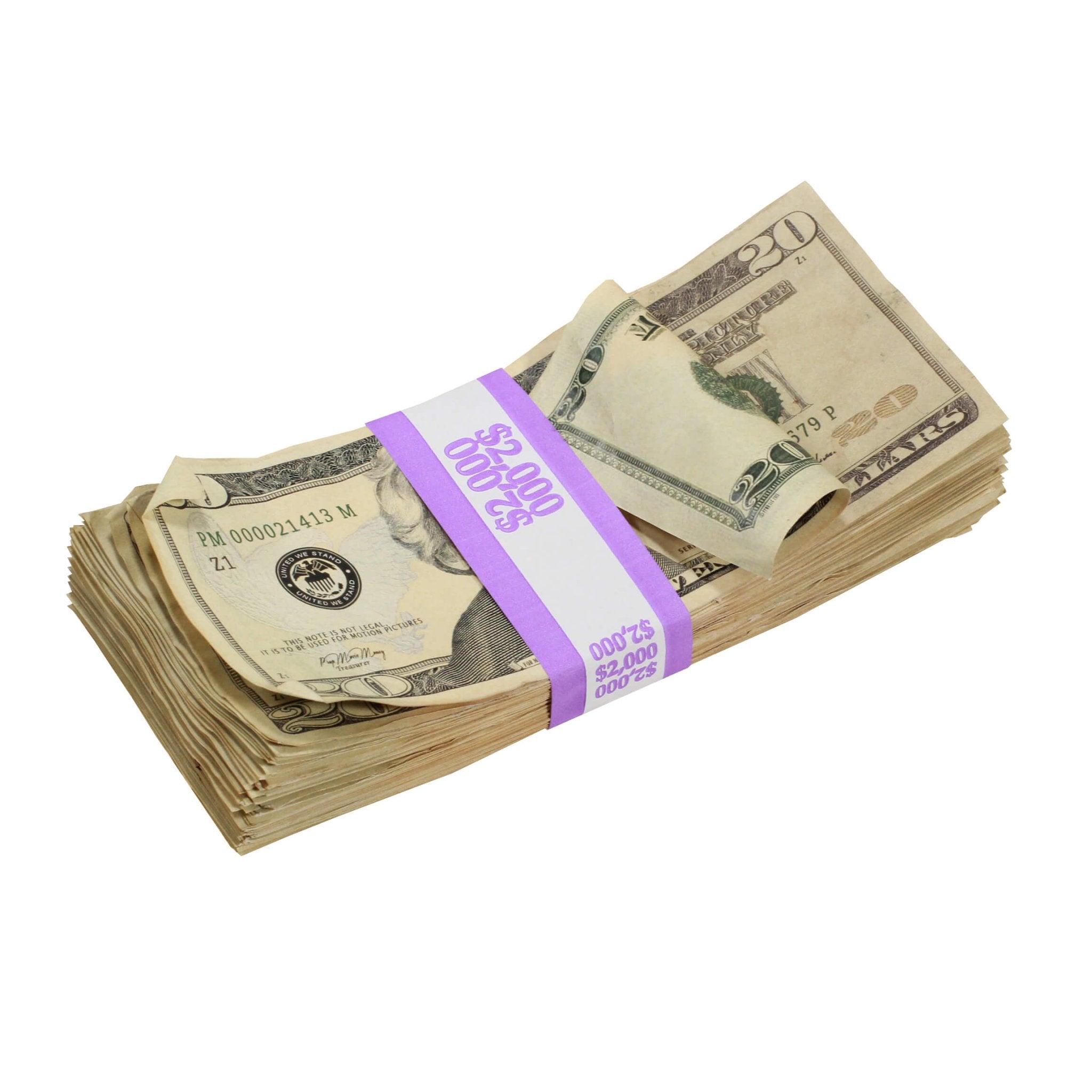
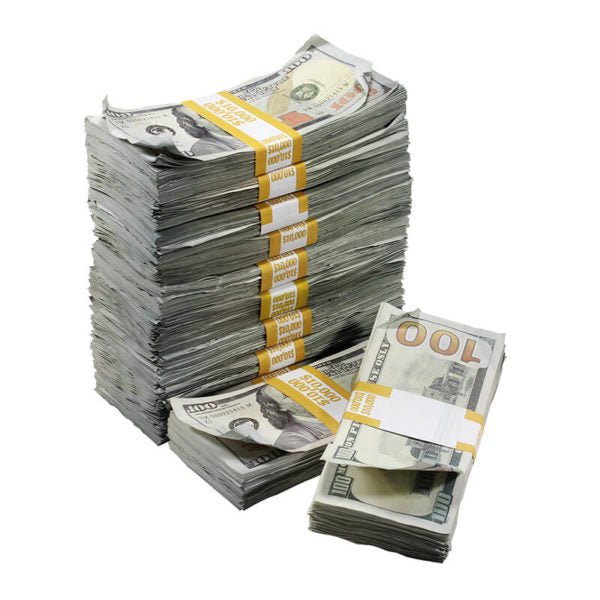
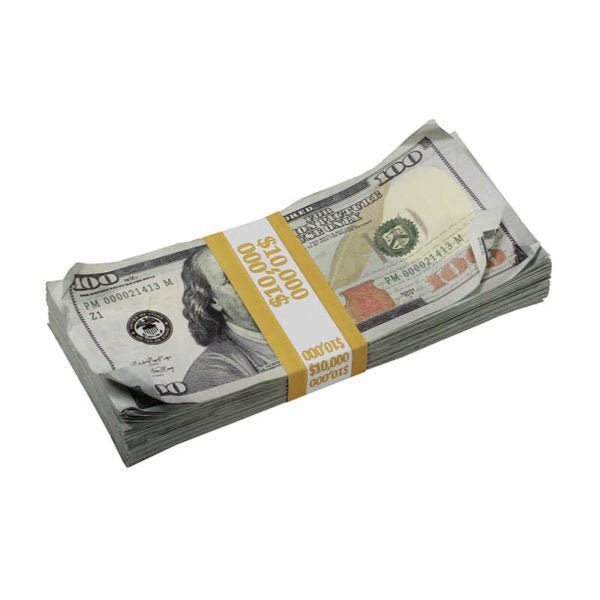
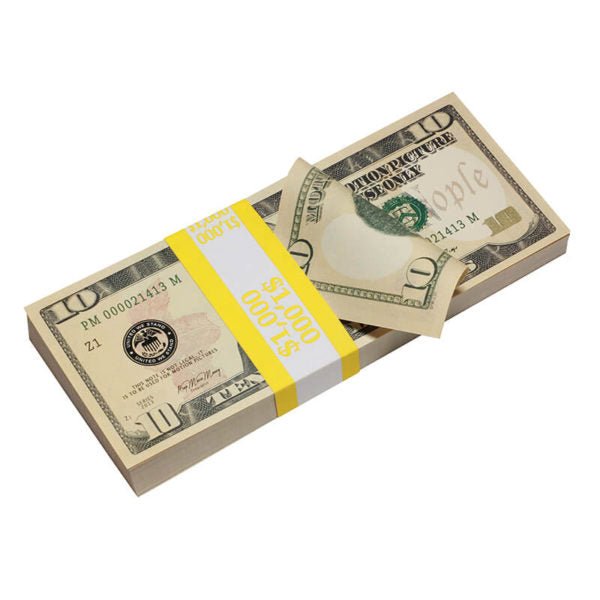
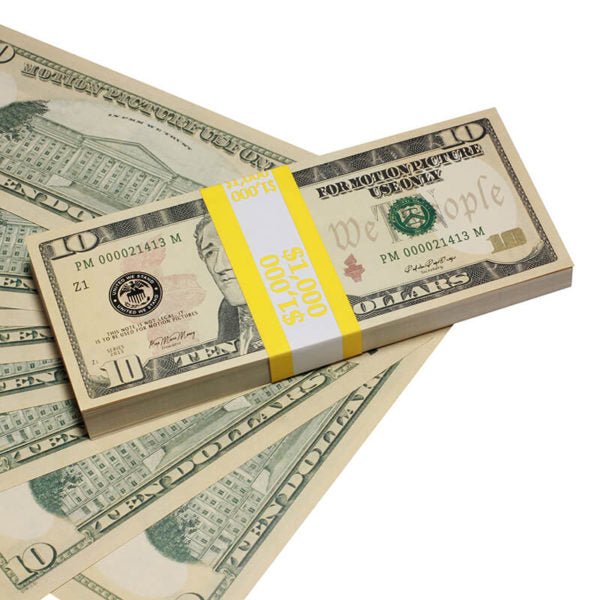
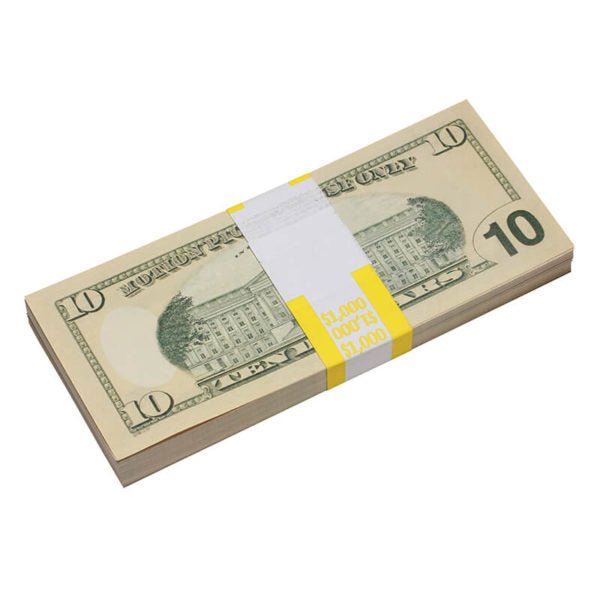
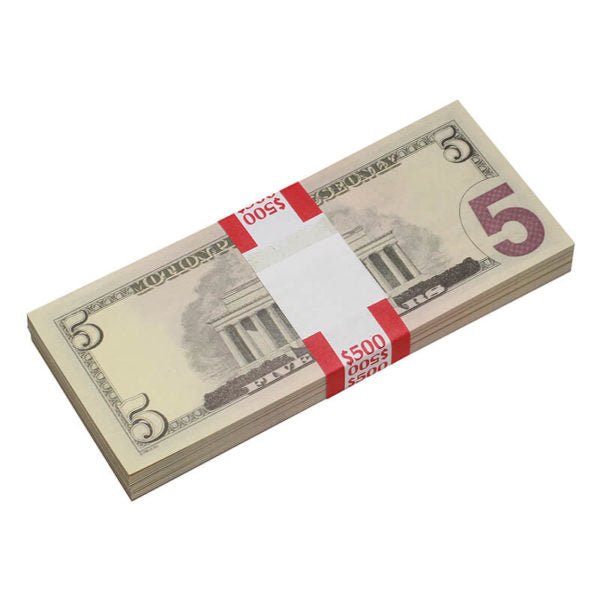
A fully printed bill on the top and bottom of the stack, with blank sheets in between. These are held together with a non-removable bank strap and are designed for shots where the stack appears as a whole — not fanned or opened. Blank filler stacks are significantly more budget-friendly and work great for depicting large sums of money on screen.
Crisp vs. Aged: Matching the Look to Your Scene
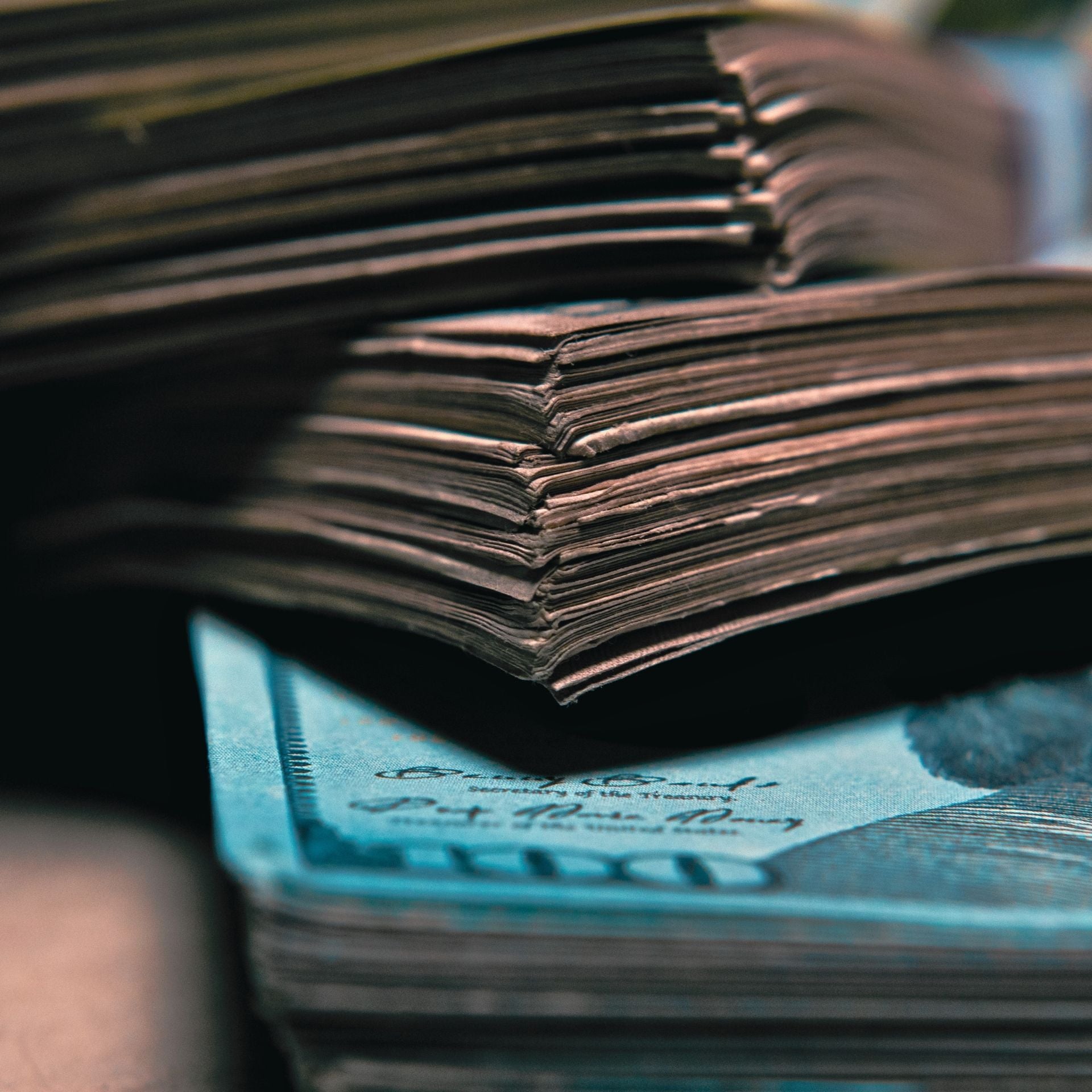
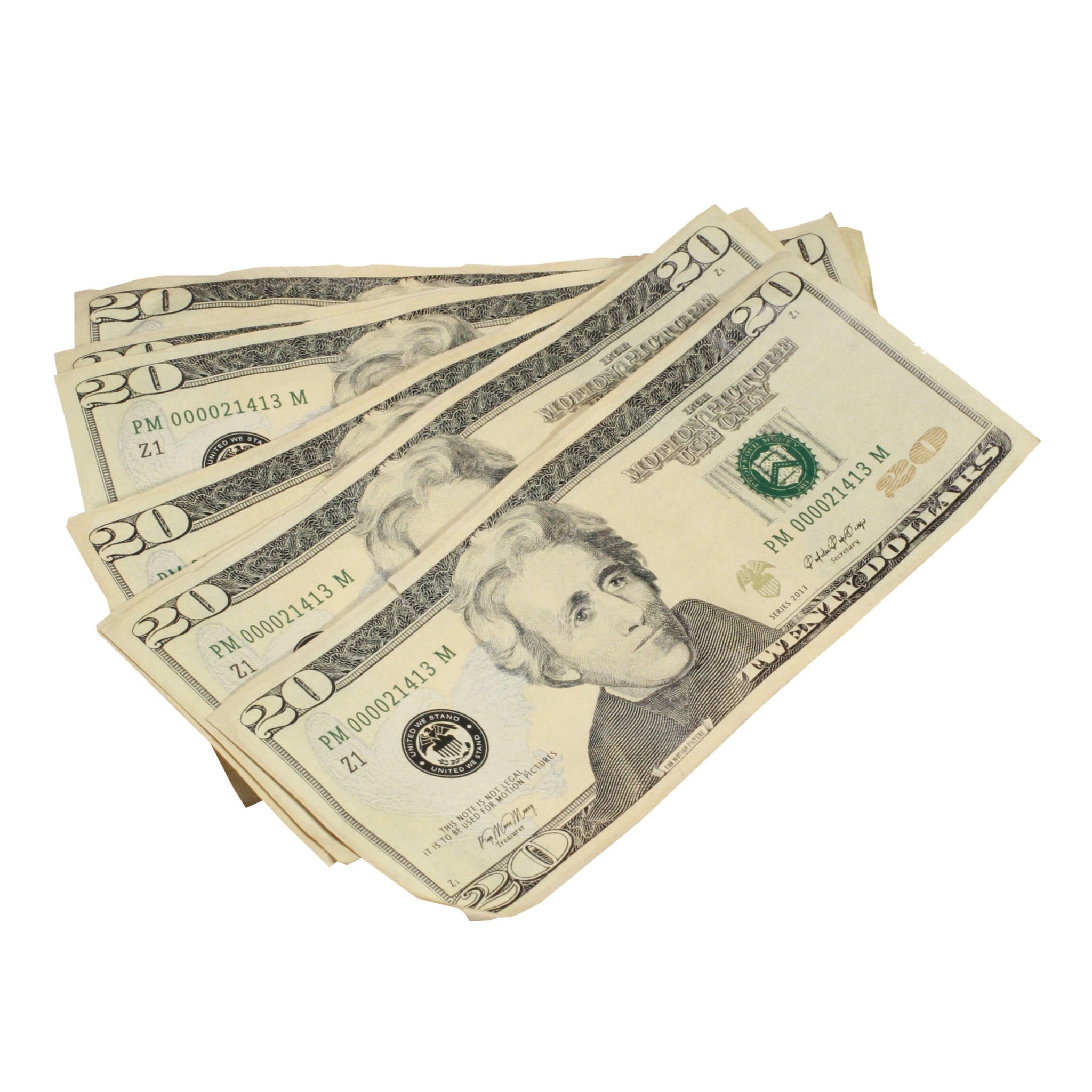
Beyond the print type, you'll also need to think about the condition of your prop cash. Crisp or clean prop money looks freshly minted — ideal for vault scenes, bank robberies, or any moment where the money has just been withdrawn or printed. Aged prop money, on the other hand, is treated to show signs of wear: creases, slight discoloration, and a well-handled feel. Aged bills often look more realistic on camera because real-world currency accumulates wear over time. For character-driven scenes involving street-level transactions or long-carried savings, aged prop money can elevate the believability of your production.
Choosing the Right Denomination
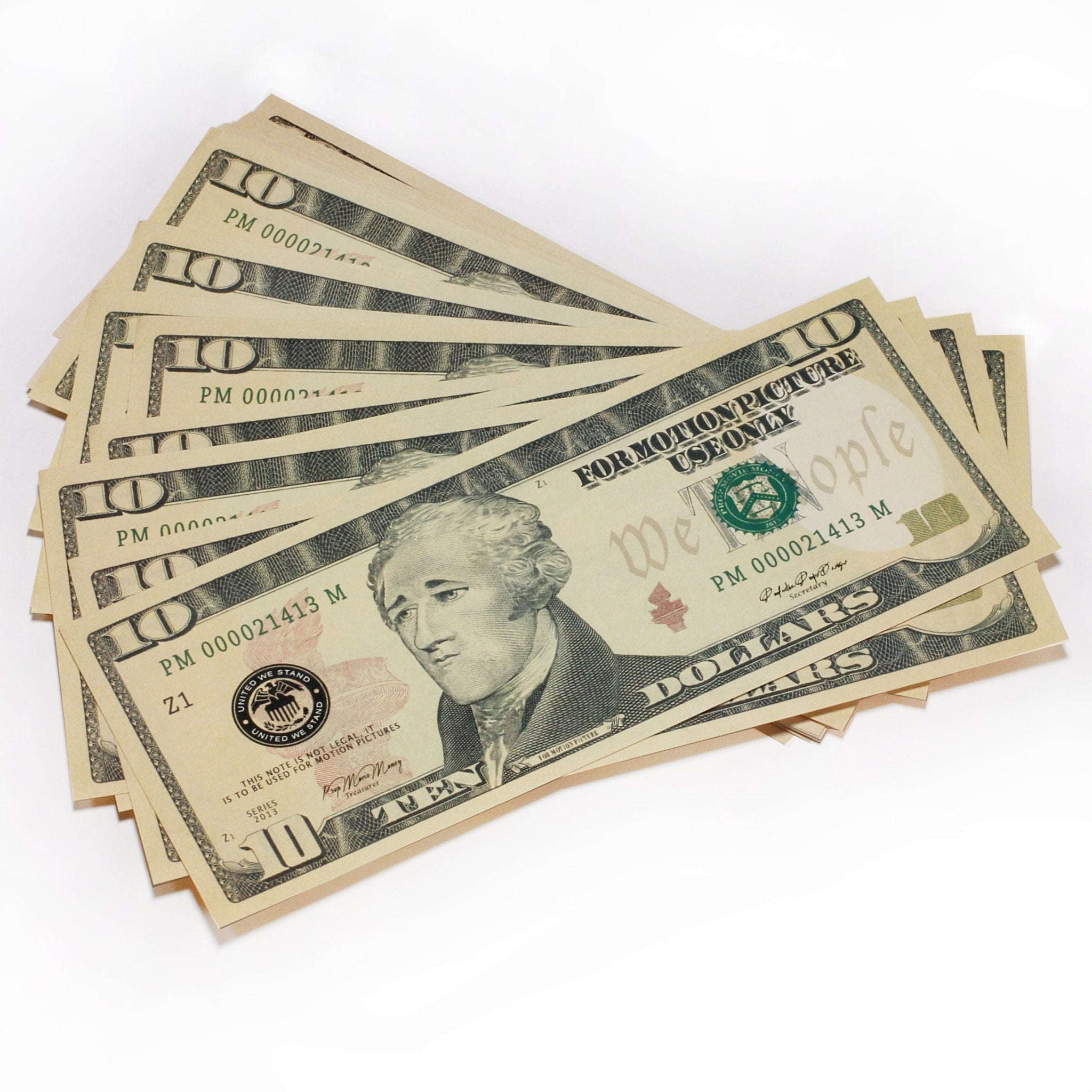
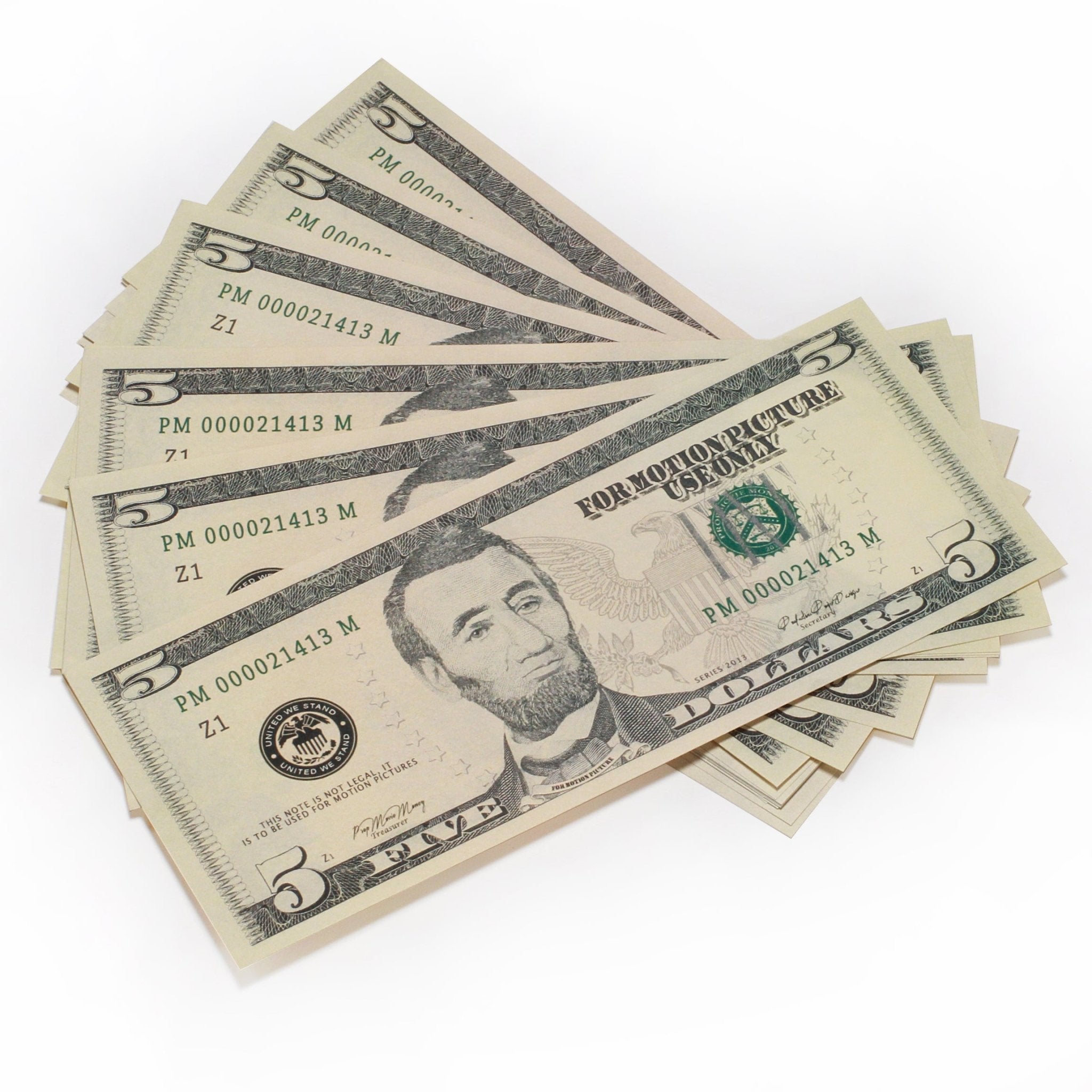
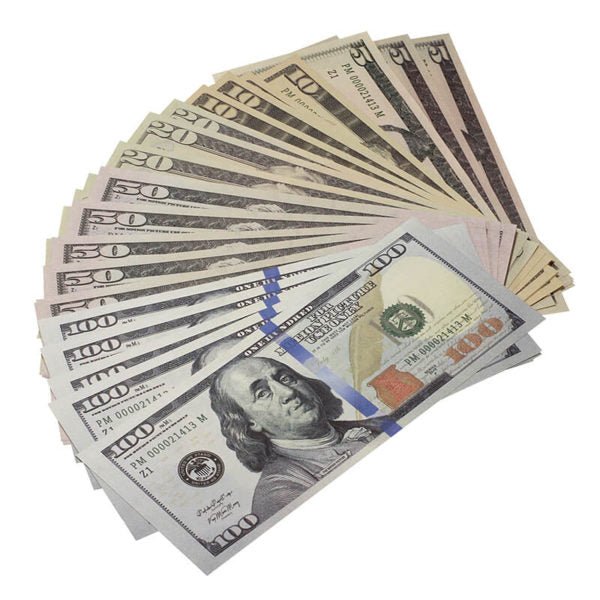
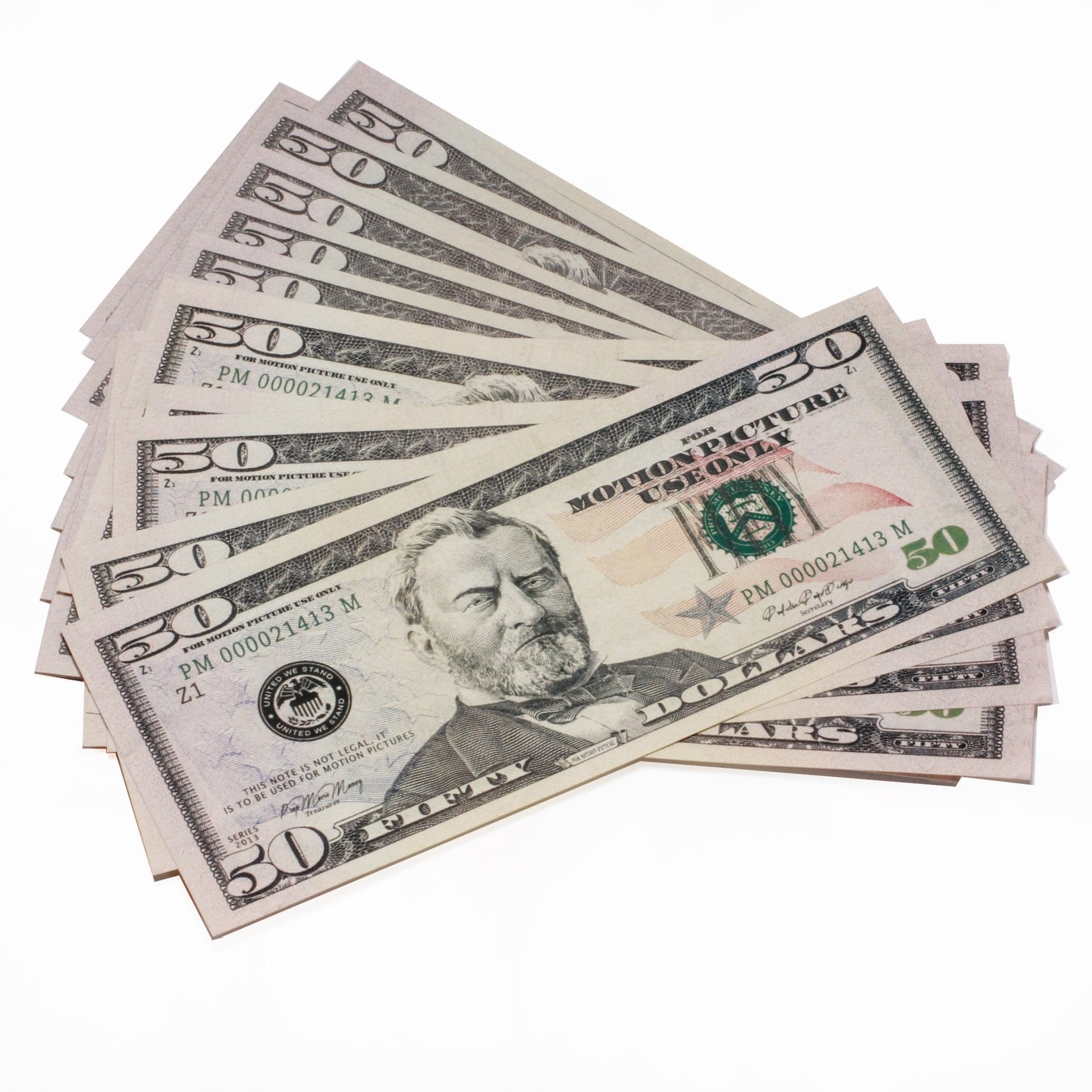
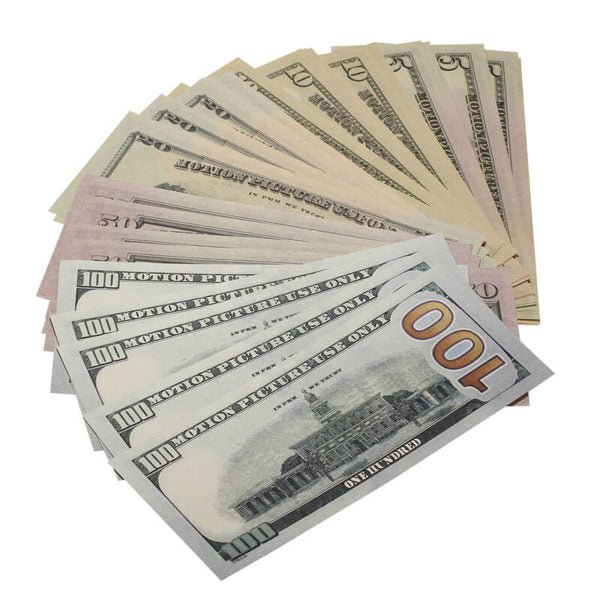
Prop money is available in all standard U.S. denominations — $1, $5, $10, $20, $50, and $100. Your choice should be driven by both your scene's narrative and your budget:
-
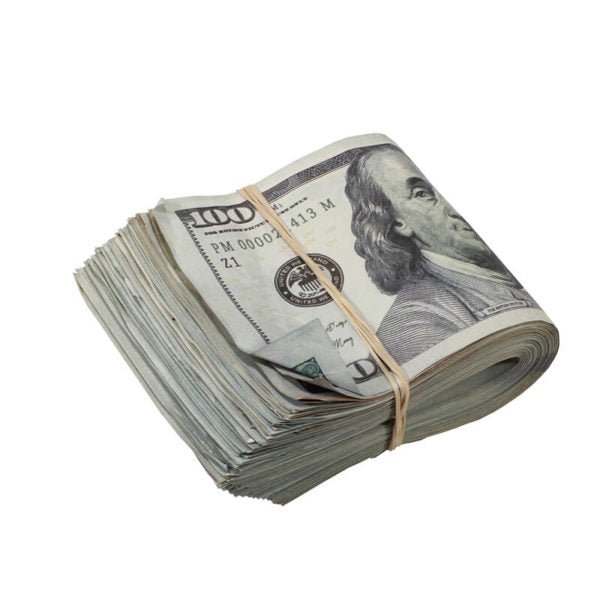
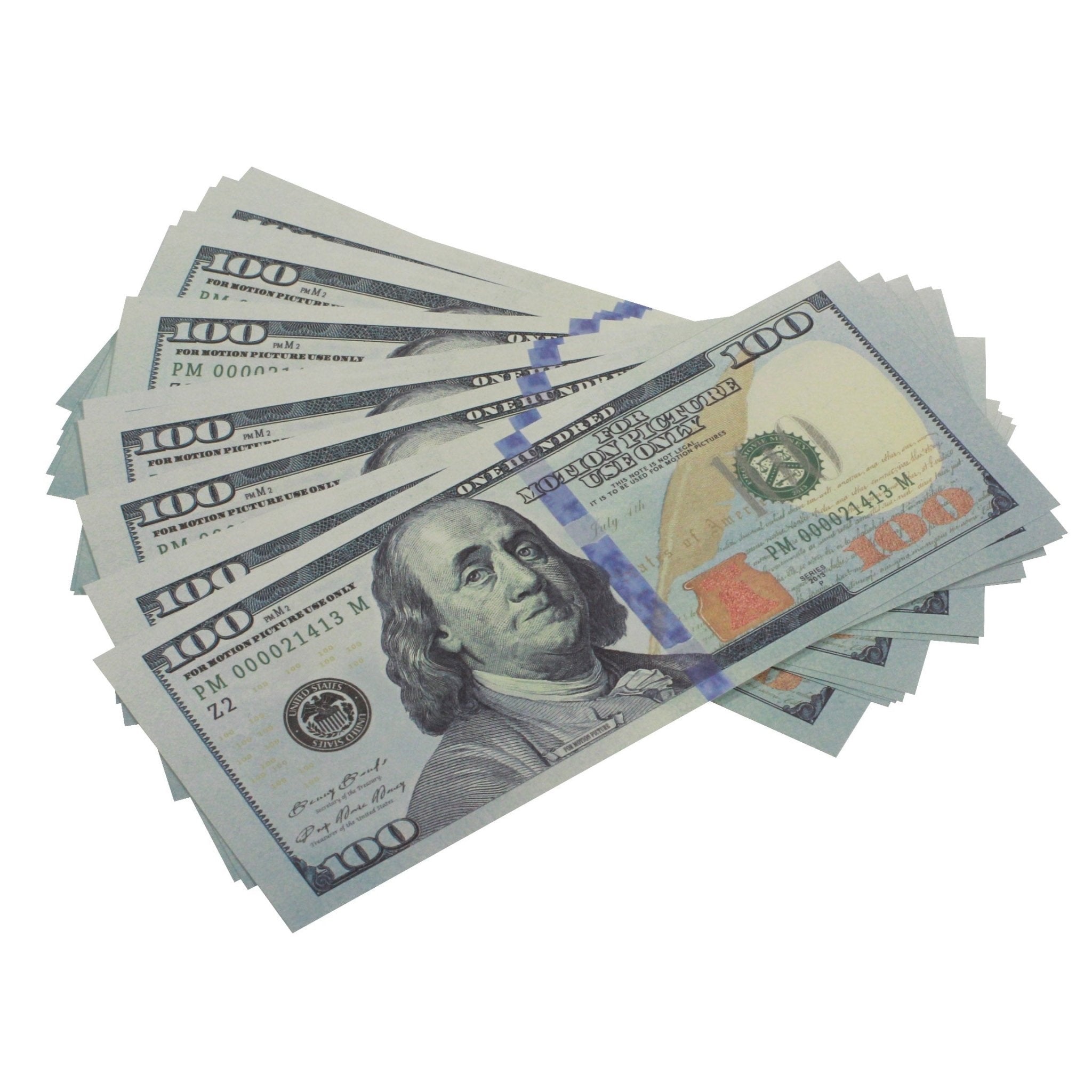
$100 bills are the most commonly used in film because they convey large sums visually with fewer bills.
-
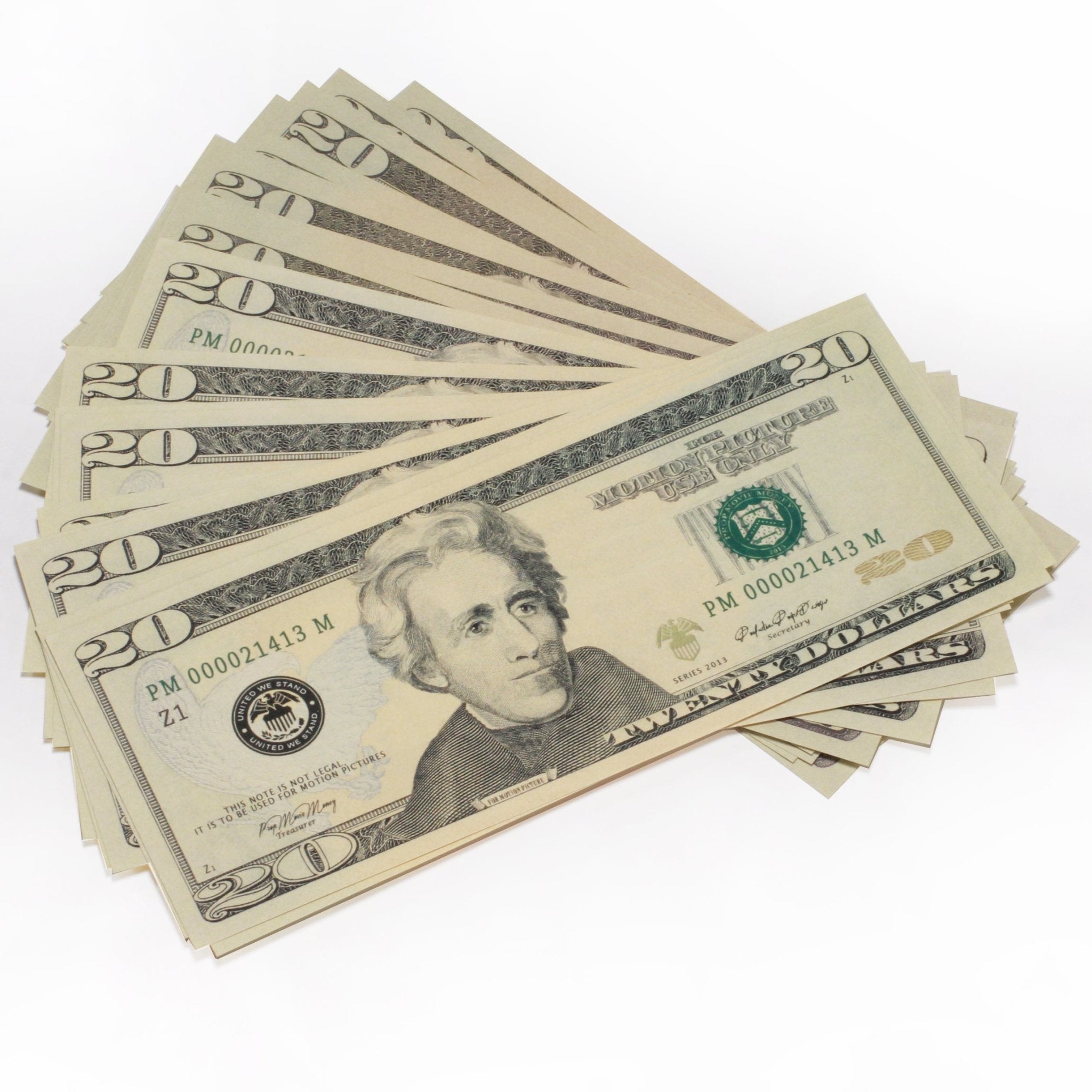
$20 bills read as more "everyday" cash — useful for transaction scenes or working-class narratives.
-
Mixed denominations can add authenticity to wallet or purse scenes.
-
Older series (1990, 2000) are available for period productions requiring era-accurate currency.
How Much Prop Money Do You Need?
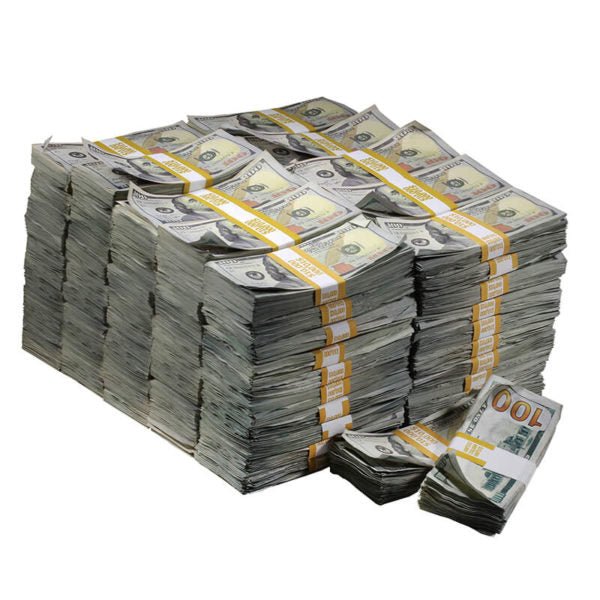
This is one of the most common questions — and the answer depends on your shoot. For a single close-up shot of someone holding a stack, one full-print stack of 100 bills may be more than enough. For a scene depicting millions (think a drug dealer's stash or a heist haul), you'll want to use blank filler stacks in bulk, which allow you to display an impressive volume of cash on screen at a fraction of the cost. Reputable suppliers offer packages ranging from small starter bundles to large-scale bulk orders, with options to customize based on denomination, series, and quantity.
Prop Money Beyond Film: Other Production Uses
Prop money isn't just for Hollywood features. Across the content creation landscape, fake money is used in:
-
Music videos — from hip-hop visuals to pop storytelling
-
YouTube and TikTok content — challenge videos, pranks, and skits
-
TV commercials and brand campaigns
-
Law enforcement training simulations
-
Marketing activations and event experiences
-
Educational settings for financial literacy programs
If your project involves money as a visual element — regardless of the medium — prop money is the right tool.
What to Look for When Buying Prop Money
Not all prop money suppliers are equal. Here's what to look for:
-
Legal compliance — Bills should include required markings and be manufactured in the U.S. in accordance with federal guidelines.
-
Camera realism — Look for suppliers whose products have actually been used in professional productions.
-
Industry trust — Experienced suppliers will have a track record with prop masters, studios, and content creators.
-
Variety — You should be able to order across denominations, series, and styles (crisp, aged, full print, filler).
-
Custom options — For branded productions or events, the ability to create custom-designed bills is a major plus.
Final Cut: Set Your Production Up for Success
Prop money might seem like a minor production detail — but the wrong choice can mean reshoots, legal headaches, or a scene that just doesn't look right. The good news is that sourcing high-quality, legally compliant prop cash has never been easier. With the right supplier, you get bills that photograph beautifully, hold up under close scrutiny, and give your production the authenticity it deserves.
At Prop Movie Money, we've spent over a decade supplying prop money to filmmakers, musicians, content creators, and major studio productions. From single stacks to bulk orders, from crisp new-series bills to worn aged currency, we have everything you need to make your next scene unforgettable — legally and affordably.
Ready to bring your vision to life? Browse our full collection at propmoviemoney.com.